

Designing Cohesive Framing for Multi-Piece Collections
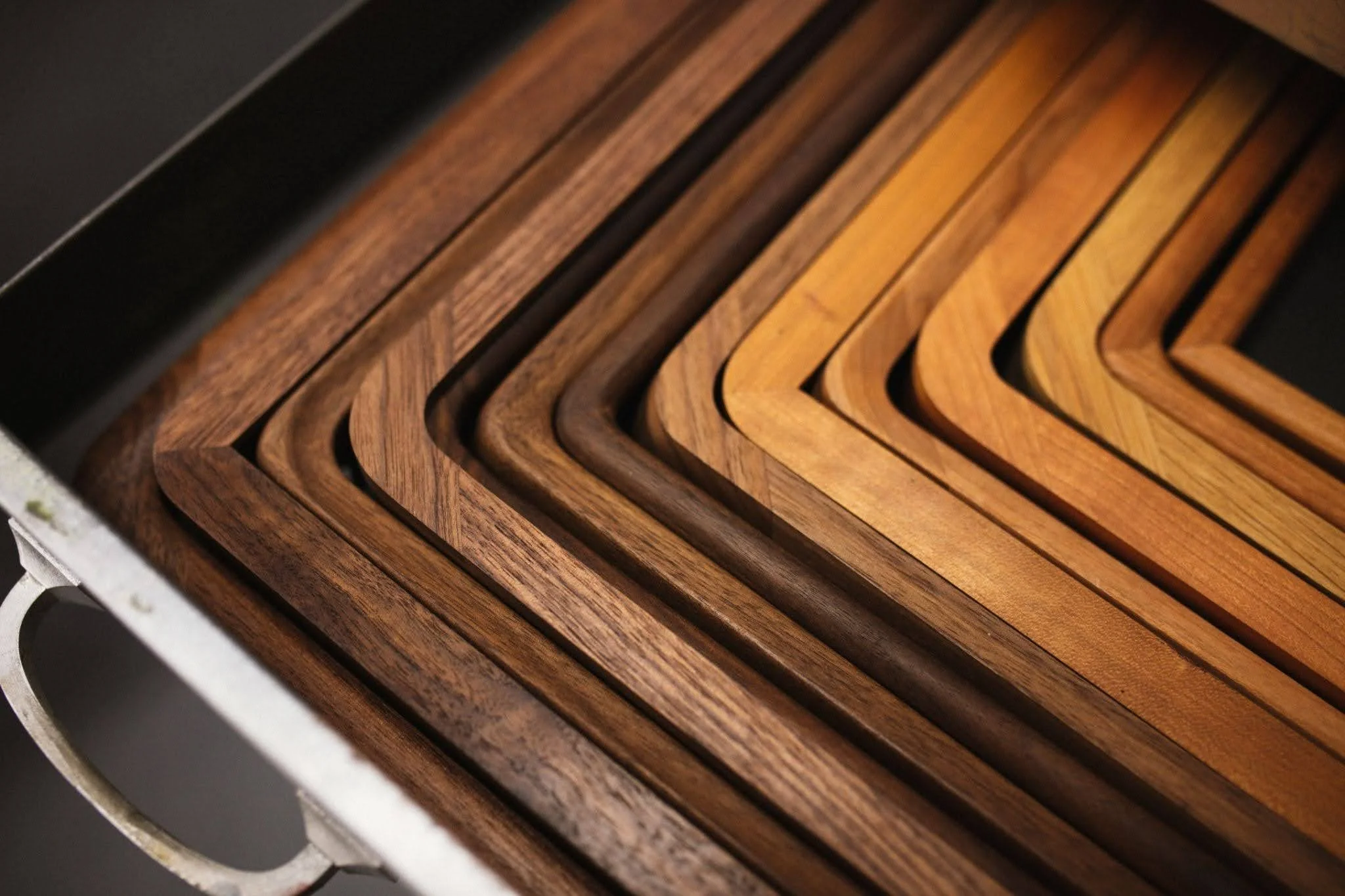
Designing cohesive framing for multi-piece collections requires a shared visual and technical specification. For collectors, galleries, and designers seeking custom framing services in NYC, the frame profiles, finishes, matting, glazing, mounting, and backing should relate across the group
How Non-Conservation Framing Materials Can Damage Artwork Over Time
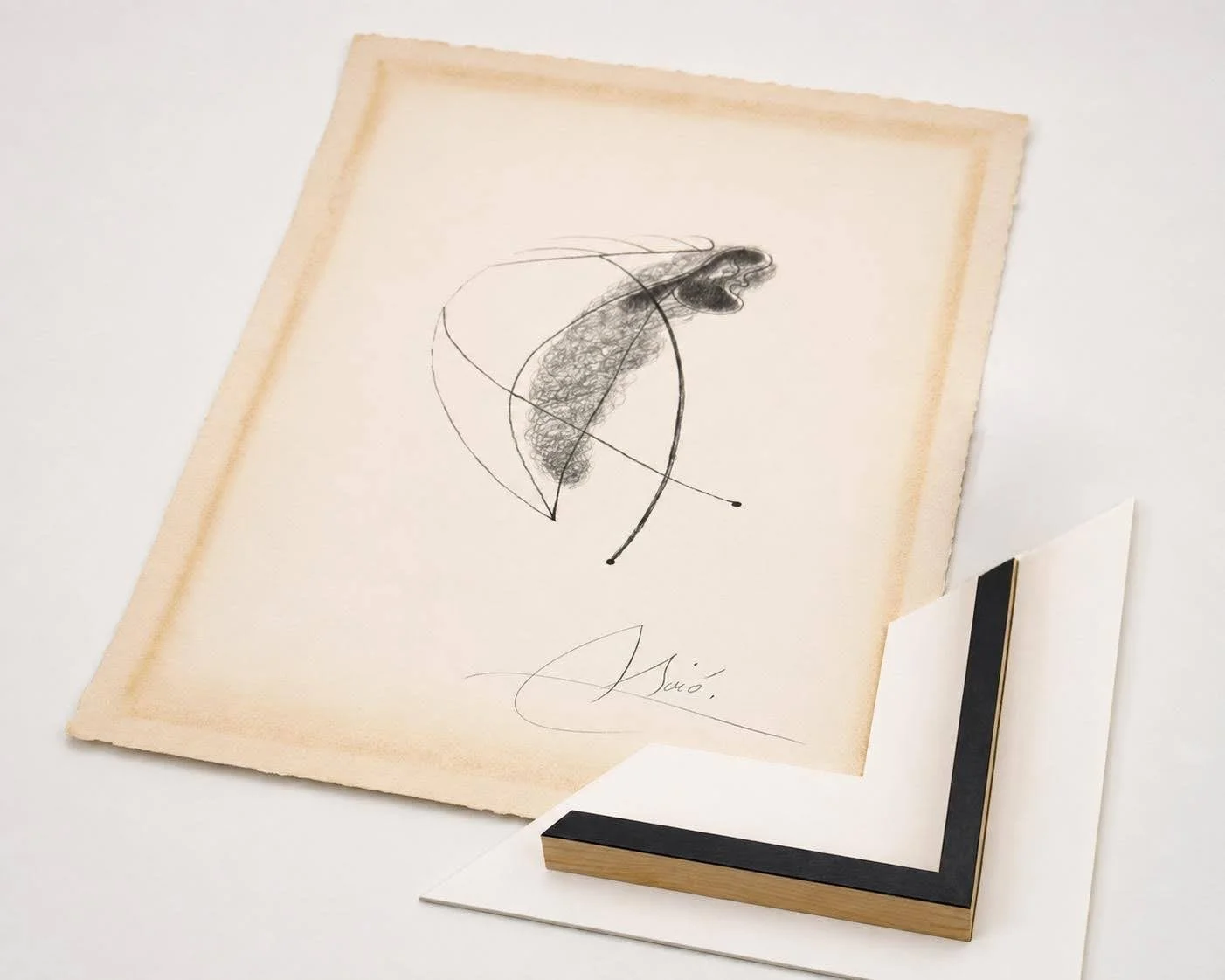
Most of the materials that determine how well a frame protects artwork are hidden behind the moulding. Matboard, mounting hinges, backing, spacers, and glazing all affect the work’s long-term condition, so the quality of a framing package cannot be judged by appearance alone.
When Is Museum Glass Worth the Additional Cost?
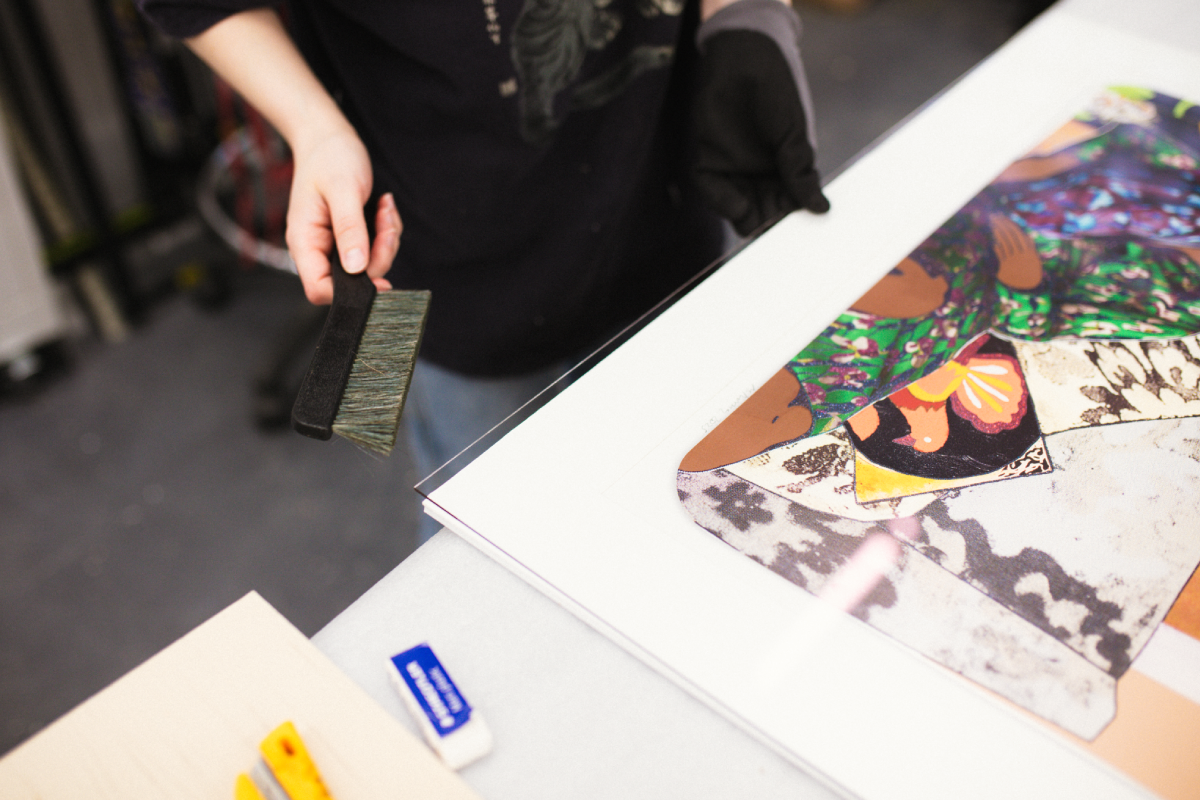
Museum Glass is worth the investment because it reduces ultraviolet exposure, improves visual clarity, and controls reflections, helping protect and present valuable artwork when it is used as part of a complete conservation frame. For custom framing projects in New York City, the decision should start with the artwork, not the glazing price, because glazing affects both preservation and presentation.
Framing Art for Humid NYC Environments
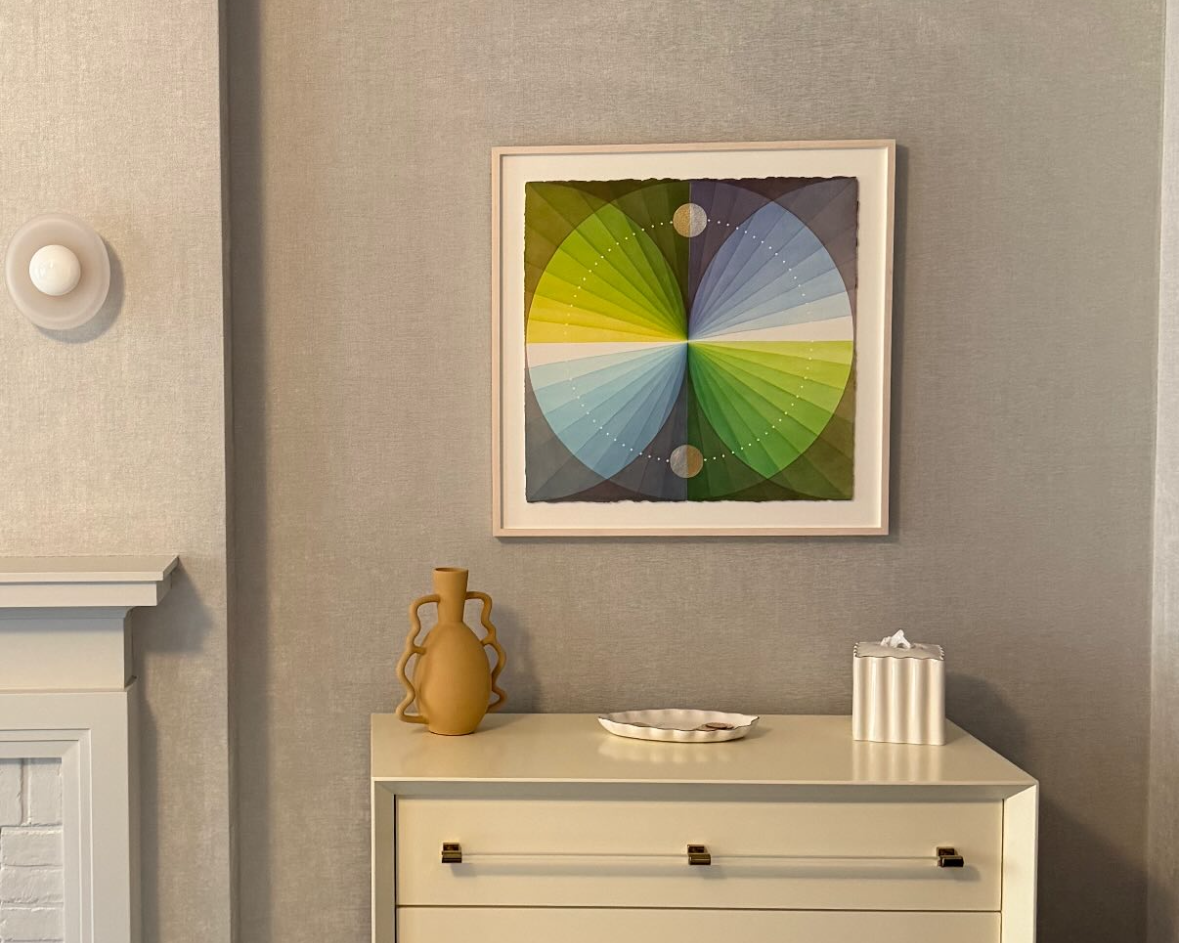
Framing art for humid NYC environments requires a complete conservation frame package. For collectors considering custom framing in NYC, the mount, matboard, backing, spacers, glazing, and frame construction must work together around the artwork.
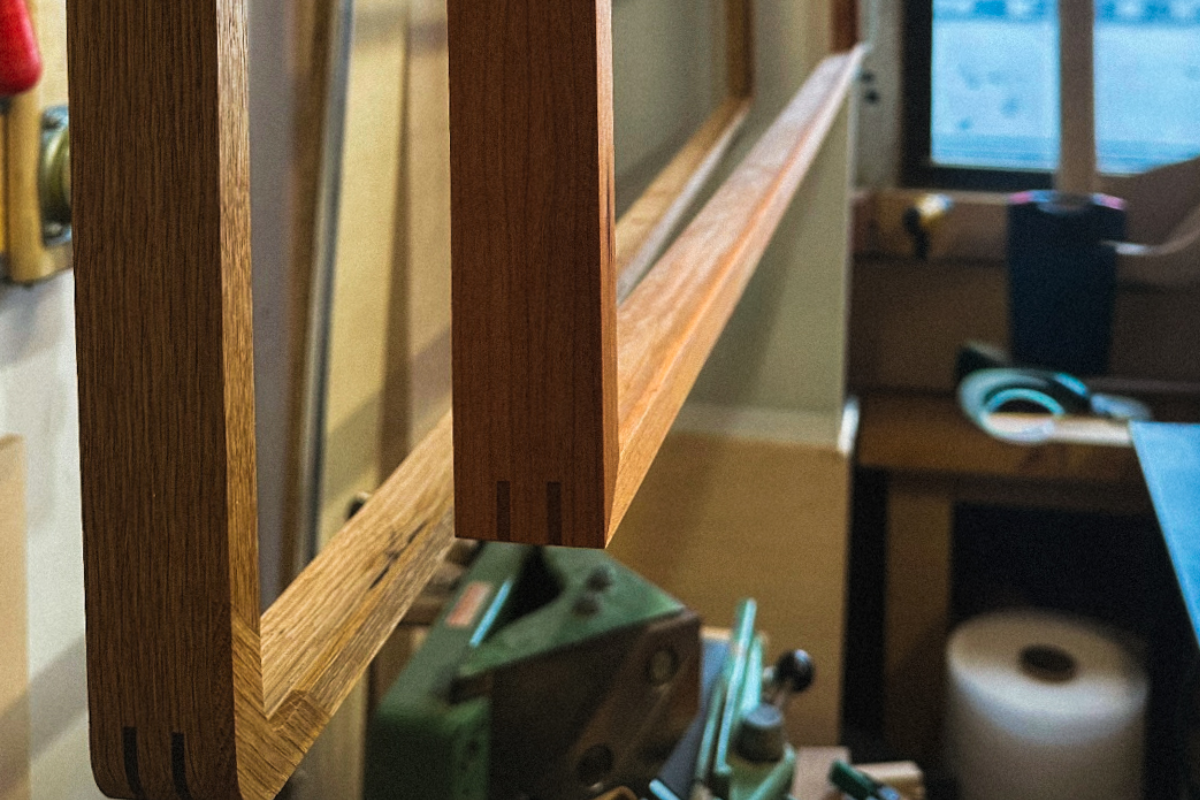
How Lighting Affects Framed Artwork Over Time
Lighting affects framed artwork over time by triggering photochemical deterioration: light energy breaks down pigments, paper, fabric, and other substrates, causing irreversible fading, discoloration, embrittlement, and heat-related stress that ultraviolet radiation can accelerate.
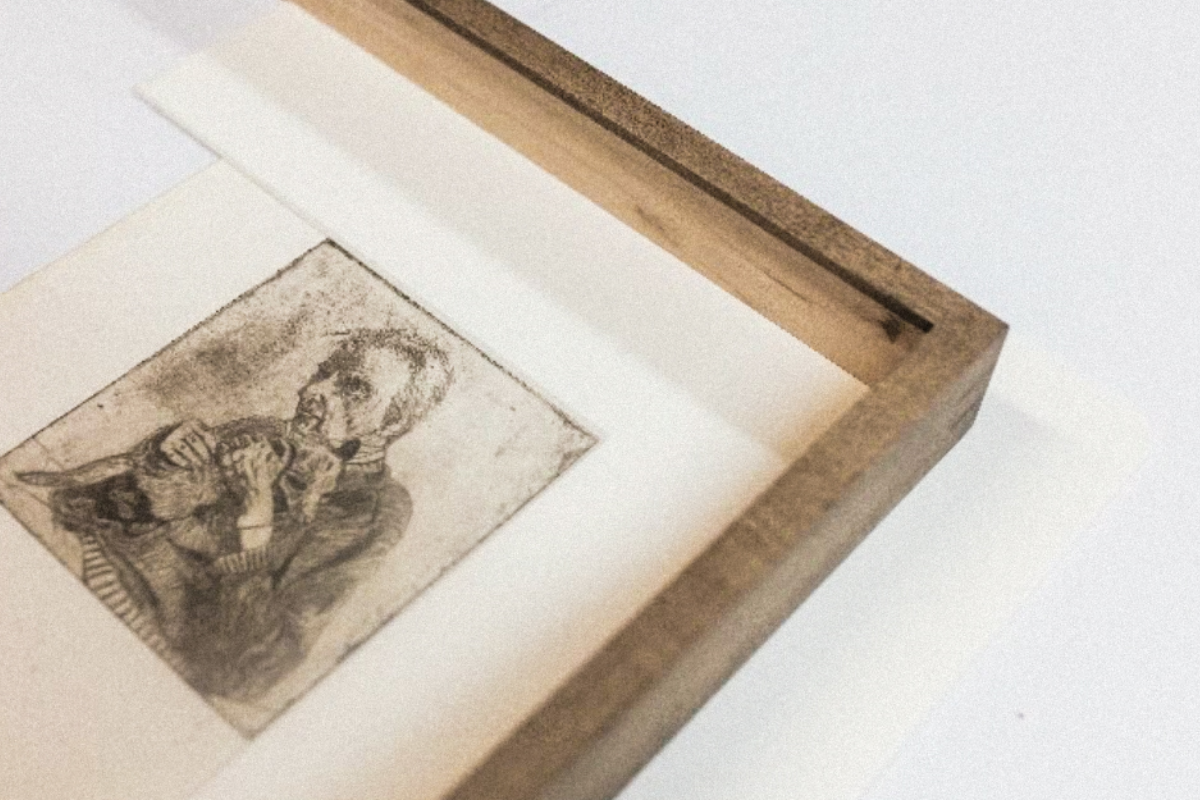
Framing Contemporary Art Without Overpowering It
Framing contemporary art without overpowering it starts with slim, minimalist frame profiles, flat faces, and subtle natural wood finishes that create a quiet structural boundary while keeping the viewer’s attention on the work itself.
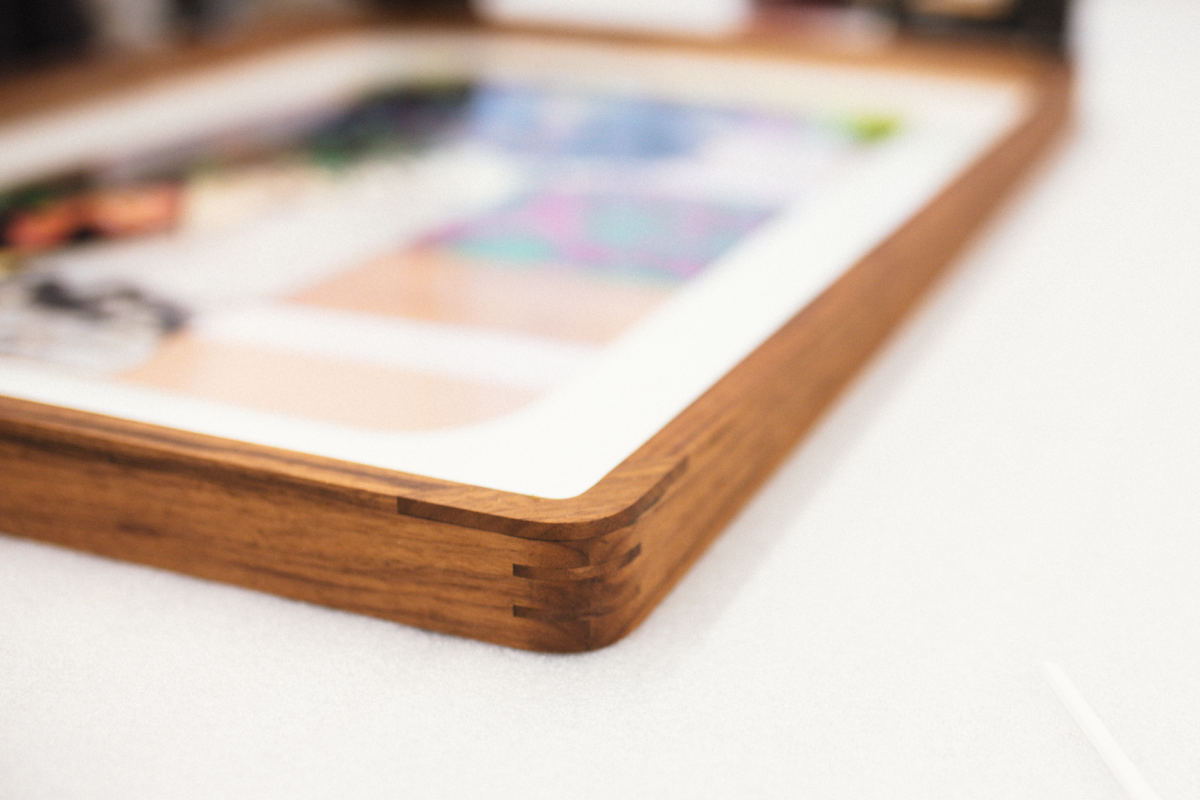
Float Mounting Explained: When and Why It Works
Float mounting places artwork on a hidden raised support inside the frame so it appears to float above the backing, leaving the full sheet, deckled edges, and surface texture visible.
For artists, photographers, collectors, gallery owners, and anyone in NYC or the surrounding area framing valuable or sentimental work.
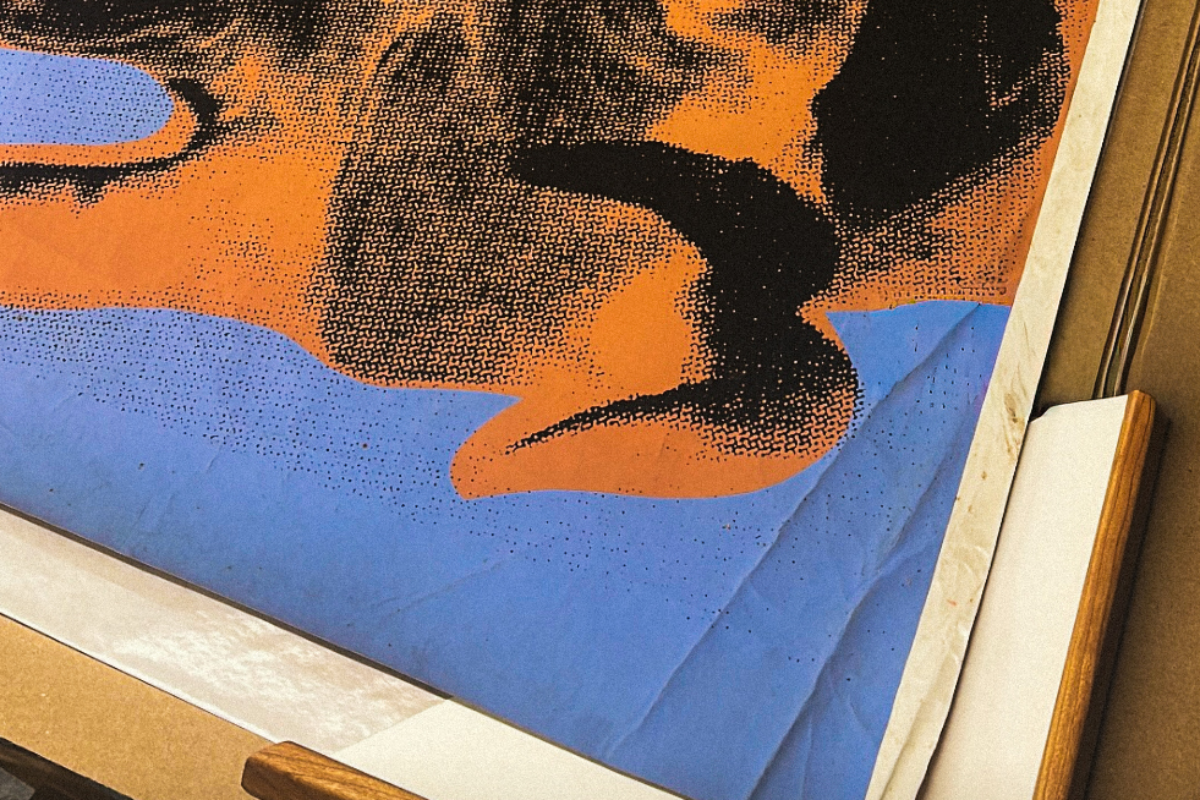
Understanding Acid Migration in Framed Artwork
When collectors, galleries, and art advisors display valuable prints or original drawings, they focus heavily on lighting, placement, and visual balance. However, a hidden chemical threat often develops quietly behind the glass of standard frames.

How Frame Profiles Influence the Perception of Artwork
Most people focus entirely on the artwork itself, completely underestimating the profound influence of the surrounding border. When entering a gallery, a private collection, or a luxury residence, the eye is naturally drawn to the colors, textures, and subject matter of a canvas or print.
Large-Scale Gallery Framing: Challenges & Solutions
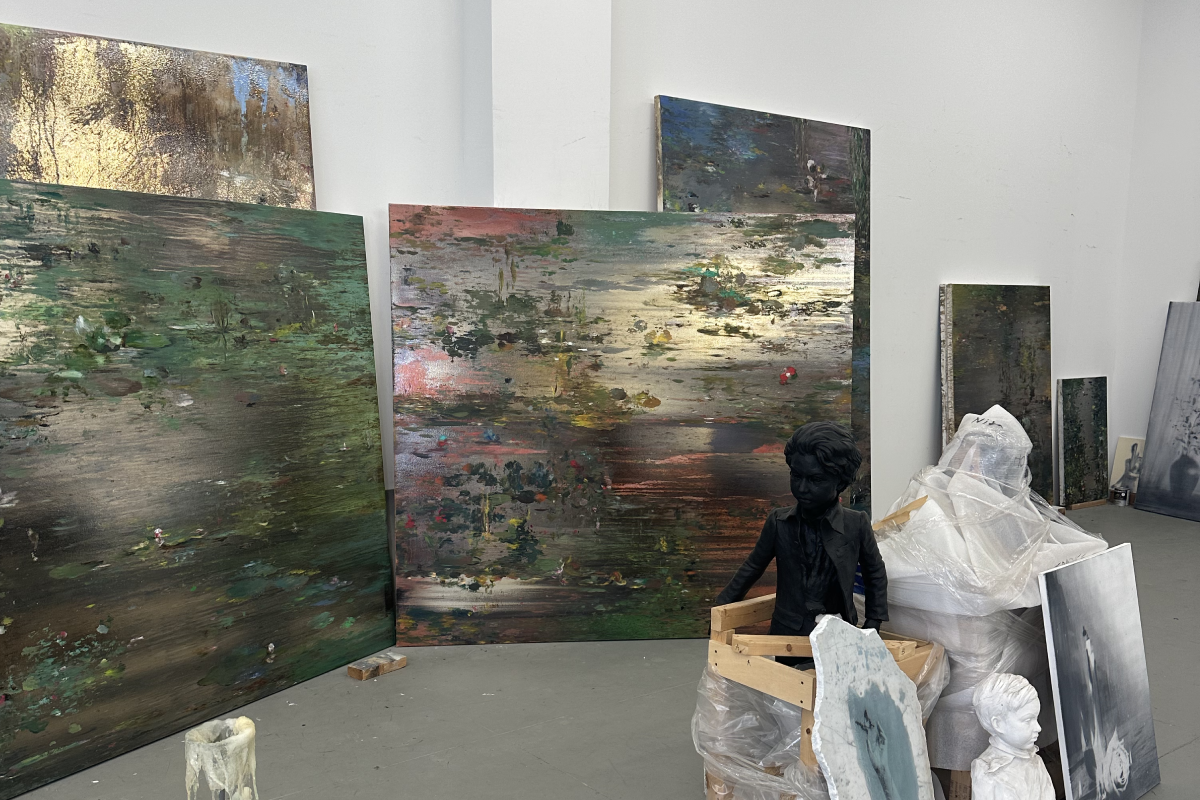
Nir Hod is a New York-based contemporary artist whose luminous, large-scale paintings hang in major private collections and institutional galleries worldwide. His work, intricately layered with metallic surfaces, silver leaf, and heavy oil paint, demands custom framing NYC solutions that provide absolute structural stability without pulling focus from the art.
Installing Framed Art
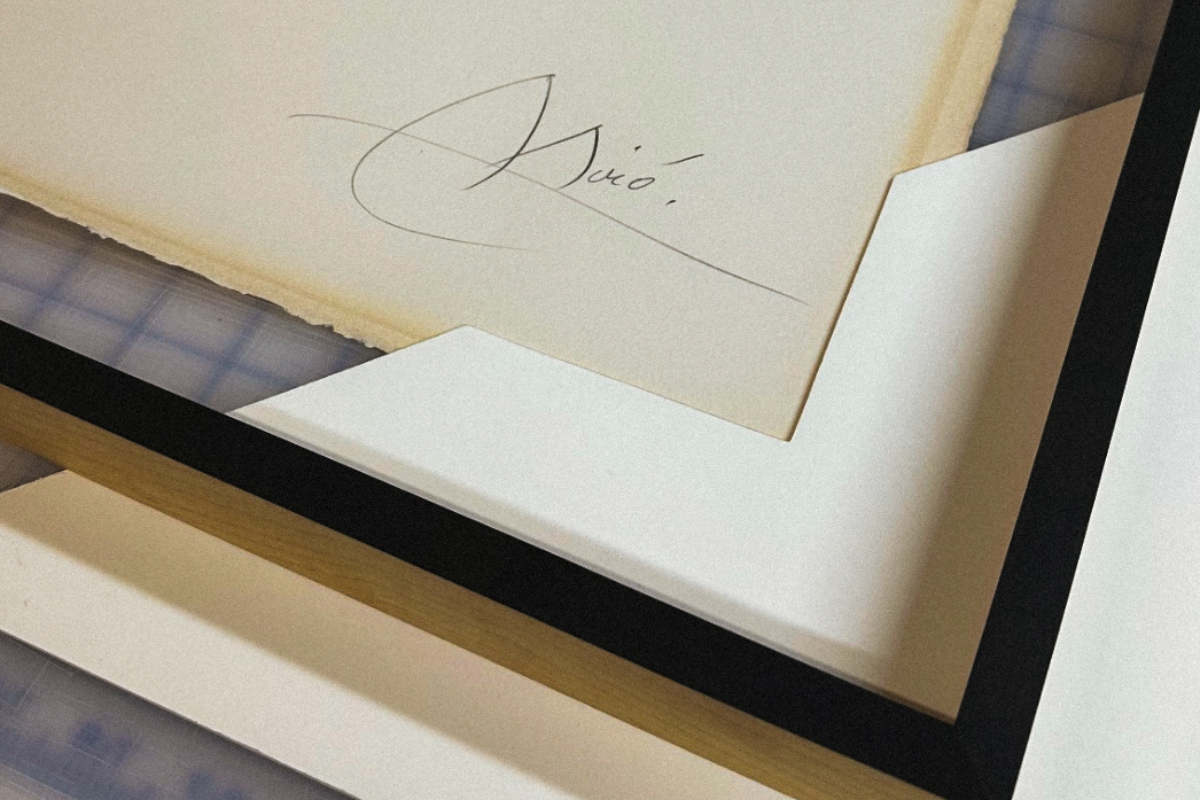
When managing the lifecycle of an asset, the process does not end when the construction of the frame is complete. Installing framed art requires the same level of technical precision and material intelligence that goes into the conservation custom framing itself.
Archive-Safe Hinging & Reversible Techniques
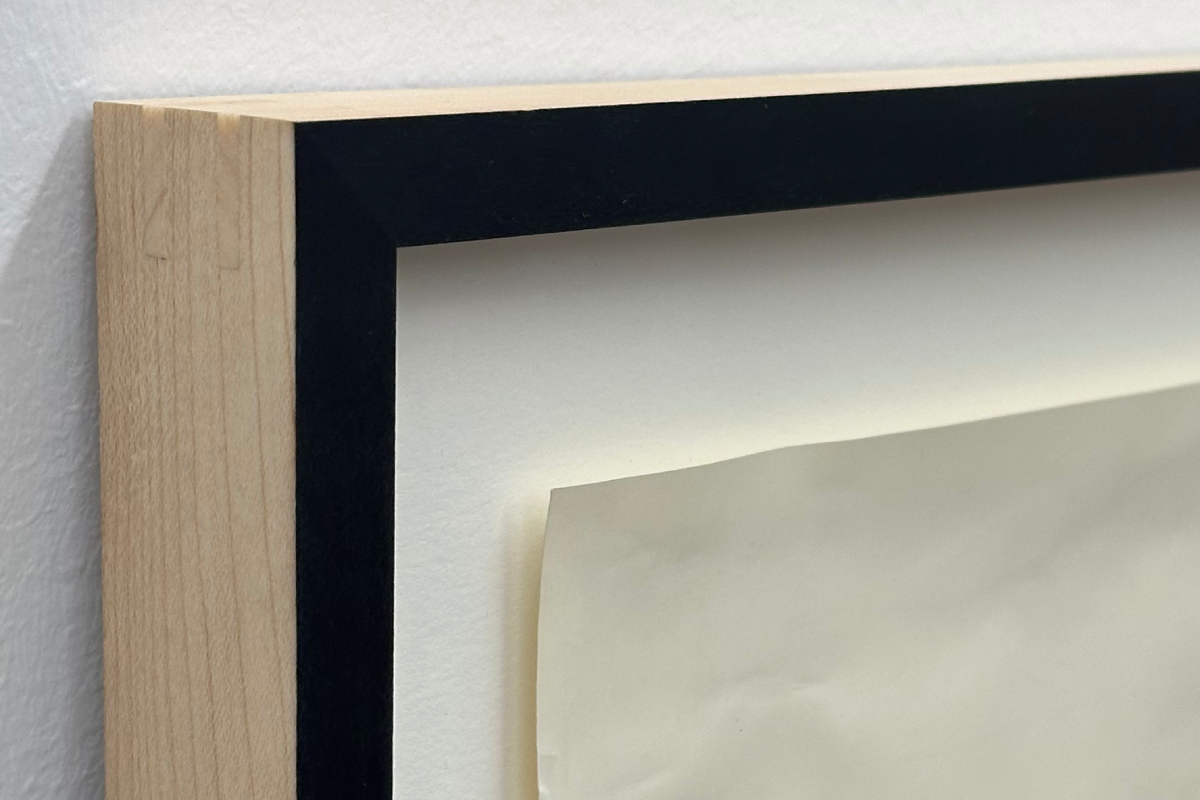
When we handle high-value assets, the primary goal of our conservation custom framing is long-term preservation and asset protection. We recognize that for private collectors, institutions, and art advisors, art is both a passion and a financial asset that must be shielded from the environment.
Frame Trends: Contemporary Vs Classic Design
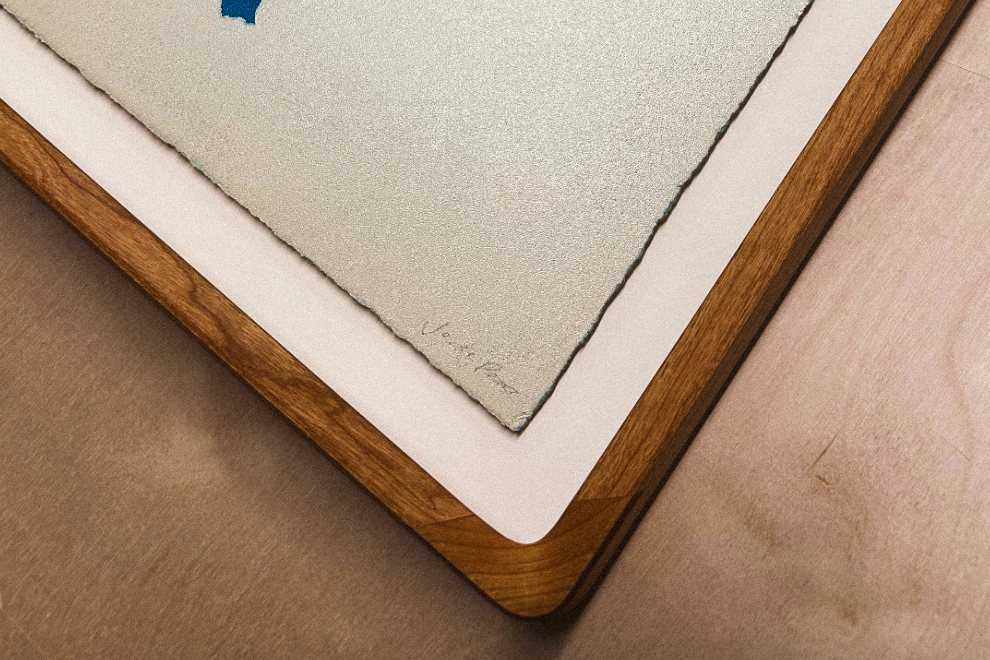
There’s a weird sense of tension that crops up when you hold up a piece of art against a bare wall, and the border you choose fundamentally changes its vibe.
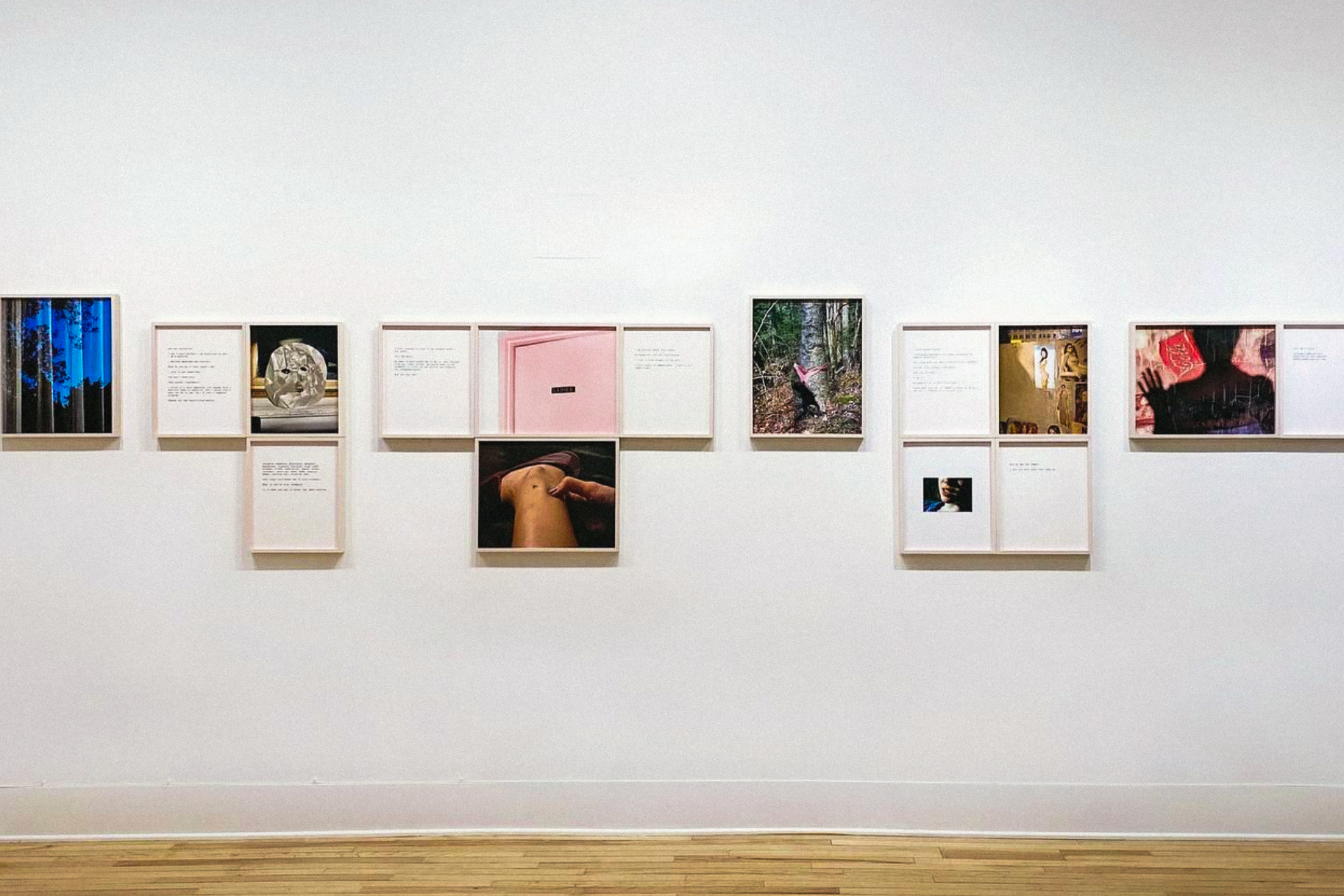
Creative Framing for Original Work
There’s a certain kind of adrenaline rush that comes with buying an original piece of art. It might be a raw charcoal sketch, an oil on canvas with some seriously textured layers, or a delicate collage made with mixed media.

How We Partner with Art Advisors for Client Framing Projects
There’s a moment when an art advisor’s vision meets the reality of our workshop, and that’s where the magic happens.
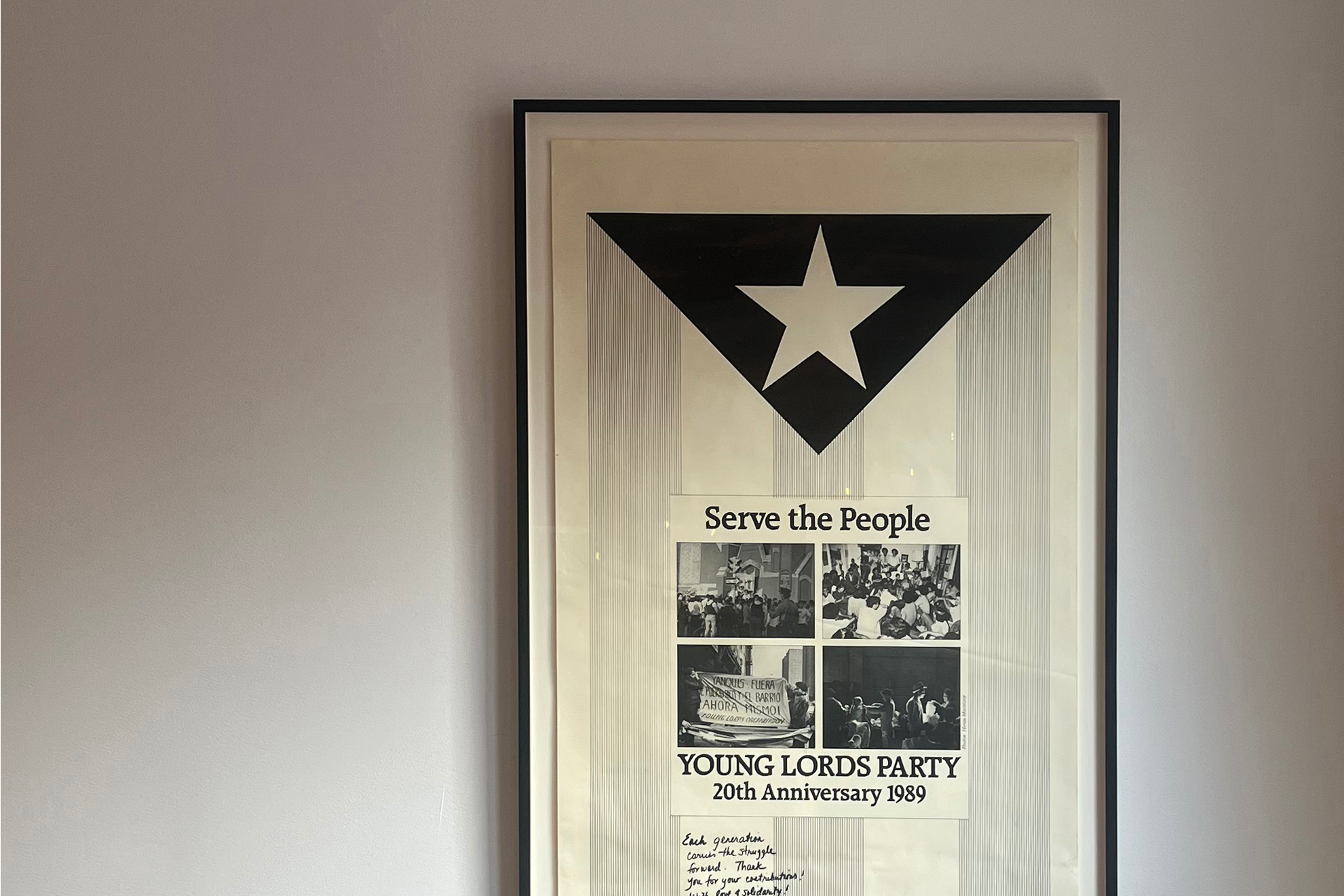
Framing Prints vs. Originals: Does It Actually Matter?
You’ve finally tracked down that perfect piece, lugged it home, and propped it against the wall, imagining all the perfect spots it could display. Whether it’s a unique oil painting or a vibrant digital print, the excitement is the same, but the road ahead is entirely different.
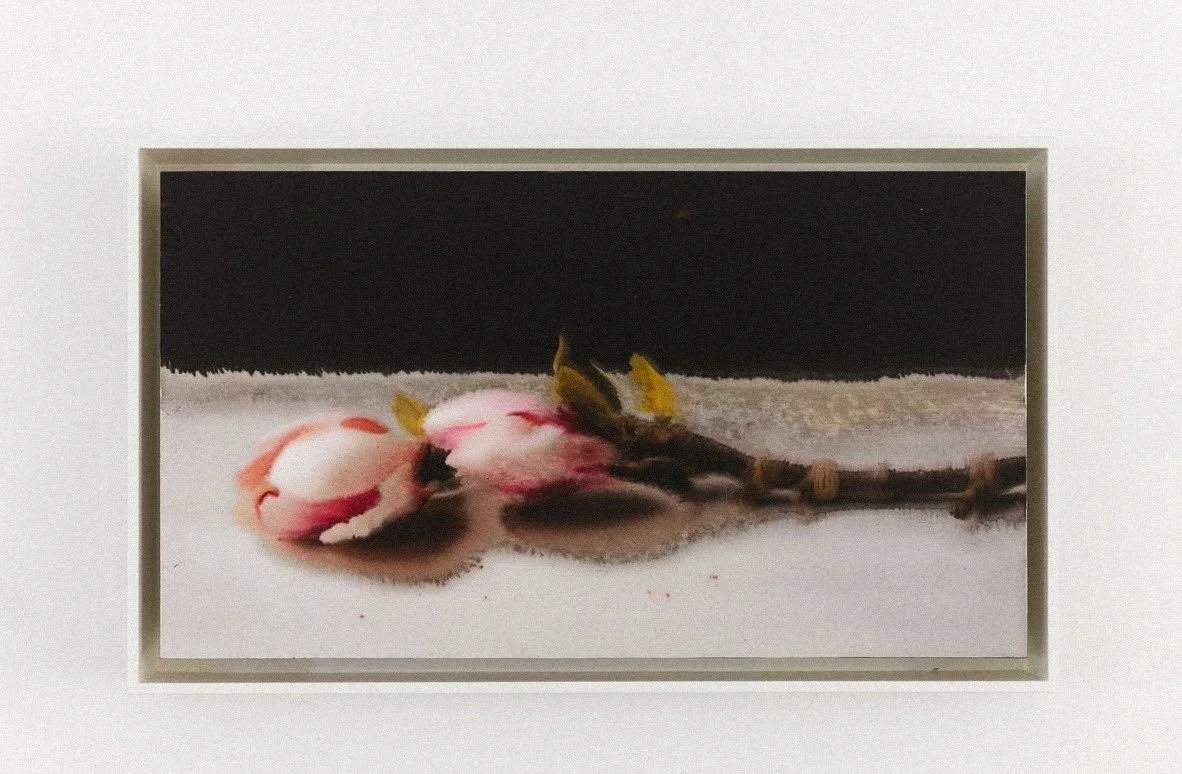
Comparing Glazing Options: Museum Glass vs UV Acrylic
When Woodman Frames talks about high-end framing, most people naturally focus on the wood or the matting. While those are vital, there is one element that sits directly between you and the art, yet its job is to be completely invisible. We are talking about glazing, the protective layer that serves as the final barrier for your collection.
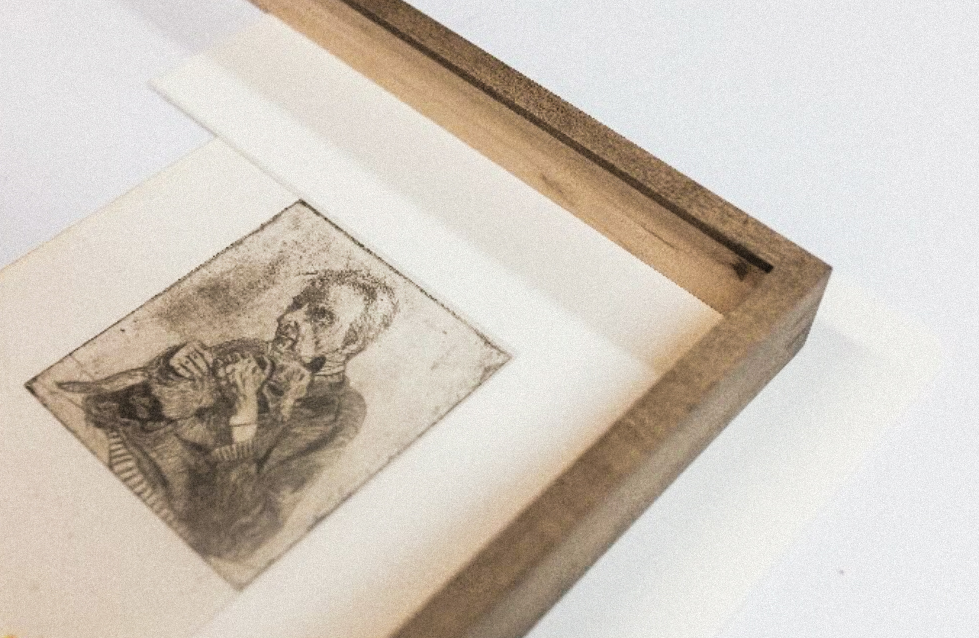
How to Protect Fine Art From UV & Acid Damage
The moment a new piece of art joins your collection, a silent, invisible clock starts ticking. Whether it’s a modern photograph, a delicate charcoal sketch, or a rare textile, the environment is constantly working against it; light fades the colors, humidity weakens the paper, and pollutants degrade the fibers.
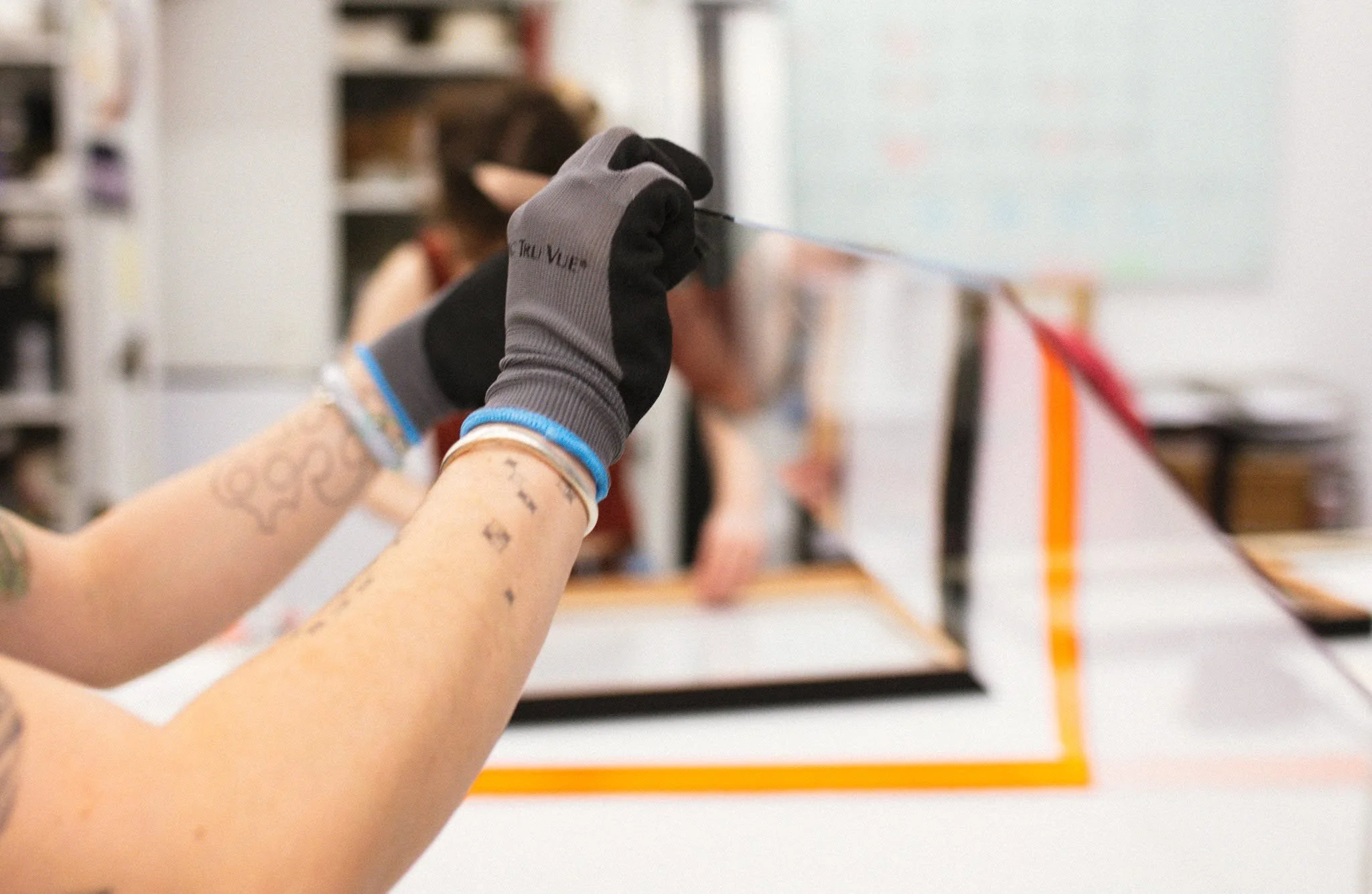
Why Handmade Frames Matter for Fine Art
When you stand in front of a masterpiece at a world-class gallery, your eyes usually go straight to the brushwork, the color, and the soul of the piece.
What you might not notice, at least not consciously, is the structure holding that artwork in place, providing the physical and aesthetic foundation for the entire experience.
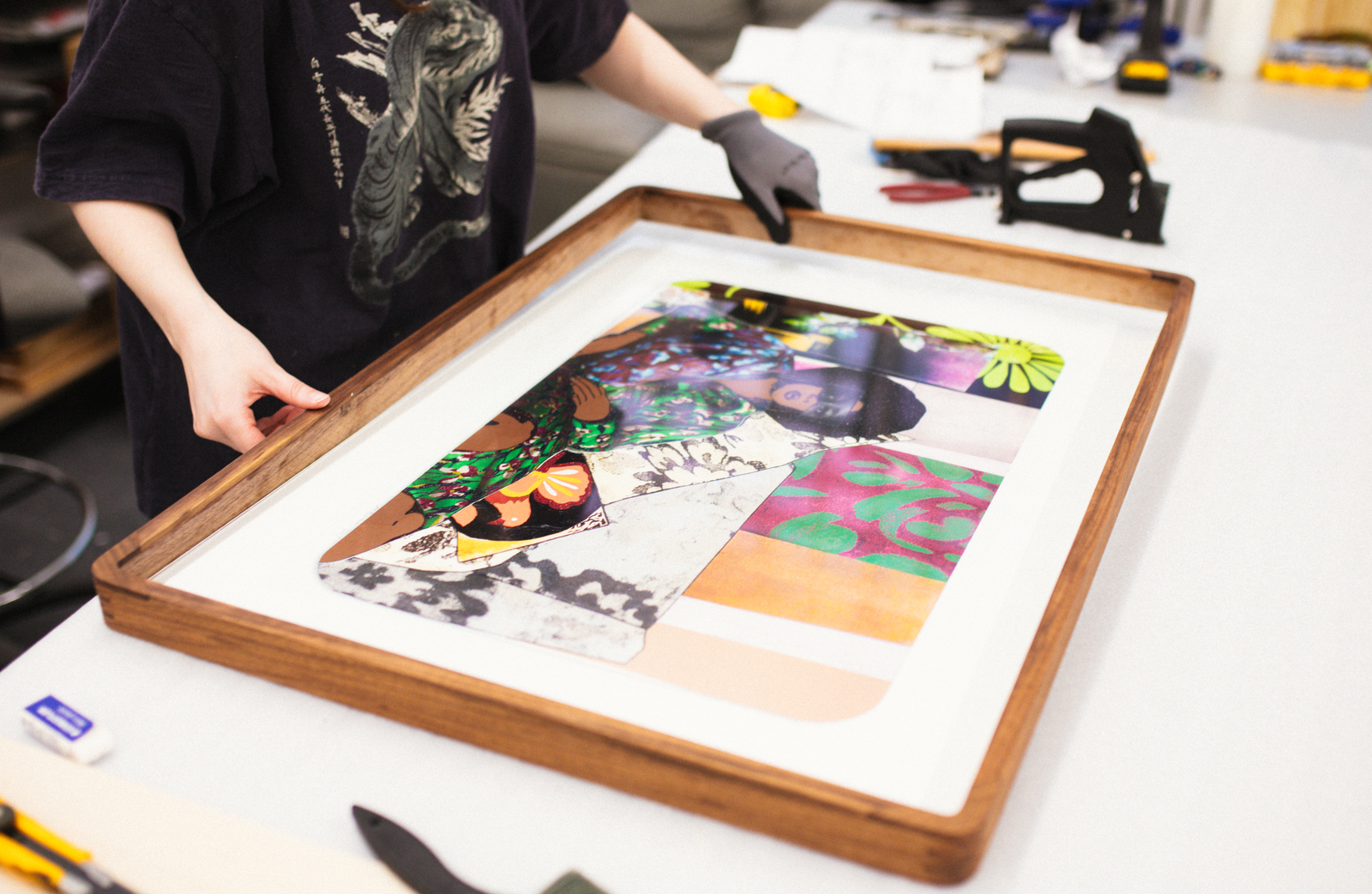
What Is Custom Archival Framing
When a new piece of art joins your collection, a silent, invisible clock starts ticking. Whether it’s a modern photograph, a delicate charcoal sketch, or a rare textile, the environment is constantly working against it; light fades the colors, humidity weakens the paper, and pollutants degrade the fibers.