

Framing Art for Humid NYC Environments
Framing art for humid NYC environments requires a complete conservation frame package. For collectors considering custom framing in NYC, the mount, matboard, backing, spacers, glazing, and frame construction must work together around the artwork.
This is especially important for work on paper. Paper expands and contracts as humidity changes, which can lead to waviness, cockling, or distortion when conditions fluctuate. Persistently damp conditions can also increase the risk of mold.
Woodman Frames treats archival, reversible practice as the standard for every project. The framing specification begins with the artwork’s medium, condition, scale, surface, edges, display setting, and presentation goals.
How Does Humidity Affect Framed Artwork in NYC?
The city alone does not determine how an artwork will respond. The main concern is the display environment and whether its conditions change over time. Works on paper can respond to changes in humidity, so their mounting and separation require careful planning.
Paper, photography, textiles, and mixed-media works do not have identical framing needs. A method suited to one medium may not be appropriate for another. The artwork must therefore be reviewed before the profile, backing, glazing, and mounting method are chosen.
Collectors looking for custom frames in New York should consider the entire frame package, not only the visible profile. Conservation framing brings every layer together to reduce avoidable risks while keeping future treatment or reframing possible.
How Does Moisture Enter a Custom Picture Frame?
A standard conservation frame is not an airtight or climate-controlled enclosure. Conditions in the surrounding room can therefore affect the environment around and within the frame package as humidity and temperature change.
Matboard, backing, spacers, glazing, and careful construction help reduce avoidable exposure and keep vulnerable surfaces separated, but they do not make the frame waterproof. This is why the proposed room and wall should be considered before the framing specification is finalized. Known dampness, condensation, or unstable conditions should be identified during the consultation.
Professional framing services in NYC should account for known environmental concerns before fabrication begins. These details can influence:
The depth of the frame profile
The type and weight of the glazing
The separation between the artwork and glazing
The mounting and backing structure
The need for reinforced construction
The handling requirements of the completed frame
How Conservation Framing Helps Protect Artwork in Humid Environments
Conservation framing does not create a waterproof enclosure. It combines archival matboard, backing, spacers, reversible mounting, appropriate glazing, and a properly constructed frame to support the artwork and reduce avoidable environmental risks.
Woodman Frames uses 100% cotton rag matboards, acid-free or archival backing, archival spacers, and reversible mounting methods. These components support the work, maintain separation, and form a conservation-level frame package.
A cotton rag matboard can create a window around the image while keeping the artwork away from the glazing. Its color, width, and proportions should support the composition without competing with it. Float and shadow mounts may be used when the edges or surface should remain visible.
Backing supports and closes the package from behind. It must be selected with the mount, artwork weight, frame depth, and intended display setting in mind.
Suitable works on paper may be hinged with Japanese tissue and wheat paste. BEVA may also be selected where appropriate. These methods keep the mounting approach reversible rather than creating a permanent bond between the original artwork and its backing.
Woodman Frames treats matboard, backing, hinging, spacers, glazing, and profile depth as parts of one coordinated package.
Why Must Glazing Never Touch Artwork in a Humid Environment?
A mat or archival spacer prevents the artwork from resting directly against the glazing. This separation is a basic function of conservation framing.
The required space depends on the work. A matted drawing may need a different frame depth from a float-mounted print, textile, or mixed-media piece. Shadow mounts can provide additional depth when an artwork has raised elements or when its edges should remain visible.
Direct contact becomes particularly risky when moisture or condensation is present. Moisture held against the artwork can contribute to cockling or surface damage, while photographic emulsions may adhere to glazing. A window mat or archival spacer creates the necessary air gap and reduces the chance of moisture being trapped directly against the image surface.
When reviewing NYC picture frames, collectors should ask how this separation will be created. The answer may involve a window mat, concealed spacers, a float mount, or a deeper shadow presentation.
Which Frame Materials Stand Up Best to NYC Humidity?
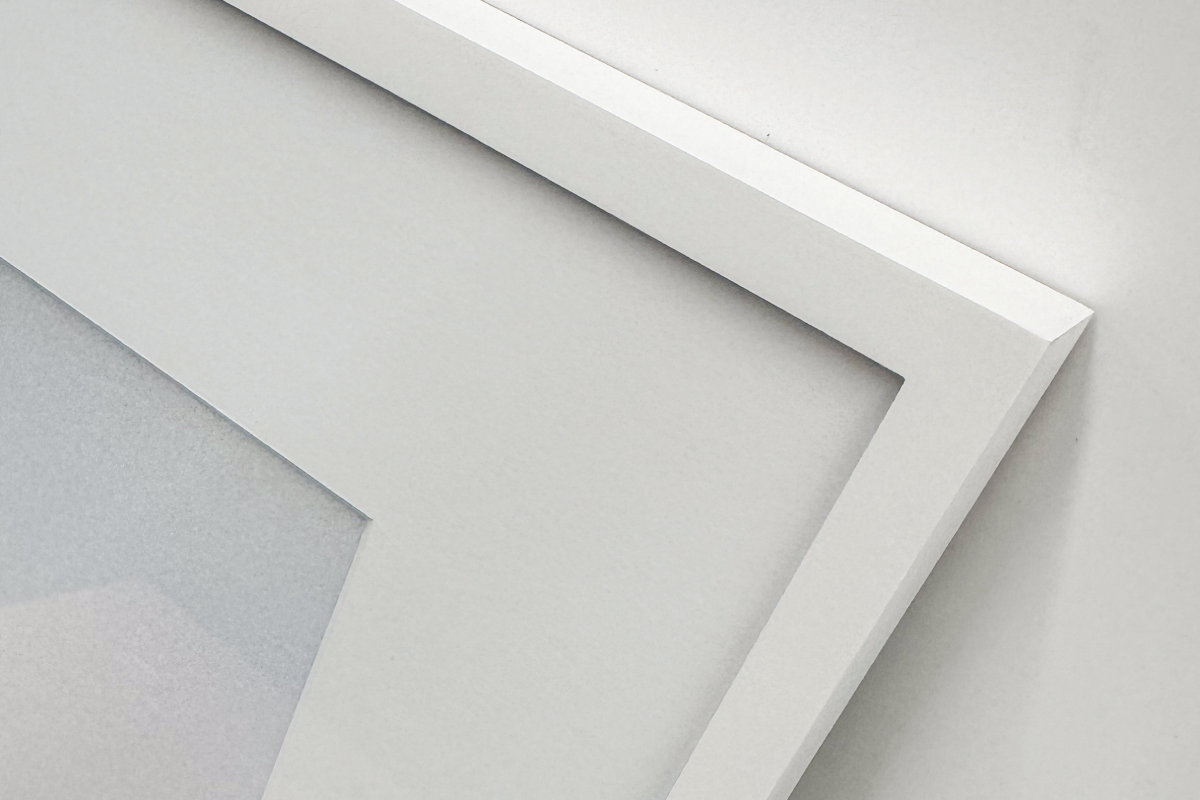
Woodman Frames mills its solid hardwood frames in-house. Each profile is designed and constructed according to the artwork’s size, weight, depth, presentation, and structural requirements.
The profile may need to hold glazing, spacers, matboard, mounting support, and backing without crowding the artwork.
Custom framing in Long Island City also requires design judgment. Grain, tone, profile width, depth, and finish should form a considered boundary without overpowering the work.
How Can Collectors Safely Display and Protect Art in Humid NYC Apartments?
Protection begins before fabrication. The framer needs to understand both the artwork and its intended display setting before recommending materials or construction.
Choose a display location with reasonably stable temperature and humidity. Avoid bathrooms, persistently damp rooms, walls with known condensation, direct sunlight, and areas close to heating vents or radiators. If a room regularly feels damp or shows signs of condensation, select a drier location before relying on framing to compensate for the environment.
Once a suitable display location has been identified, collectors can prepare for a framing consultation by reviewing these points:
Identify the medium. Note whether the work is on paper, photographic material, textile, canvas, or mixed media.
Review its condition. Existing folds, fragile edges, surface changes, or earlier mounting choices may affect the specification.
Confirm its scale and depth. Size and weight influence profile strength, glazing weight, backing, and handling.
Describe the intended wall. Mention any known dampness, condensation, or environmental concerns near the display area.
Consider the presentation. Decide whether the edges should be covered by a mat or visible in a float mount.
Discuss glazing priorities. Reflection control, clarity, weight, handling, and safety can influence the choice between Museum Glass and UV-filtering acrylic.
Plan for future reframing. Reversible mounting keeps open the option to remove the work from its current frame package.
Museum Glass may be appropriate where clarity and control of reflection are priorities. UV-filtering acrylic can offer practical advantages for larger or lighter-weight installations. Neither material should be described as eliminating every environmental risk.
Woodman Frames is an appointment-led custom framing studio in Long Island City, Queens, serving collectors, artists, galleries, art advisors, designers, institutions, and other art professionals throughout New York City.
FAQs
1. How Does High Humidity in NYC Damage Framed Paper Artwork?
Paper expands as it absorbs moisture and contracts as conditions become drier. Repeated or pronounced changes can cause waviness, cockling, warping, or stress around rigid mounting points. Persistently damp conditions can also increase the risk of mold.
2. Why Is a Stable Indoor Environment Important for Framed Art?
Artwork benefits from an indoor environment with reasonably stable relative humidity and temperature. Large or repeated fluctuations can cause paper and other responsive materials to move, warp, or distort, while persistently high moisture increases the risk of mold. Avoid display locations where dampness, condensation, or frequent temperature changes are already present.
3. Why Should Artwork Never Touch the Glass Inside a Picture Frame in Humid Weather?
Mats and archival spacers keep artwork from resting directly against the glazing. If moisture or condensation is present, direct contact can hold moisture against the artwork, contribute to cockling or surface damage, and cause photographic emulsions to adhere to the glazing. The required separation can be created through a window mat, concealed spacers, or a deeper mounting presentation.
4. How Do Conservation Matboard and Backing Protect Against NYC Moisture?
These materials are not waterproof. They form part of a conservation system that supports the artwork, separates it from the glazing, and closes the frame package from behind.
5. Are Solid Wood Frames Better Than Composite Frames for Humid Environments?
Woodman Frames mills solid hardwood profiles in-house and develops each frame around the artwork’s scale, weight, depth, and structural requirements. The framing decision should focus on the needs of the artwork and the complete conservation package rather than a generalized material comparison.
6. Can Framed Artwork Be Safely Hung on Exterior Walls in Older NYC Buildings?
Cold or damp exterior walls can create less stable conditions around a framed artwork, particularly where condensation has already been observed. Moisture forming near the frame can affect the paper, mounting materials, backing, and other parts of the frame package. A dry interior wall with more stable surrounding conditions is therefore preferable for sensitive artwork.
Artwork should also be kept away from radiators, heating vents, and direct sunlight. If an exterior wall is the only available location, inspect it for dampness or condensation before framing or installation. A conservation frame should not be treated as a substitute for correcting an existing environmental problem.
7. Is Acrylic or Glass Better for Custom Framing in Humid NYC Spaces?
The decision is project-specific. Museum Glass may suit work where clarity and control of reflection are priorities, while UV-filtering acrylic can offer practical advantages for large or lighter-weight frames. Glazing selection also depends on the artwork’s medium, frame size, weight, display setting, handling, and safety needs.
Conclusion
Framing art for humid NYC environments requires a coordinated conservation package and a reasonably stable display setting. Matboard, backing, spacers, glazing, reversible mounting, and hardwood construction each serve a different purpose, but none should be treated as a substitute for addressing dampness or condensation in the room.
Woodman Frames provides appointment-led custom framing from its Long Island City studio. Collectors and art professionals comparing custom frames in NYC can contact Woodman Frames to review the artwork, its display setting, and an appropriate conservation specification.