
Custom Framing for Queens Collectors, Galleries, and Designers
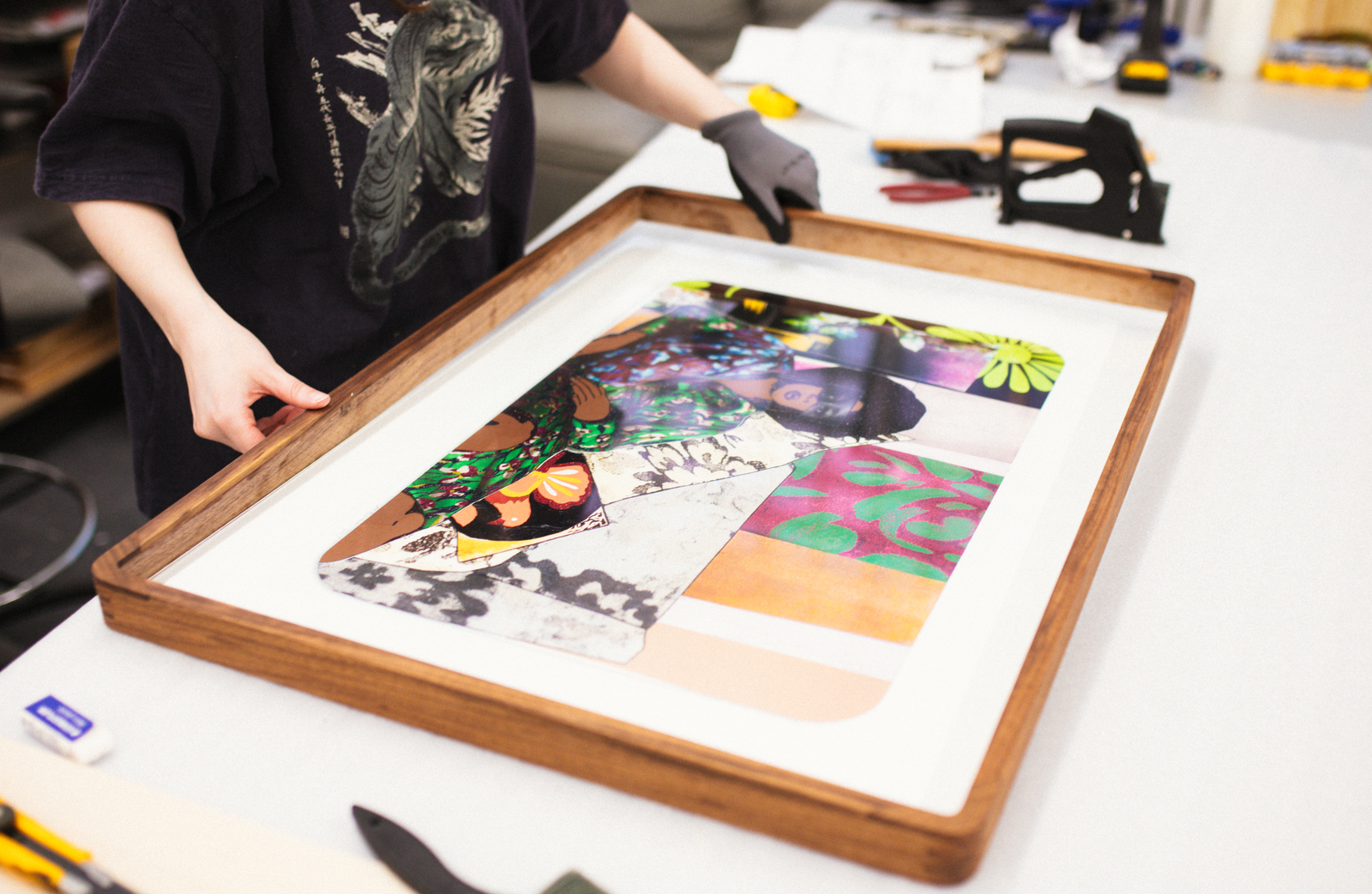
Woodman Frames is an appointment-led custom framing studio built around one premise: the artwork sets the terms for every material and construction decision that follows. The studio is based in Long Island City, where each frame is designed, milled, and finished in-house for collectors, artists, galleries, interior designers, and corporate clients across the borough.
Conservation is not an upgrade here. Every frame package, from the mat to the mounting to the glazing, is built using archival materials and fully reversible methods as the standard, not the exception.
Where We Work Across Queens
Queens is one of New York City's most active creative boroughs, home to working artists, galleries, design studios, and a growing number of collectors and institutions. Woodman Frames works with clients throughout the borough, including Long Island City, Astoria, Sunnyside, Woodside, Jackson Heights, and Forest Hills, as well as with collectors and professionals across Manhattan and Brooklyn.
The Long Island City studio is appointment-only. Clients bringing work from elsewhere in Queens, or from across New York City, are welcome to schedule a consultation before any framing decision is made.
Framing for Queens Artists, Collectors, Galleries, and Institutions
Woodman Frames works with artists, private collectors, art advisors, galleries, interior designers, and corporate and institutional clients across Queens. Each group brings different priorities to a project, from edition consistency and exhibition deadlines to collection-wide specification and long-term display planning.
A consultation at the Long Island City studio considers the artwork's medium, condition, scale, and display setting before any frame profile, mat, or glazing is selected. Individual pieces and multi-piece collections are handled to the same conservation standard.
The Frame as a Complete Conservation System
A frame is not a single decision. Mount, matboard, backing, spacers, glazing, profile, and finish work together to support and protect the artwork, and each component is selected for the specific piece rather than applied by default
Matting uses 100% cotton rag board and acid-free backing. Works on paper are hinged using reversible methods, including Japanese tissue and wheat paste where appropriate, so the piece can be reframed or treated in the future without damage. Photography, canvas, textiles, and mixed media are each mounted using methods suited to that medium rather than one universal approach.
Glazing options include Museum Glass and UV-filtering acrylic. Museum Glass is not automatically the right choice for every piece — acrylic can offer practical advantages for larger or lighter-weight installations, and the appropriate glazing depends on the artwork's size, weight, display conditions, and reflection control needs.
This system reduces exposure to ultraviolet light, acid migration, and the structural risks that come with unstable materials. No framing method can guarantee that a piece will never fade, age, or need future treatment, and Woodman Frames does not claim otherwise. The goal is to reduce avoidable risk while keeping the piece open to future conservation work.
Frame Profiles Milled and Finished In-House
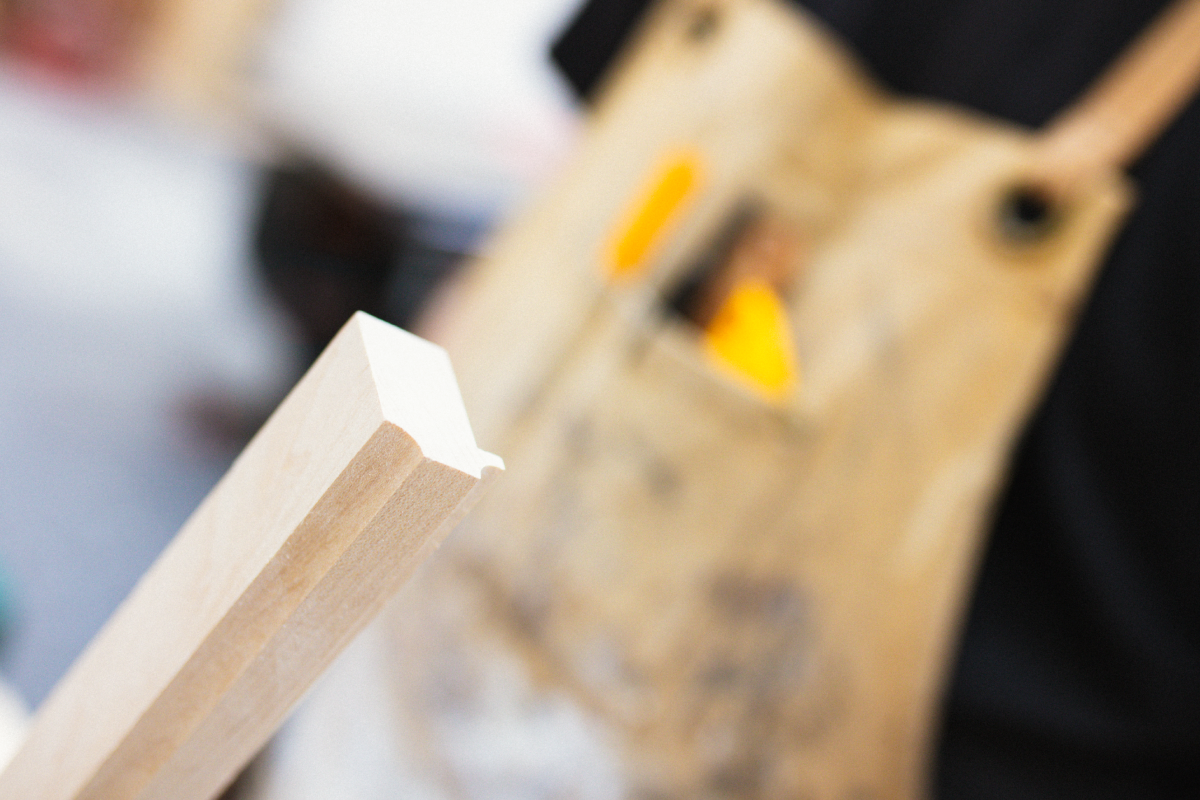
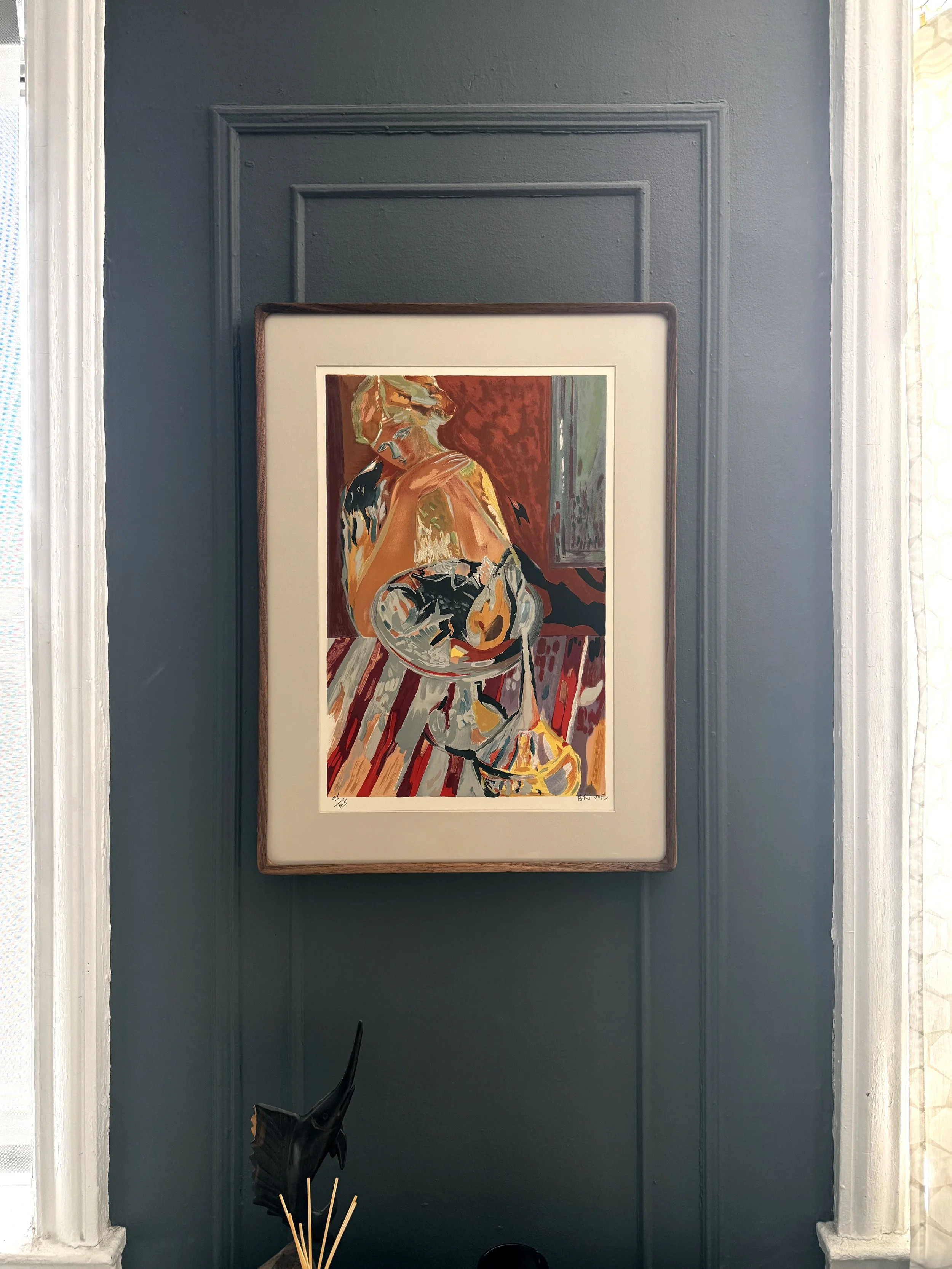
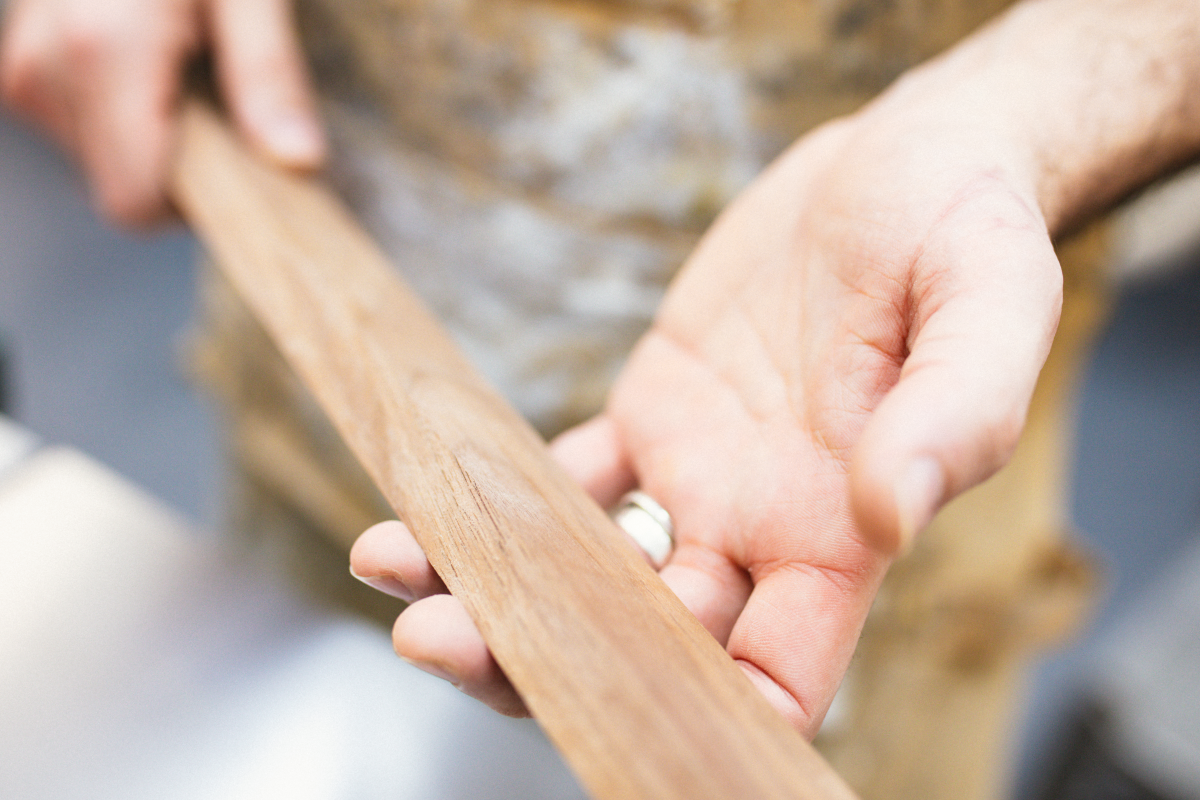
Frame profiles are milled, joined, and finished at the Long Island City studio using solid hardwoods, including maple, ash, cherry, oak, walnut, and tiger maple, along with select white oak, mahogany, sapele, wenge, and rosewood. Joinery uses a spline system, and finishes range from natural oil, wax, and lacquer to custom stains, whitewash, and pigmented tones.
Profile, depth, and finish are chosen in relation to the artwork's scale, surface, and tone, so the frame supports the piece rather than competing with it. Aluminum frames in brushed, anodized, or powder-coated finishes, along with hybrid metal-and-wood designs, are available for work that calls for a different material language.
Canvas, Oversized, and Specialist Framing
Canvas work is stretched on kiln-dried bars, with aluminum-reinforced systems available for larger pieces, and set in hardwood or aluminum floater frames. Oversized and specialist framing covers scrolls, textiles, fragile works on paper, and mixed media, using custom strainers and reinforced backing where the piece requires additional structural support.
Scale and weight are planned for early in the consultation, since glazing weight and structural support affect the profile and mounting method chosen for the piece.
A Consultation Built Around the Artwork
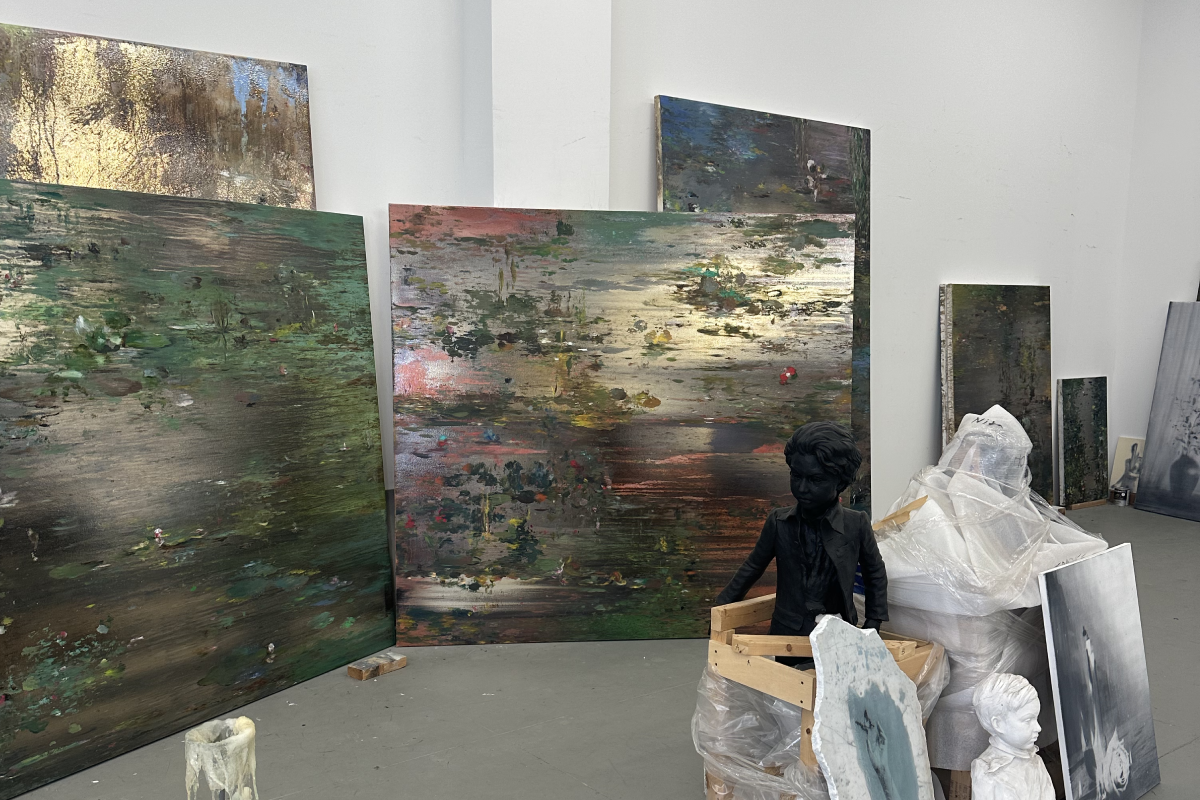
Every project begins with a consultation to review the artwork, goals, scale, and timeline. From there, the studio selects profiles, finishes, mats, and glazing for preservation and visual balance, then mills, joins, sands, and finishes the frame in-house.
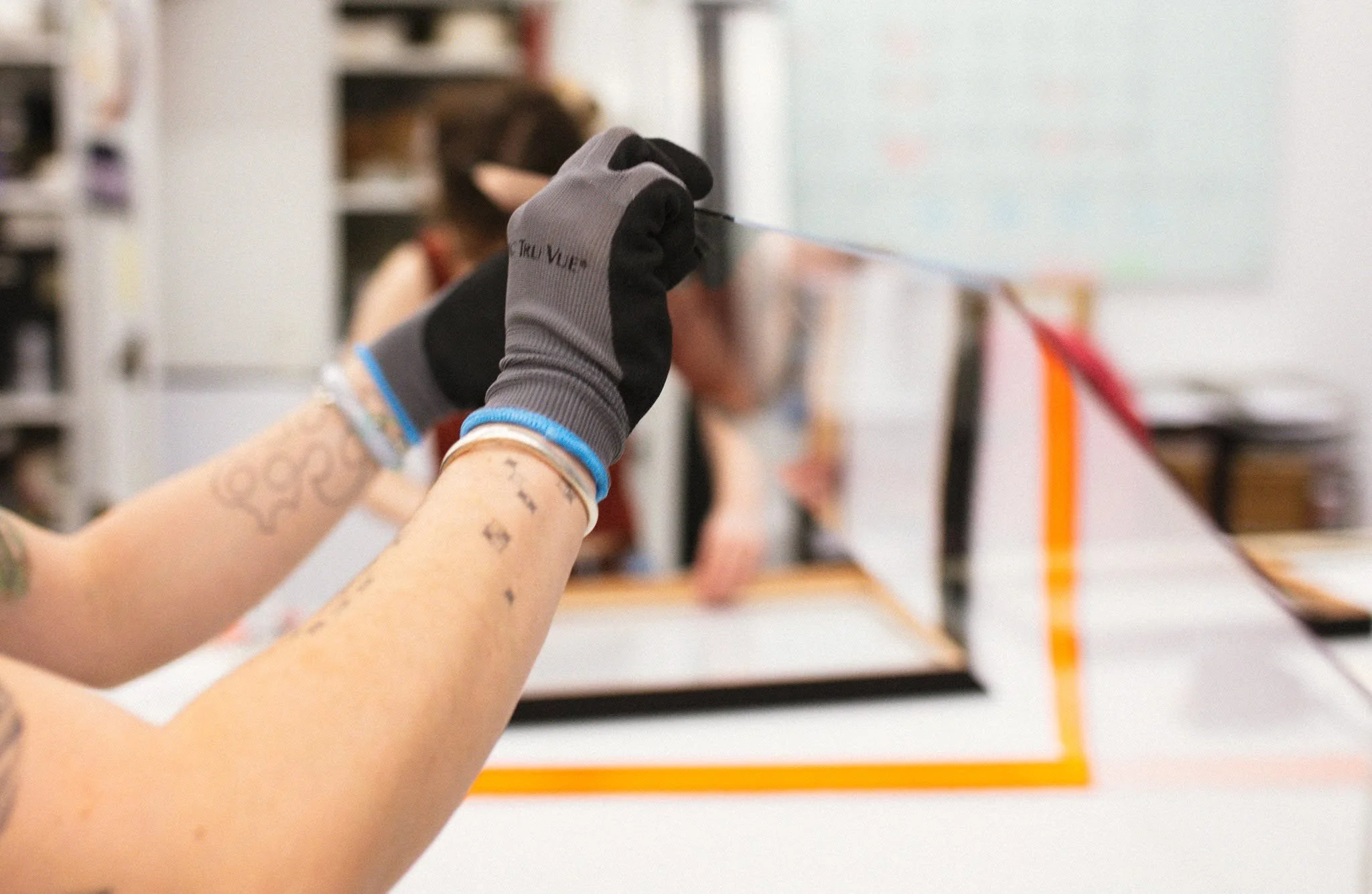
Mounting and glazing take place in a dust-free environment using archival, fully reversible methods. Finished pieces are packaged for safe delivery, with coordination available with professional art handlers on request. Timing depends on the scope and finish of each project and is discussed during the consultation.
Framing for Interiors, Galleries, and Exhibitions
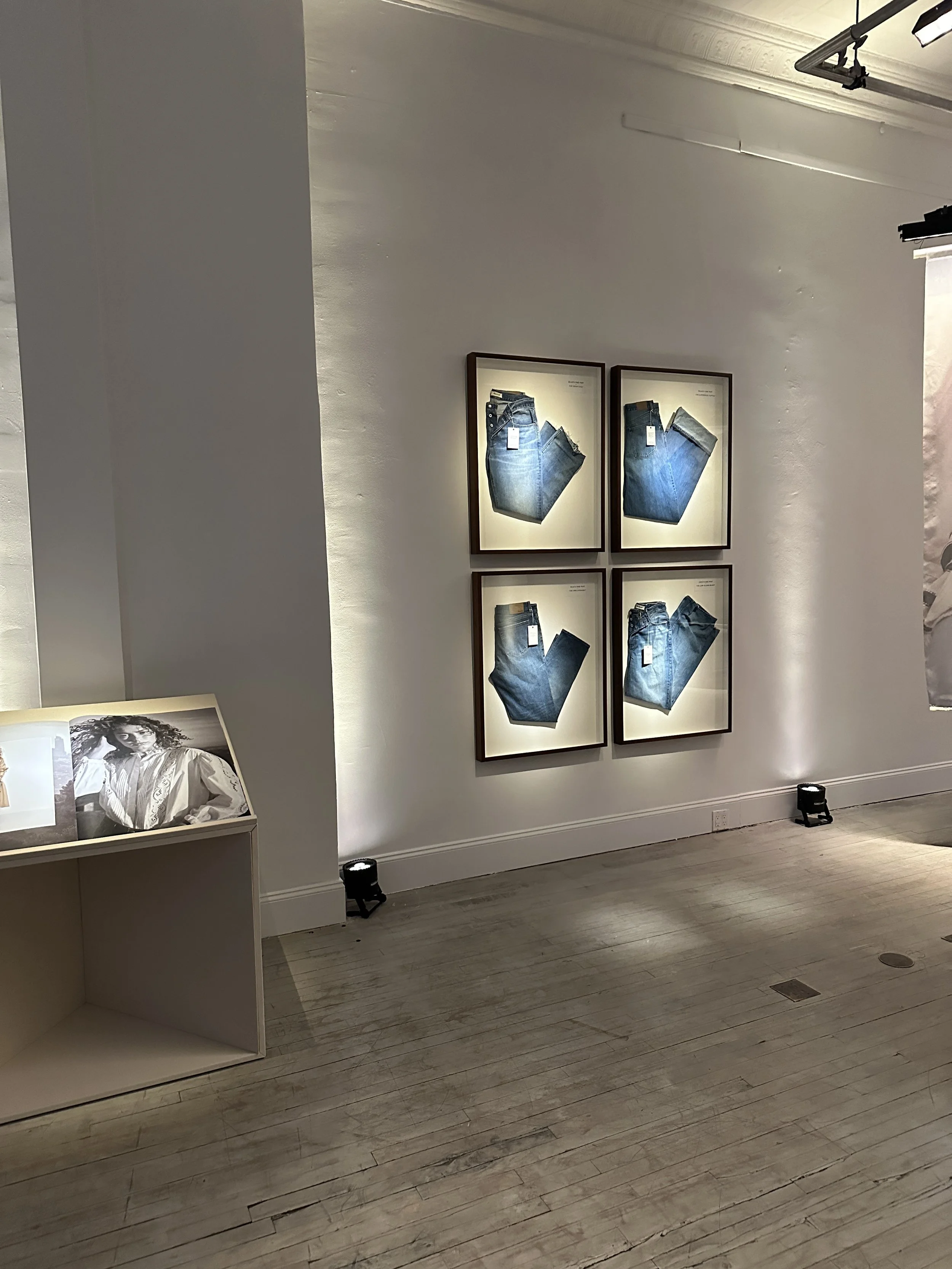
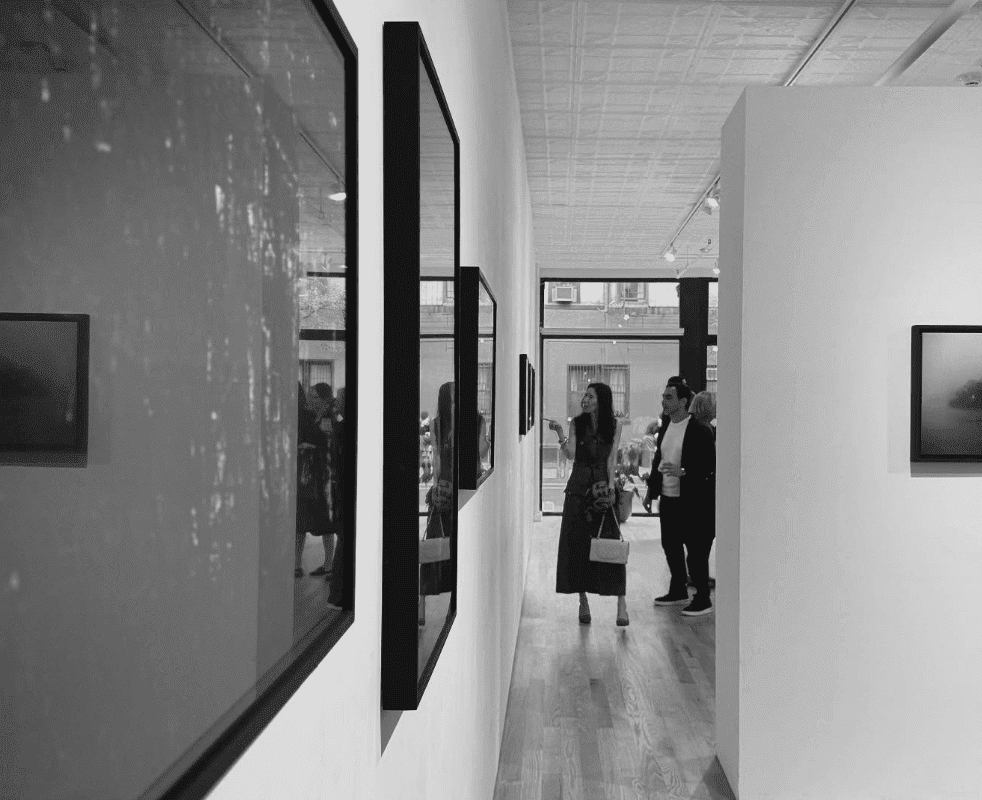
Framing decisions affect how artwork reads within a room or an exhibition space, from lighting and scale to architectural context and sightlines. Woodman Frames works with collector homes, corporate offices, galleries, and interior design projects across Queens and the wider city, with attention to how each piece or collection fits its display setting.
For collections and multi-piece projects, consistent specification across frames helps the work read as a cohesive group rather than a series of unrelated pieces.
Frequently Asked Questions
-
Cost depends on the size of the piece, the materials, glazing, and mounting method required. Every project at Woodman Frames is built to a conservation standard as the baseline, and pricing is discussed during the consultation once the artwork and its needs are reviewed.
-
Conservation framing at Woodman Frames means archival, acid-free materials, UV-filtering glazing, and reversible mounting methods on every project, not as an upgrade. This approach is intended to reduce avoidable risks to the artwork and keep future treatment or reframing options open.
-
Yes. Photography, prints, watercolors, drawings, and other works on paper are each mounted using methods suited to that specific medium, with reversible hinging used for original works on paper where appropriate.
-
Yes. Woodman Frames works with interior designers, galleries, art advisors, corporate collections, and institutions on individual pieces and larger, multi-piece projects that require consistent specification.
-
Woodman Frames is based in Long Island City and works with clients throughout Queens, Brooklyn, Manhattan, and the wider New York City area. The studio is appointment-only.
To discuss a piece, a collection, or an upcoming exhibition, contact Woodman Frames to arrange a consultation at the Long Island City studio. Bring the artwork, its dimensions, and any display considerations, and the studio will work through the framing decisions from there.