

Why Handmade Frames Matter for Fine Art
When you stand in front of a masterpiece at a world-class gallery, your eyes usually go straight to the brushwork, the color, and the soul of the piece.
What you might not notice, at least not consciously, is the structure holding that artwork in place, providing the physical and aesthetic foundation for the entire experience.
At Woodman Frames, we’ve found that a frame should never be an afterthought; a truly great one does more than just hang a picture; it safeguards a legacy.
Why Do Handmade Frames Matter More Than Standard Frames?
In the world of fine art, "handmade" isn’t just a fancy buzzword; it’s a fundamental commitment to the safety and longevity of your work. Standard retail frames are built for generic sizes and short-term use, often relying on materials that prioritize a low price over long-term stability.
Handmade frames, however, are engineered from the ground up to provide a bespoke environment specifically tailored to the unique chemistry and weight of your artwork.
We often tell our clients that there is a massive difference between framing for a quick display and framing for a lifetime of preservation.
Standard frames might look "fine" on day one, but they lack the structural backbone to prevent warping or chemical off-gassing over the years. When you're dealing with valuable or collectible artwork, a handmade frame acts as a protective vessel that maintains both the piece’s condition and its market value.
This is important because fine art is highly sensitive to its surroundings, and the wrong housing can accelerate its deterioration. Acidic materials, poor seals, and unstable joints are the primary enemies of paper and canvas.
By sticking to a handcrafted approach, we make sure every single component is vetted for conservation-grade quality, giving collectors the peace of mind that their art is truly safe.
What Is the Difference Between Handmade Frames and Mass-Produced Frames?
When you compare handcrafted methods to factory production, the biggest difference is the level of human oversight and the quality of the raw materials. Factory frames are churned out by the thousands using automated machinery, which almost always leads to "relaxed" tolerances and generic assembly.
Our custom handmade frames for artwork are built one at a time, allowing us to inspect every square inch of wood and every drop of adhesive used.
Factory-made frames usually rely on "mitered" corners that are simply glued and v-nailed, a method that frequently fails as wood naturally expands and contracts with the seasons.
In contrast, handmade frames utilize superior joinery and solid hardwoods that offer much better resistance to gravity and time. We don't hide flaws behind thick layers of paint; we make sure the build is flawless before the finish ever touches the wood.
Mass-produced frames are also notorious for using "engineered" woods or plastic substitutes that look like real timber but have zero durability. In a professional setting, these shortcuts become obvious very quickly as the frame begins to sag or the corners start to gap. By ditching the assembly-line mentality, we can guarantee a level of precision that is simply impossible to hit in a high-speed factory environment.
How Does Craftsmanship Affect the Strength and Finish of a Frame?
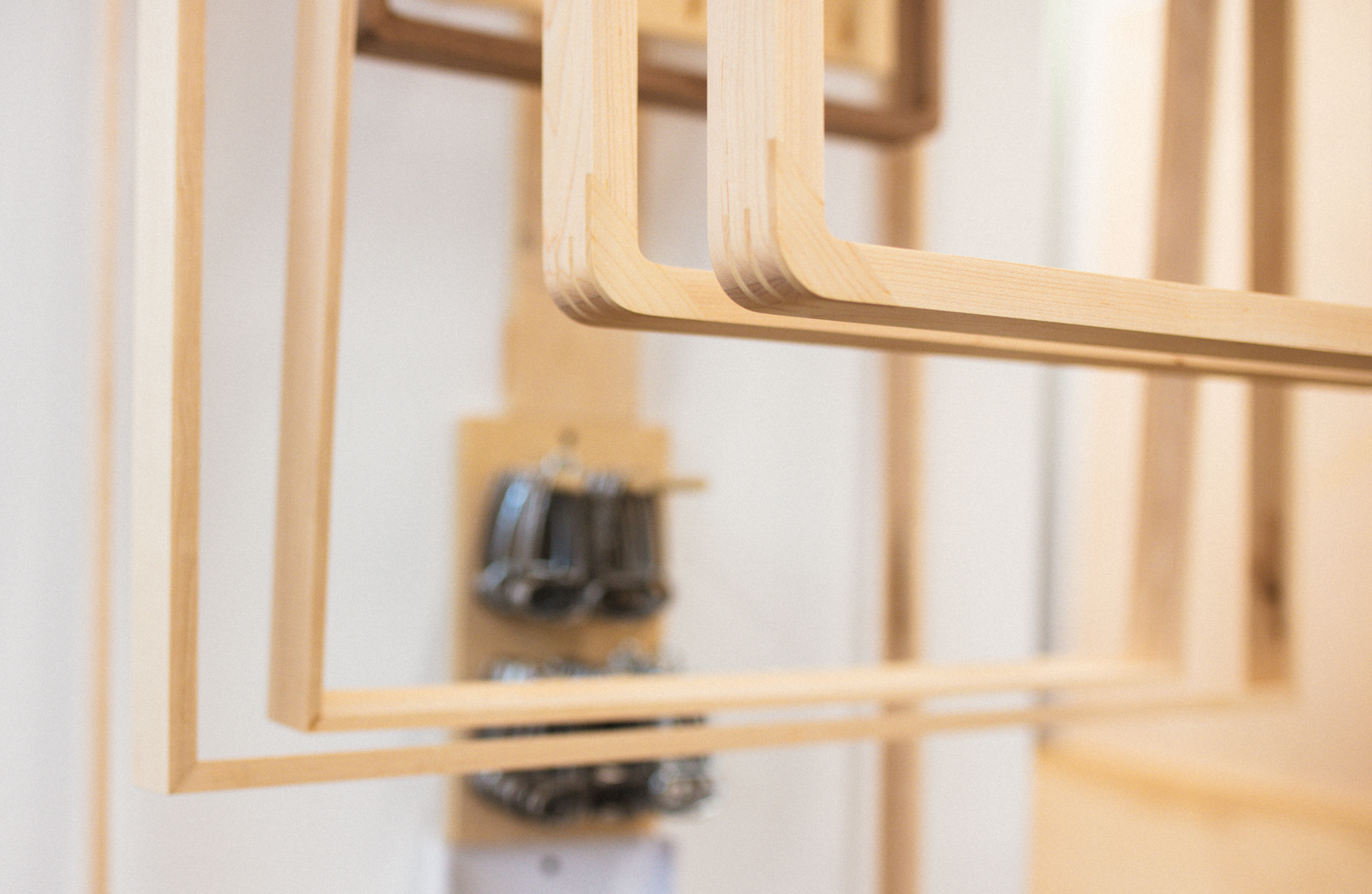
The real strength of a frame lives in its corners, and this is where true custom framing craftsmanship really shows its value. We use precision joinery methods like splines and dovetails, which add actual mechanical strength to the corners rather than just relying on the "grab" of a nail.
These techniques create a much larger surface area for bonding, ensuring the frame stays square and secure for decades.
Handcrafted construction also allows for the kind of perfect alignment you won't find in a standard product. When we build a frame by hand, we account for the natural variations in the wood grain to ensure the final look is seamless.
This attention to detail means the corners are smooth to the touch and the finish is deep and even, without the uneven texture often seen on factory lines.
Beyond just holding things together, craftsmanship changes how people see the art. A frame with sloppy corners or a generic finish acts as a visual distraction that pulls the eye away from the masterpiece.
Our goal is to create a presentation so perfect that it feels like a natural extension of the artwork, providing that professional gallery quality handmade frames look that demands respect.
Why Do Materials Matter in Handmade Frames?
We believe the foundation of any great frame is the wood itself. While mass-market frames often use "MDF" (medium-density fiberboard) or soft "finger-jointed" pine, we work exclusively with solid hardwoods like oak, walnut, maple, cherry, white ash, and exotic hardwoods.
These woods are chosen for their stability, tight grain patterns, and their ability to hold a beautiful finish without warping over time.
Material quality affects more than just the look; it dictates how long the entire display will last. Solid hardwoods are much denser and tougher than synthetic substitutes, meaning they are far less likely to bow under the weight of heavy glass. This stability is crucial for maintaining a tight seal against dust and insects, constant threats to the health of any art collection.
Lower-grade materials are also often treated with chemicals that "off-gas" over time, releasing acidic vapors that eat away at sensitive paper. By using natural, high-grade timber and stable finishes, we cut out these invisible risks entirely. In the world of fine art framing, the quality of the raw material is your first and most important line of defense.
How Do Handmade Frames Support Archival and Conservation Framing?
Archival handmade framing is about more than just a pretty exterior; it’s about what’s happening behind the glass. We use only acid-free, conservation-grade materials for our mats and backing boards to ensure they never "burn" the artwork. This chemical neutrality is what stops the yellowing and brittleness that happen to art stored in standard retail frames.
Every handmade frame we produce also features UV-protective glazing, which acts as a shield against the fading power of the sun. We combine this with archival mounting methods, such as Japanese tissue hinging, which secures the art without permanently sticking to it. This means if you ever need to remove the art, it will be in the same condition it was the day it arrived.
We believe that preservation should never come at the expense of a beautiful presentation. Our museum-quality handmade frames are designed to meet the strictest conservation standards while still looking like a piece of fine furniture. By building these invisible protections into the frame itself, we ensure your art stays vibrant and intact for the next generation.
Why Is Custom Design Important in Handmade Frames?
One of the best parts of the handmade approach is being able to tailor every single dimension to what the artwork actually needs. We don’t force your art into a "standard" size; we build the frame to fit the exact millimeter of the paper or canvas. This custom design lets us pick a profile, tone, and depth that complements the work without overpowering it.
Our bespoke frames for collectors can include specialized features like custom spacers, deep shadowboxes, or unique finishes that match a specific room’s vibe. We can adjust the "rabbet" depth to perfectly house thick canvases or delicate, multi-layered textiles. This flexibility ensures the frame provides the right physical support while hitting a sophisticated aesthetic balance.
A well-designed frame should lead the eye into the artwork rather than distract from it. By choosing a custom profile and a hand-applied finish, we can harmonize the frame with the art’s color palette and emotional tone. This bespoke approach ensures the final result is a one-of-a-kind presentation that reflects just how much the work inside means.
How Do Handmade Frames Protect Artwork Over Time?
The world can be a pretty hostile place for fine art, and a handmade frame is designed to be the ultimate shield. By using stable joinery and solid wood, we prevent the frame from warping or twisting, which would otherwise put uneven pressure on the artwork. This physical stability is the first step in protecting your investment from the daily stresses of the environment.
Proper photo mounting techniques are just as important for long-term health. We use archival methods that allow paper to "breathe," expanding and contracting naturally with humidity changes without buckling or tearing. Standard frames often use aggressive tapes or permanent glues that cause irreversible damage as the materials age and react with the art’s fibers.
Finally, our assembly happens in a controlled, dust-free environment to make sure no junk gets trapped behind the glass. We carefully seal the back of the frame to keep out pollutants and pests that love the dark spaces behind a picture. This comprehensive "micro-environment" is what allows fine art to survive for centuries rather than just a few years.
Why Do Collectors, Galleries, and Designers Choose Handmade Frames?
For the pros, consistency and quality are non-negotiable. Galleries and museums choose handmade frames because they need a high level of excellence across entire exhibitions. When you have dozens of pieces hanging in one room, the precision of handcrafted joinery ensures that every corner is perfect and every finish looks uniform.
Designers also go for handmade options because they have to meet the standards of their most discerning clients. A mass-produced frame can look cheap and out of place in a luxury home or a corporate office. Handcrafted wood frames for fine art provide a sense of weight and quality that tells the viewer the work inside is significant and deeply valued.
Ultimately, choosing handmade framing is about matching the standards of high-value artwork. If a collector has put thousands of dollars into a piece, it only makes sense to protect it with a frame of the same caliber. By going the handmade route, these professionals are making sure the art is presented with the dignity and security it deserves.
What Is the Process Behind Creating a Handmade Frame?
The journey toward a perfect frame starts with a real conversation to understand the artwork and your goals for it. We look at the medium, the age of the piece, and where it’s going to hang to figure out the best materials. This collaborative phase makes sure the final design hits both your style preferences and the art's technical needs.
Once the design is locked in, we move to fabrication, which involves milling the timber right here in the shop. We cut the profiles, join the corners using traditional methods, and hand-sand the wood until it’s perfectly smooth. Then comes the finish, whether it’s a natural oil, a hand-rubbed wax, or a custom lacquer, to bring out the wood's natural character.
The final steps are archival mounting and glazing in our clean-room environment. We do a final check to make sure the seal is perfect and the art is secure before it leaves our hands. Finally, we coordinate safe delivery and professional installation to make sure the frame is hung correctly and safely in its new home.
Are Handmade Frames Worth the Investment for Long-Term Value?
When you compare the upfront cost of a handmade frame to a standard one, the handcrafted option is definitely an investment. But we always encourage our clients to look at the long-term benefits and the lower risk of damage. A cheap frame can actually devalue your art over time through acid burns, fading, or physical warping that leads to expensive restoration bills.
By choosing custom picture framing services, you’re essentially buying an insurance policy for your art. You won’t need to reframe the piece in five years because the corners gave out or the mat turned yellow. The durability of handmade frames means that the initial investment covers the entire lifespan of the artwork, saving you a lot of money and stress down the road.
At the end of the day, we believe framing should be seen as protecting an asset, not just buying a decoration. A well-framed piece of art is easier to sell, easier to appraise, and much more likely to stay in "pristine" condition. In the world of fine art, the frame is the guardian of the value, making it one of the smartest moves a collector can make.
Frequently Asked Questions
Why are handmade frames significant for artwork?
Handmade frames provide a tailored, chemically stable environment that protects art from physical and environmental stress. Unlike mass-produced options, they use archival materials, framing, and superior joinery to keep the artwork in pristine condition for decades.
Are handmade frames better than mass-produced frames?
Yes, mainly because they offer tighter tolerances, higher-quality solid hardwoods, and archival internal parts. Mass-produced frames often use acidic materials and weak joints that can damage art or fail over time, whereas handmade frames are built to last.
What makes handmade frames more durable?
The secret is in the traditional joinery, like splines and dovetails, combined with solid hardwoods. These techniques create much stronger corners and a stable structure that won't sag or warp under the weight of the glass.
Do handmade frames use better materials?
Absolutely. We use solid domestic and exotic hardwoods rather than MDF or softwoods, along with acid-free mats and UV-filtering glass. These premium materials ensure the frame is both physically tough and chemically safe for the artwork.
How do handmade frames help preserve artwork?
By using 100% acid-free mats, UV-protective glass, and reversible mounting, handmade frames stop fading and chemical "burning." They create a sealed micro-environment that shields the art from dust, humidity, and pollutants.
What is the difference between handmade and custom frames?
While both can be "custom" in size, "handmade" refers to the manual build, milling the wood, joining corners, and applying the finish. Some custom framing is just factory molding cut to size, which lacks the structural integrity of a truly handmade frame.
Are handmade frames necessary for valuable art?
For any artwork you plan to keep as an investment, handmade framing is a must. It’s the only way to be certain the housing won't devalue the piece through chemical damage or poor physical support over time.
Do handmade frames last longer than standard frames?
Yes. Because they are built from stable hardwoods and held together with superior mechanical joints, they are designed to last for generations. Standard frames often need replacing as the materials degrade or the joints pull apart.
Conclusion
We believe a great frame is the ultimate sign of respect for a piece of art. It shouldn’t just be a border; it should be a carefully engineered sanctuary that protects the work's soul and history. At Woodman Frames, our mission is to provide handcrafted wood frames for fine art that stand the test of time, both in style and in substance.
Choosing the handmade route means making a commitment to the craftsmanship and conservation that fine art deserves. Our collaborative process ensures your vision comes to life through fine art framing techniques trusted by leading galleries worldwide. We take great pride in building the structures that keep your memories and investments safe.
Let’s stop pretending a generic box is enough for your collection. Your art has already survived the studio and the gallery; it’s high time it had a permanent home that keeps it that way. If you’re ready to move past "good enough" and look into a custom framing service that values your art’s future as much as you do, we’d love to hear from you. Drop the Woodman team a line to chat about our photo mounting service and see how a handmade frame can finally give your work the structural backbone it’s been missing.