

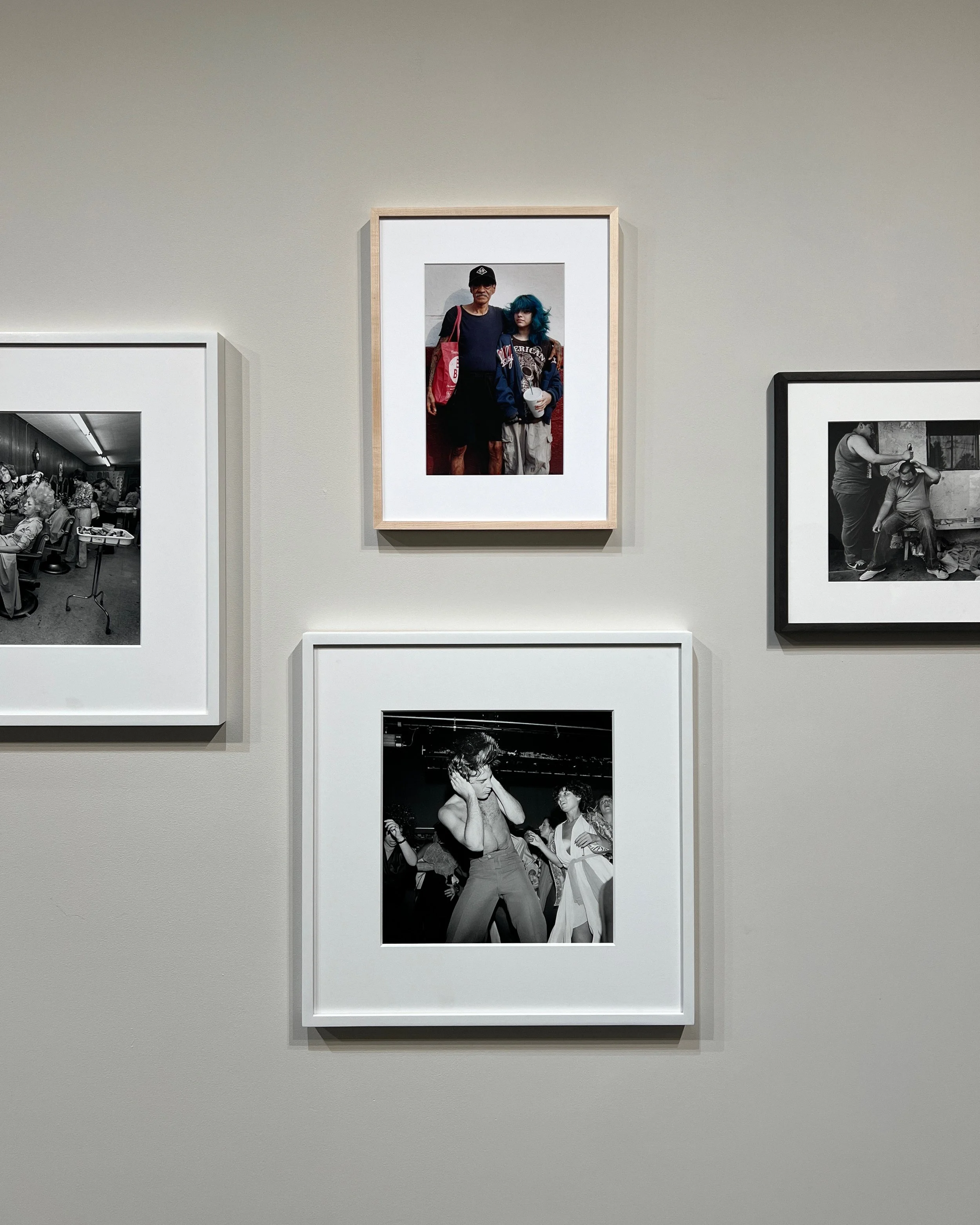
Museum Quality Custom Framing Service for Fine Art, Photography and Collections
Woodman Frames provides museum-quality custom framing for fine art, photography, and collections. Every project combines thoughtful frame design, precise in-house craftsmanship, and conservation-level materials selected to protect the artwork.
Every wood frame is built entirely in-house from raw, solid hardwood, never from pre-cut, pre-finished, or pre-joined moulding. From the initial consultation through milling, joinery, mounting, glazing, and final assembly, each element is developed around the artwork, its scale, and its long-term preservation requirements.
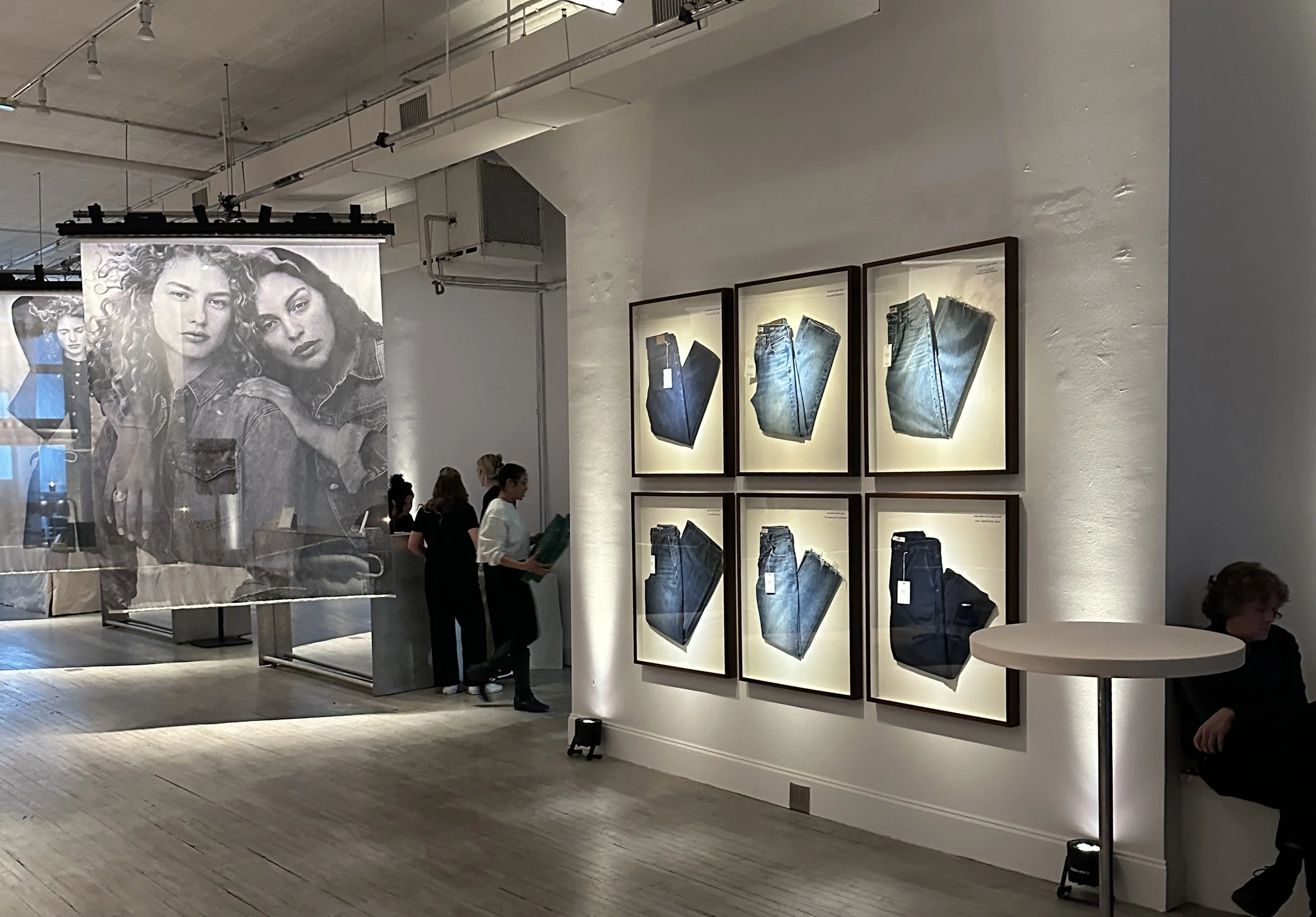
What Our Custom Framing Service Includes
Professional custom framing involves more than placing artwork inside a frame. The profile, materials, mounting method, glazing, and construction must work together to support the artwork visually and physically.
Woodman Frames approaches every project as a complete framing system.
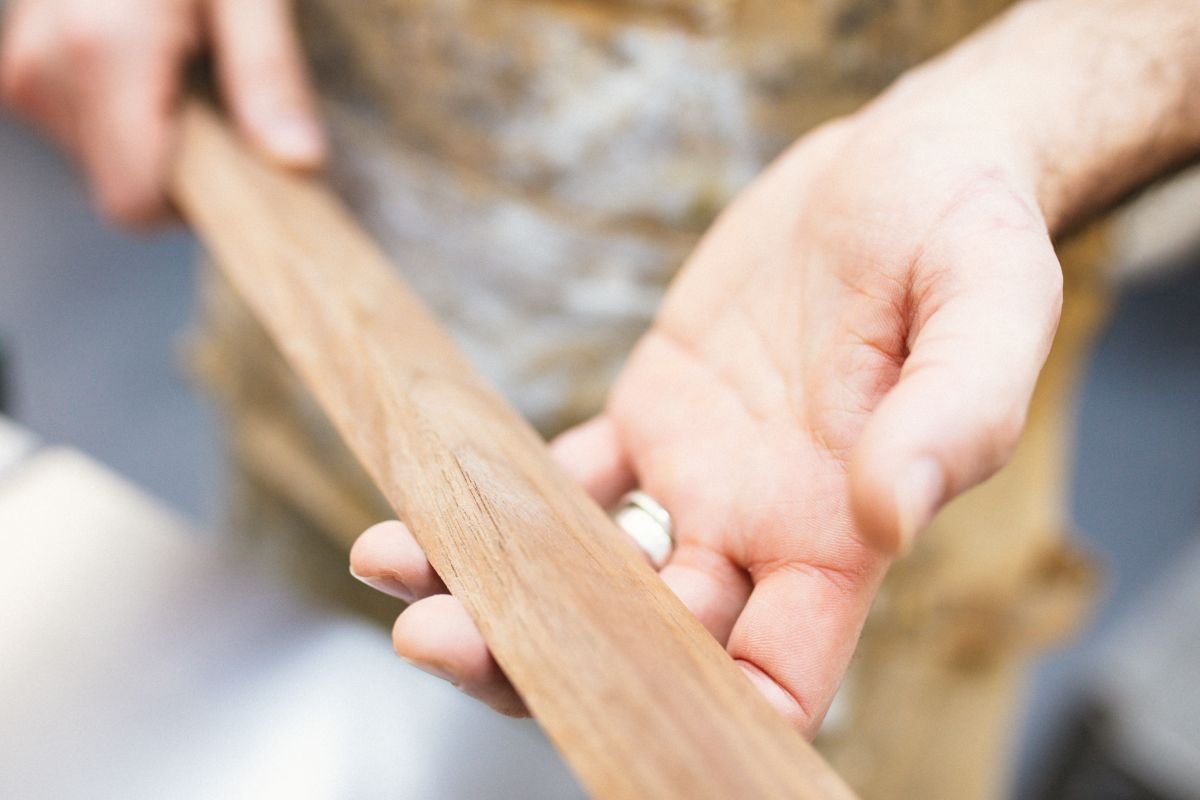
Every Woodman Frames project starts with a design consultation. Before a profile is milled or a mat is cut, we sit down with the artwork and work out what it needs to be preserved and presented well. Consultations take place at our appointment-only studio or over Zoom.
The frame profile is selected or designed according to the artwork’s proportions, depth, medium, and visual character. Wood, metal, spacers, liners and finishes are considered as part of the overall presentation.
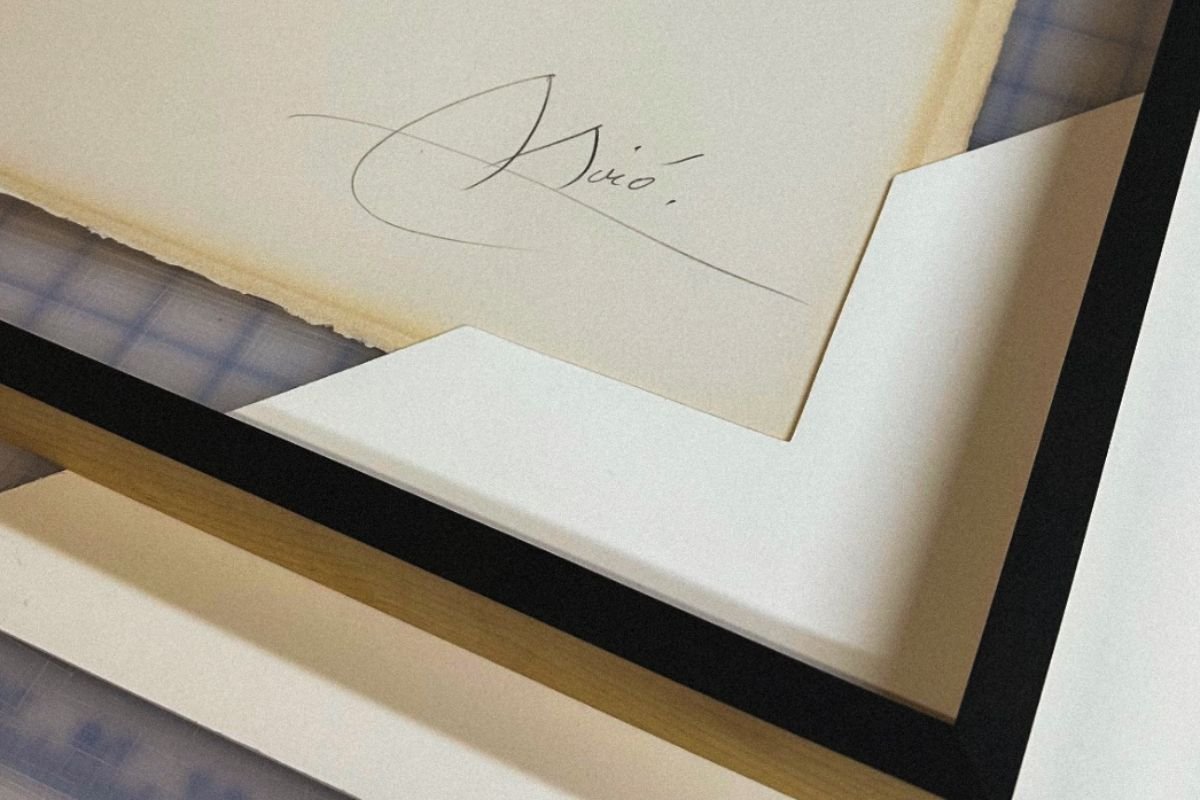
Every material that touches or surrounds the artwork is selected according to conservation requirements. Conservation-grade framing methods are the standard for every project.
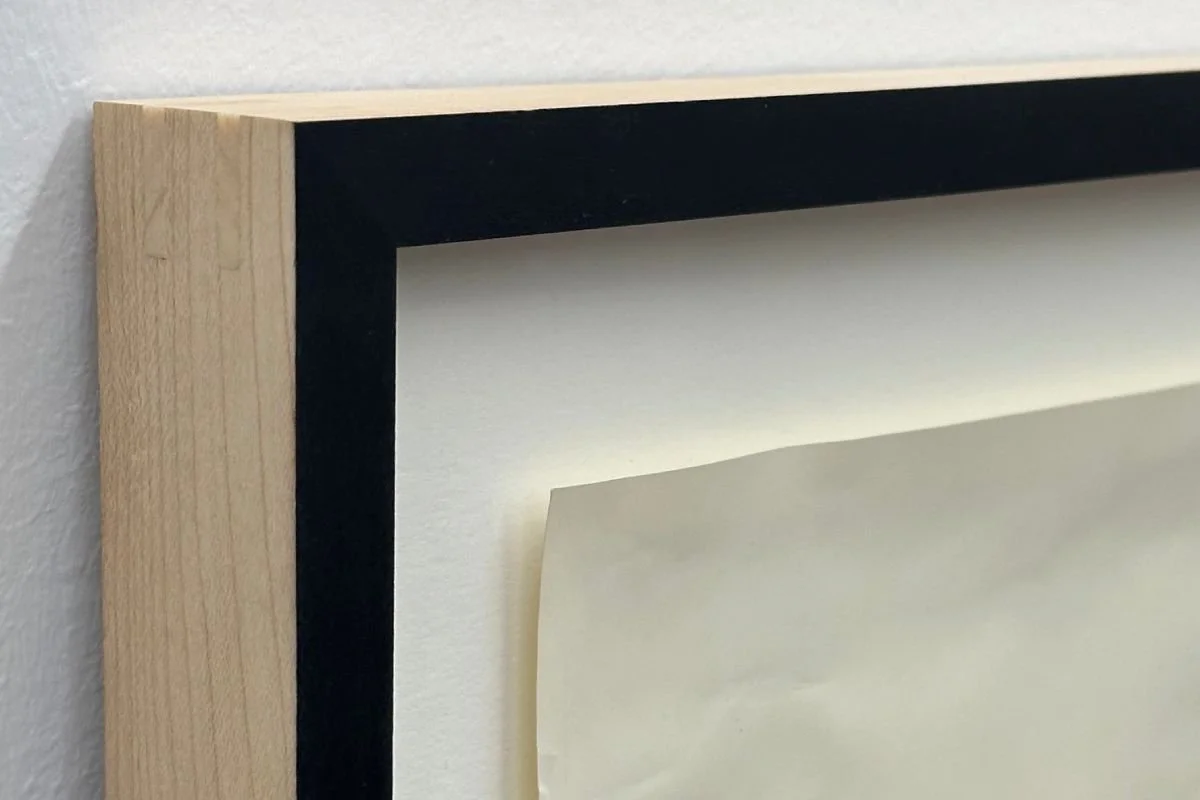
Matting and mounting methods are selected according to the artwork type, stability, and intended presentation. Options may include reversible hinging, float mounting, shadow mounting, and archival photo mounting.
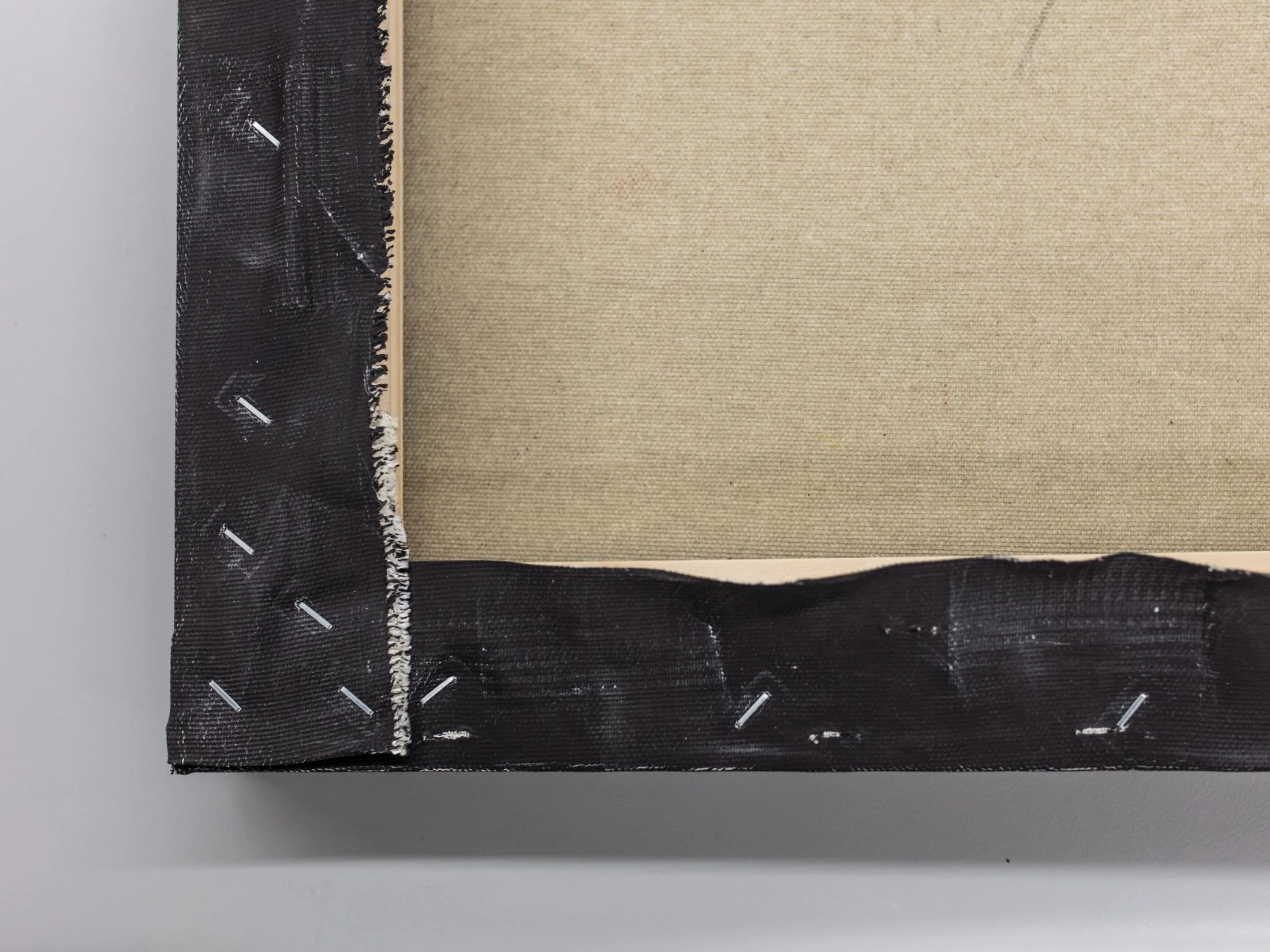
A painting on canvas needs a sound structure before a frame is built around it. Woodman Frames offers a canvas stretching service for artists, collectors, and galleries who want that step handled with the same care as the frame itself. The work is done in-house at our appointment-only studio.
Stretching is a structural decision. Tension and the bars behind the canvas both affect how the painting sits on the wall and how its frame will be built.

Museum Glass and UV acrylic are considered according to the artwork, scale, frame construction, and presentation requirements.
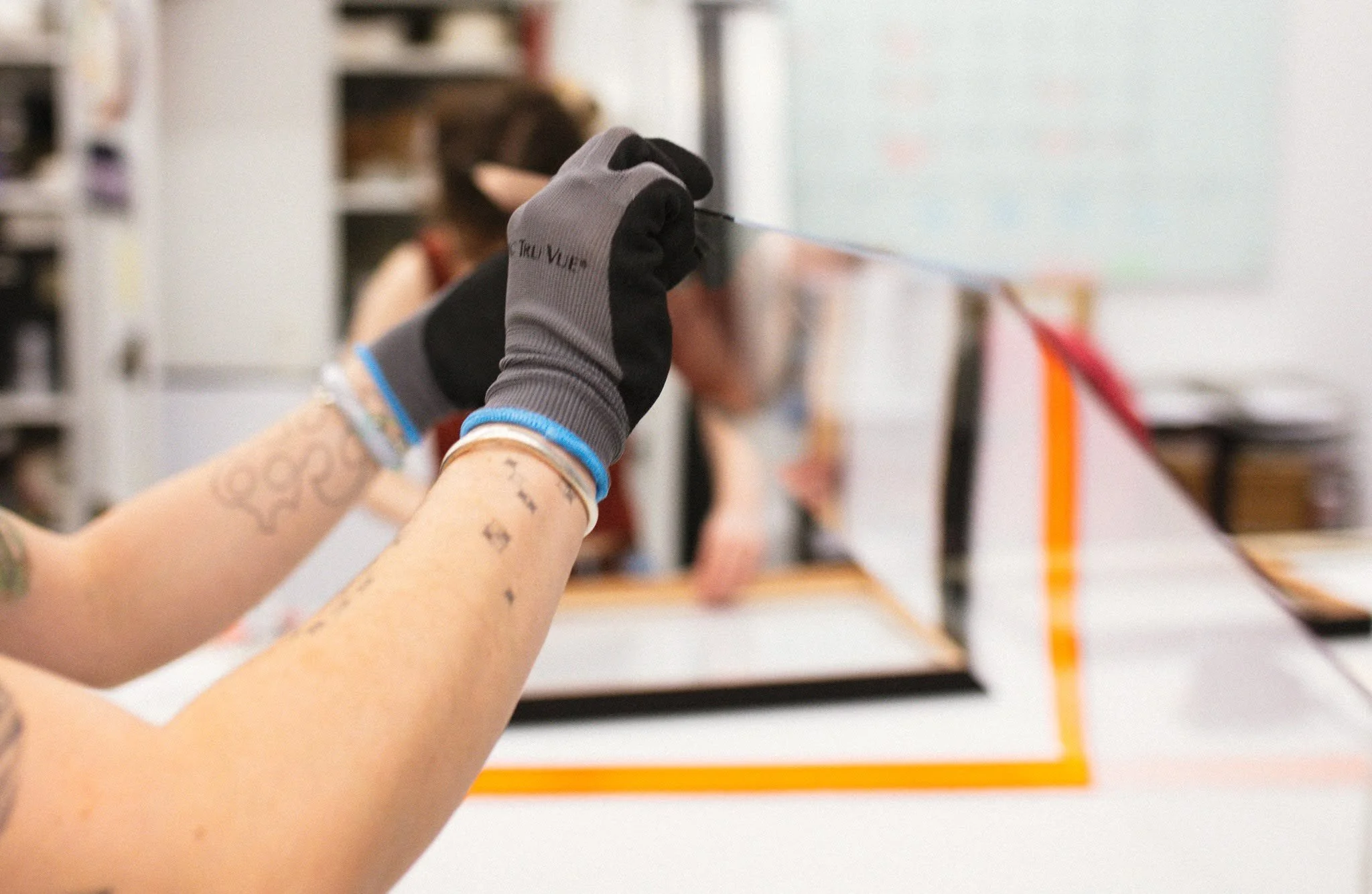
Custom wood frames are milled, joined, sanded and finished in-house. This provides greater control over the proportions, construction and final finish.
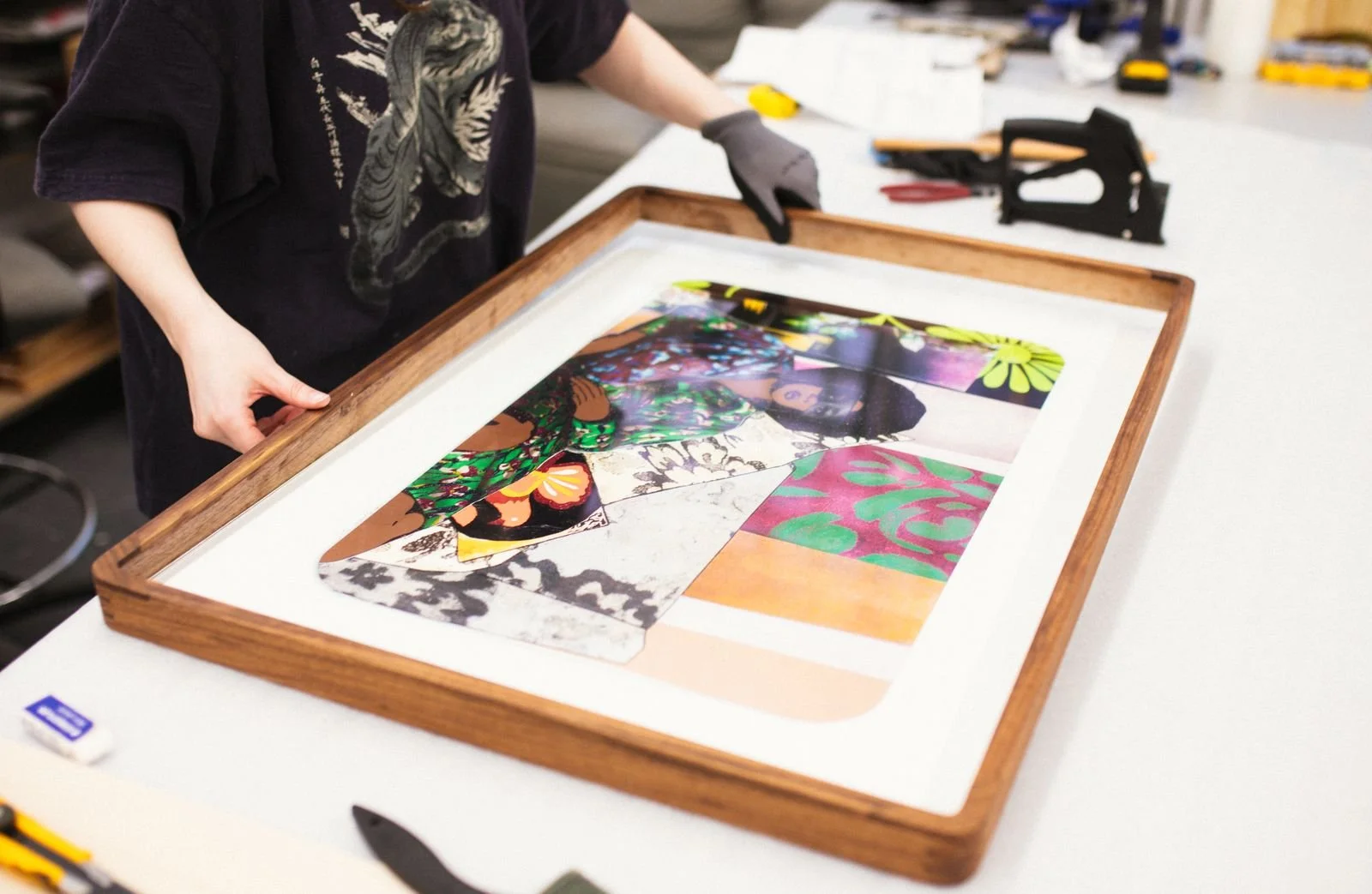
The frame, artwork, mounting, matting, spacers and glazing are assembled as one complete presentation in a dust-free environment.
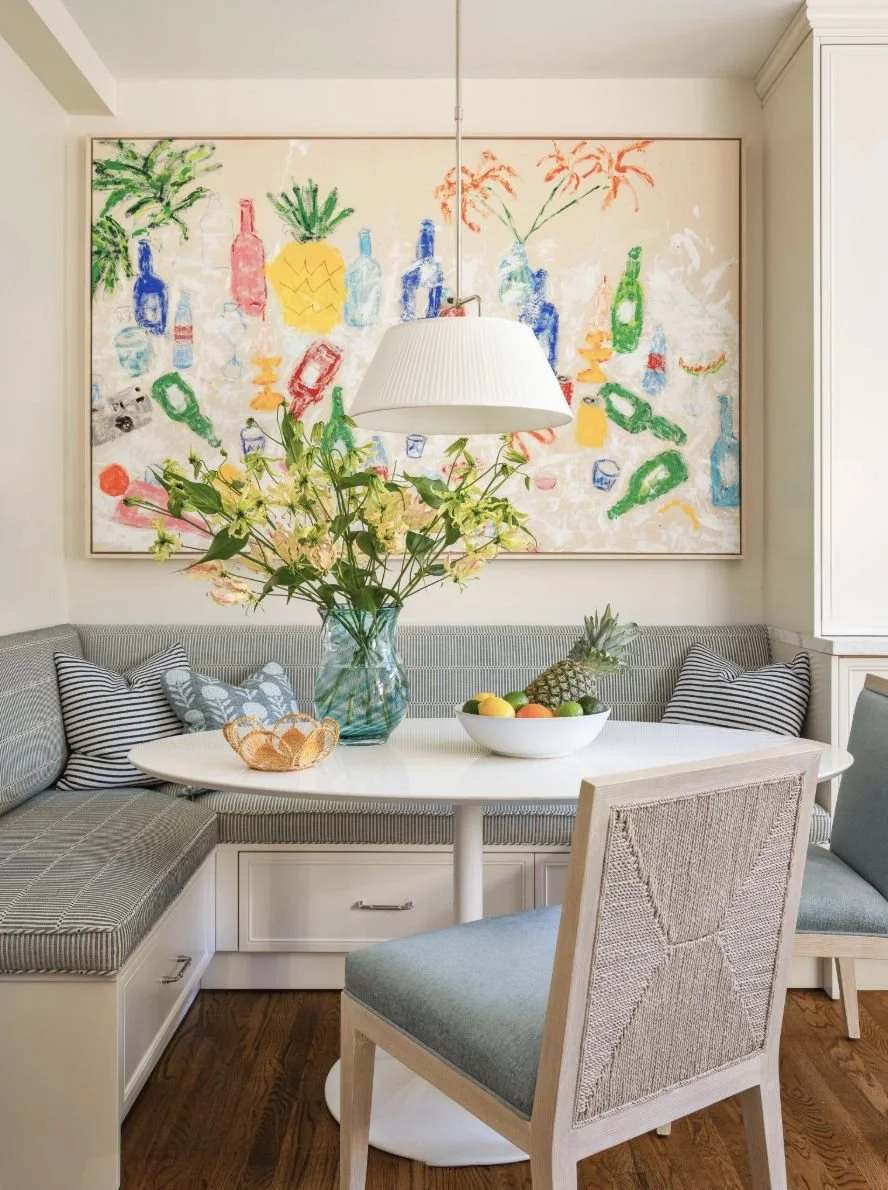
Conservation First Framing
At Woodman Frames, conservation framing is not an optional upgrade. It is the baseline for every project.
Every layer that touches the artwork is conservation-grade.
Depending on the artwork, the framing package may include:
100% cotton rag matboards
Acid-free backing materials
Archival spacers
Museum Glass or UV acrylic
Reversible hinging methods
Float or shadow mounting
Controlled space between the artwork and glazing
The materials and methods are selected according to the specific requirements of the artwork rather than applied as a standard package.
The result is a framing system that balances long-term preservation with a carefully considered presentation.

Wood Frames Built In-House From Raw Hardwood
Woodman Frames builds every custom wood frame entirely in-house, starting from raw, solid hardwoods.
Pre-cut or pre-joined commercial mouldings are never used. Raw timber is milled, shaped, joined, and hand-finished within the studio to ensure complete structural integrity and precise proportions tailored strictly to the artwork.
Solid hardwoods are milled with care and precision to create profiles that respond to the artwork’s scale, proportions, and presentation requirements.
Wenge
Bird's eye maple
Sapele
Tiger maple
Quarter-sawn white oak
Zebrawood
Wormy chestnut
Lacewood
Available woods may include:
Maple
Ash
Cherry
Oak
Walnut
Each piece of wood is considered for its grain, tone, stability, and relationship to the artwork.

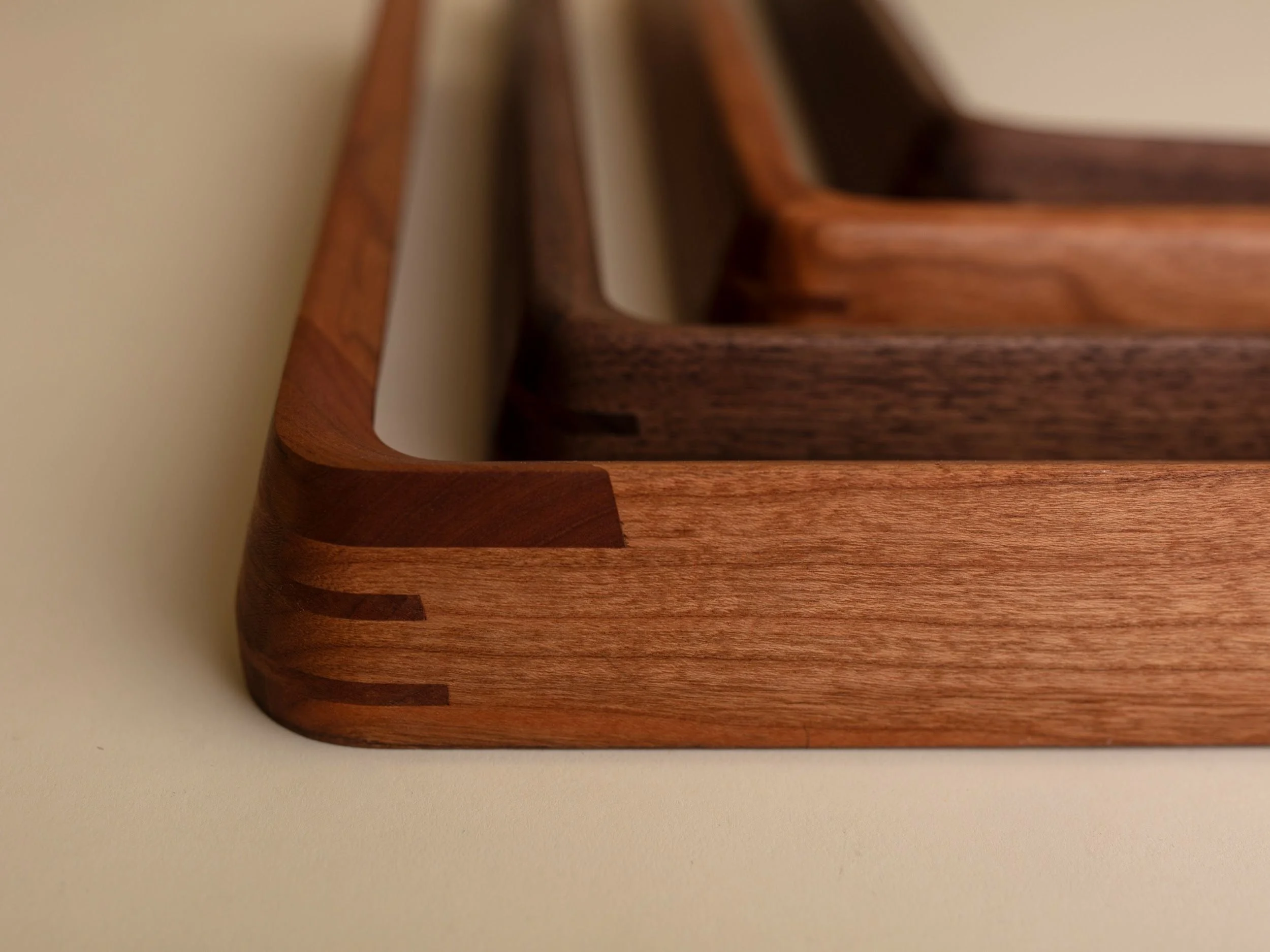
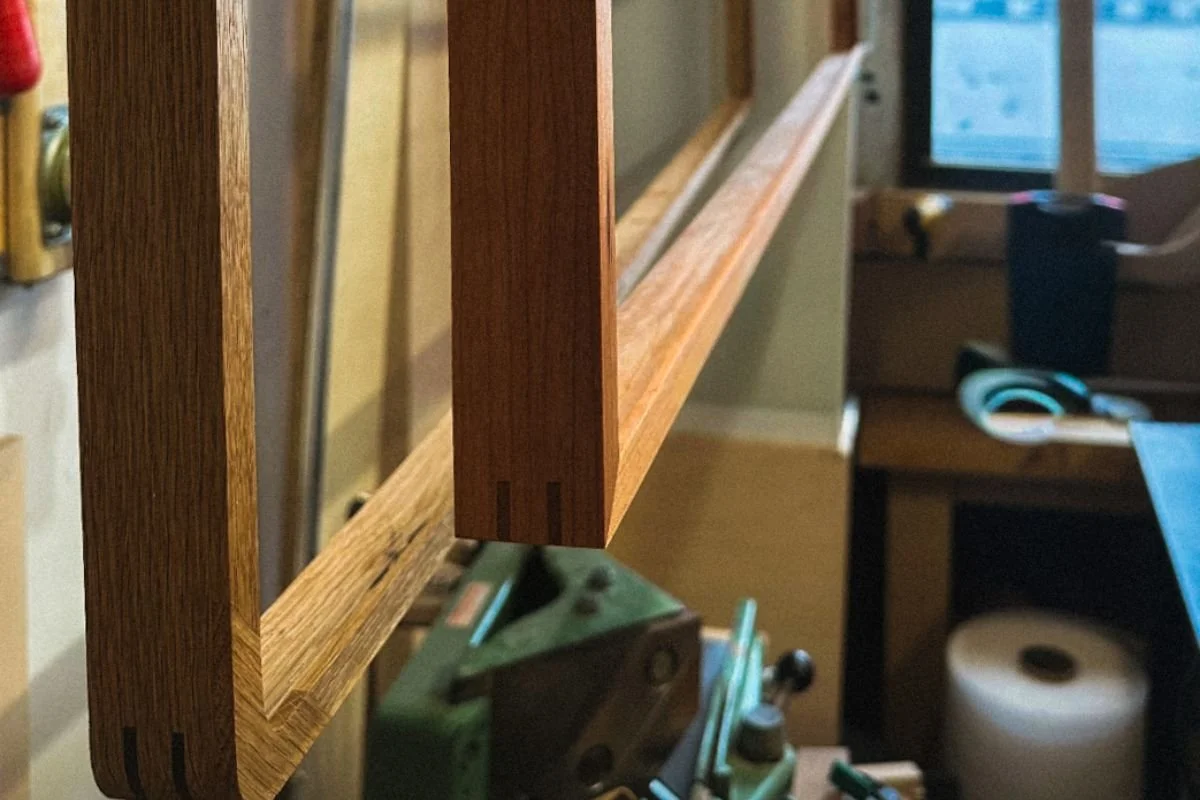
Custom frame profiles are constructed using precision spline joinery to ensure exceptional corner strength, stability, and seamless corner transitions. Each frame is then meticulously sanded and hand-finished in-house.
Finishing options may include:
Natural oils
Archival waxes
Lacquer
Painted finishes
Custom stains
Whitewash
Pigmented tones
Profiles can also include rounded, ripple, or sculpted forms, along with custom spacers or liners.
This process allows the frame to be developed around the artwork instead of forcing the artwork into an off-the-shelf solution.
Materials That Protect the Artwork
The quality of a framing system depends on more than the visible frame. The materials placed behind, around, and in front of the artwork all affect its presentation and long-term stability.
Woodman Frames uses conservation-level materials selected for stability, compatibility, and reversibility.
Every material is considered as part of the complete framing system rather than as an isolated decorative choice.
Solid domestic and selected specialty hardwoods are milled in-house. Precision fabricated aluminum may also be used for metal and mixed-material frames.
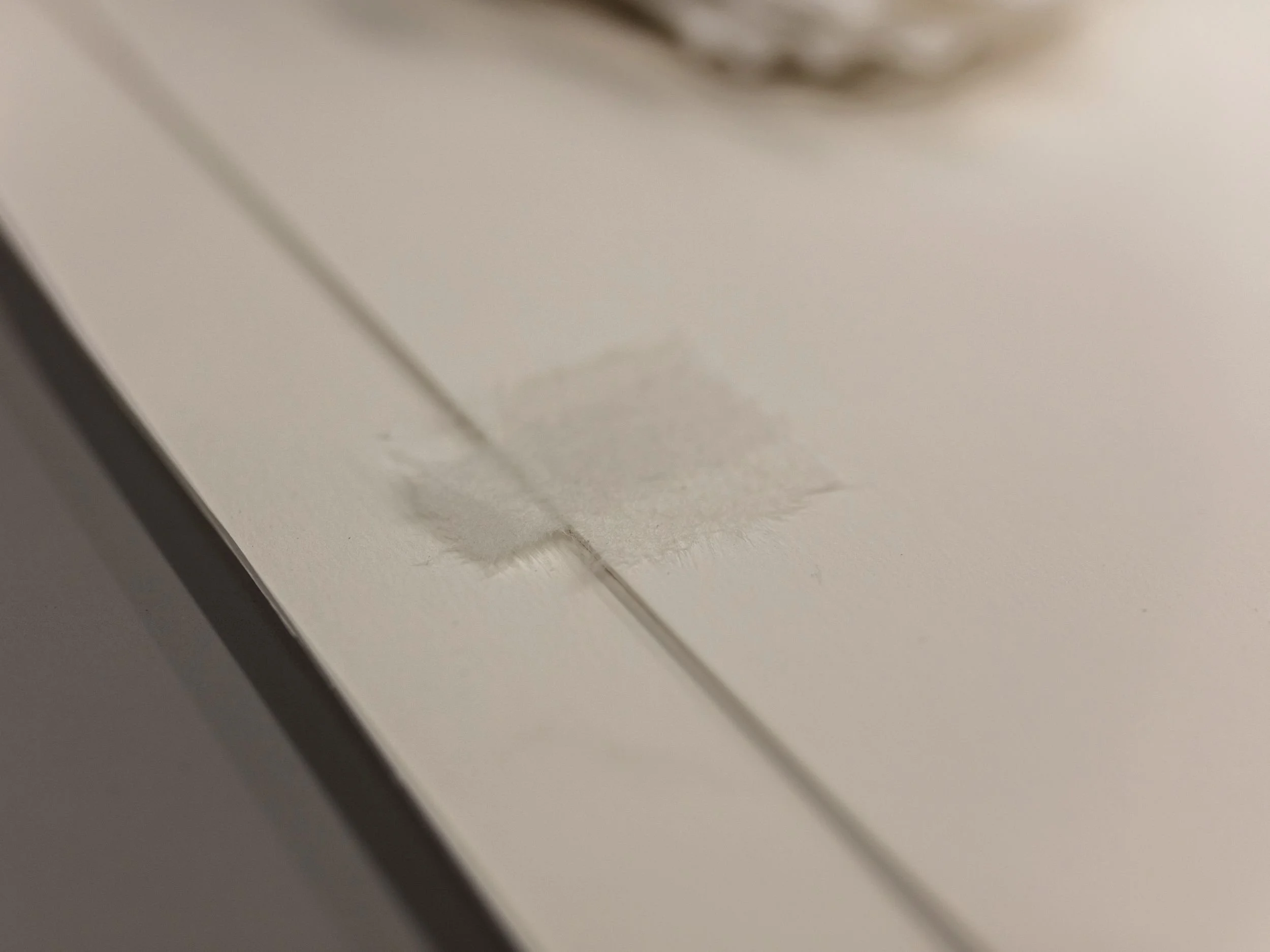
When you frame matted artwork, the mat and the backing do two different jobs. The mat sets the space around the piece and separates it from the glazing. The backing supports it from behind. At Woodman Frames, both are made from archival materials as part of every frame package.
Both sit in direct or near contact with the art, which is why the material matters as much as the design.
Reversible hinging, archival spacers, and conservation-appropriate mounting materials are selected according to the artwork.
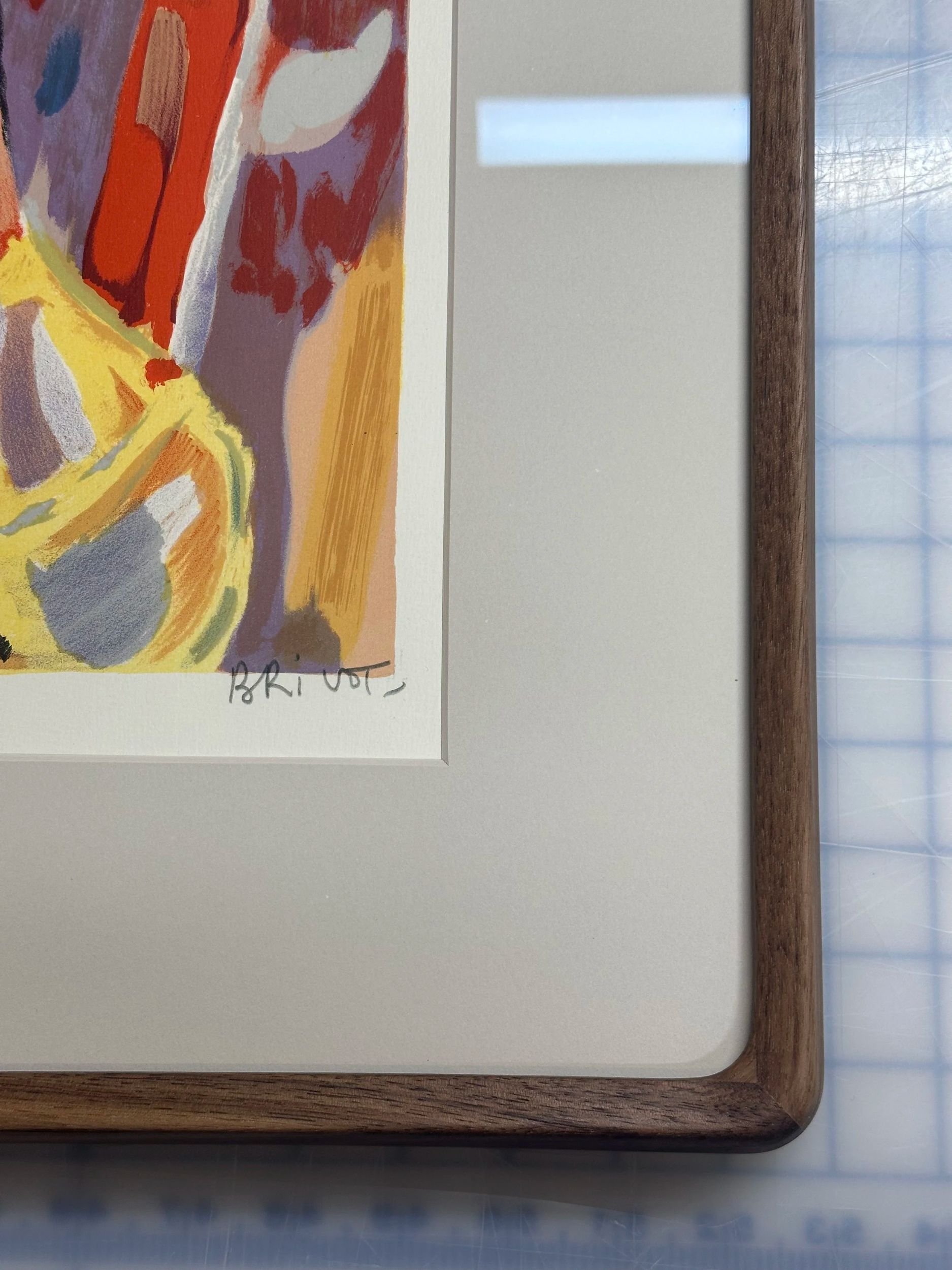
As part of our Long Island City custom framing, Woodman Frames treats picture frame glazing as a design and conservation decision made for each piece. Glazing is the clear layer a viewer looks through every time they see the work, so the choice shapes both how the artwork reads and how it is protected.
The right glazing protects the work while staying out of the way. That balance is different for a small drawing in a bright room than for a large photograph under gallery light.
Frames may be completed using oils, archival waxes, stains, lacquer, painted finishes or pigmented tones selected to complement the artwork and frame.
Frame Profiles Designed Around the Artwork
The frame profile affects the depth, visual weight, and overall balance of the presentation.
Rather than treating the frame as a separate object, Woodman Frames develops each profile in relation to the artwork.
Slim profiles create a restrained border that defines the artwork without introducing unnecessary visual weight. The profile can be developed around the artwork’s scale, proportions, and overall presentation.
Deeper profiles create greater physical and visual depth. They may also provide space for float mounting, shadow mounting, spacers or dimensional artwork. The additional depth can be considered alongside the artwork and the requirements of the finished frame.
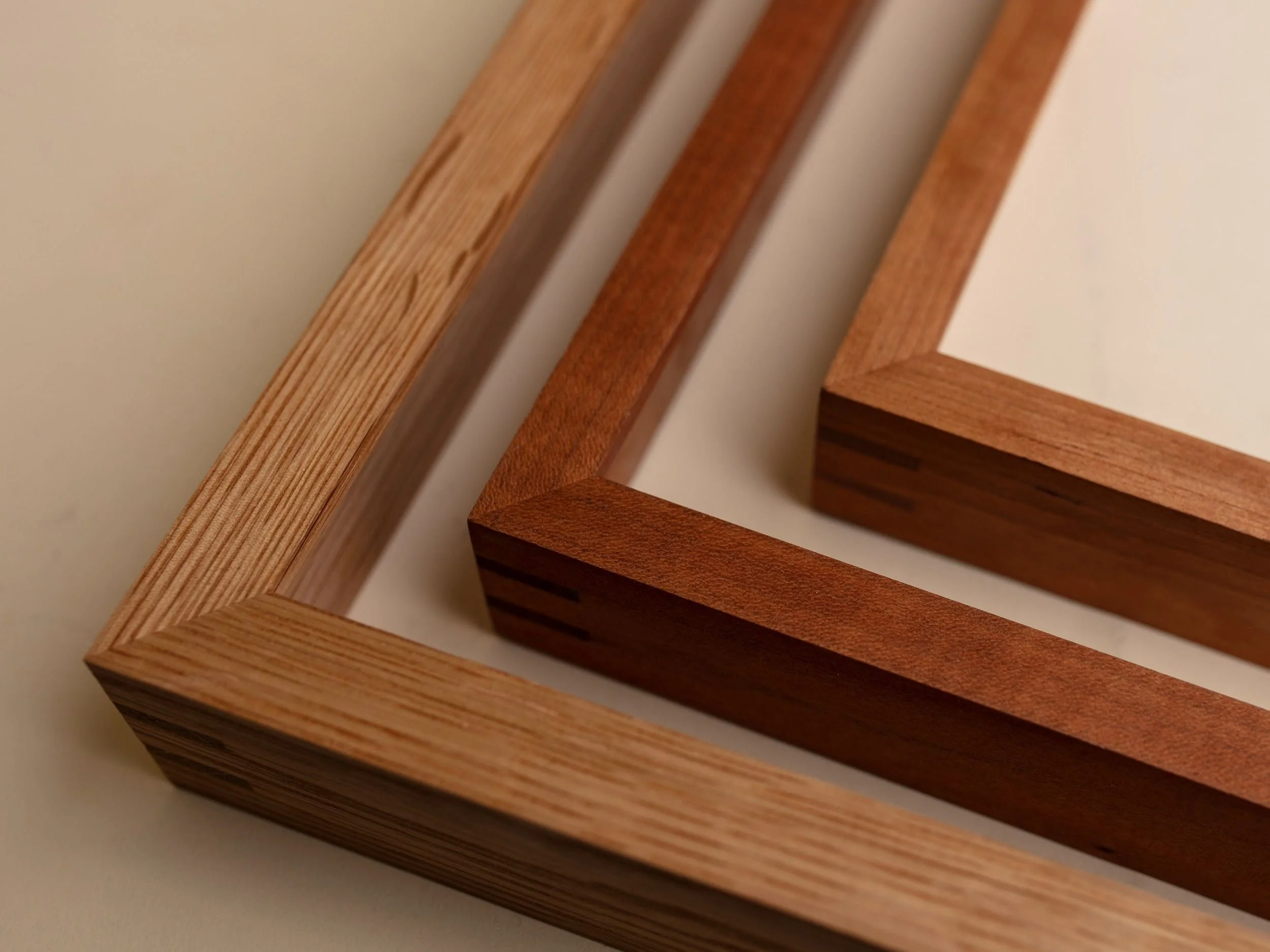
Woodman Frames builds custom wood frames from solid hardwood, milled, joined, sanded, and finished in-house. That lets the width, depth, shape, and finish of each frame be developed around a specific piece of art. The same care applies to a single drawing or a full collection.
A frame should support the work without competing with it. Every decision in custom wood framing starts there.
Spacers and liners introduce controlled depth, separation, and visual structure within the finished frame. They can be developed to match the artwork and the depth required in the framing design.
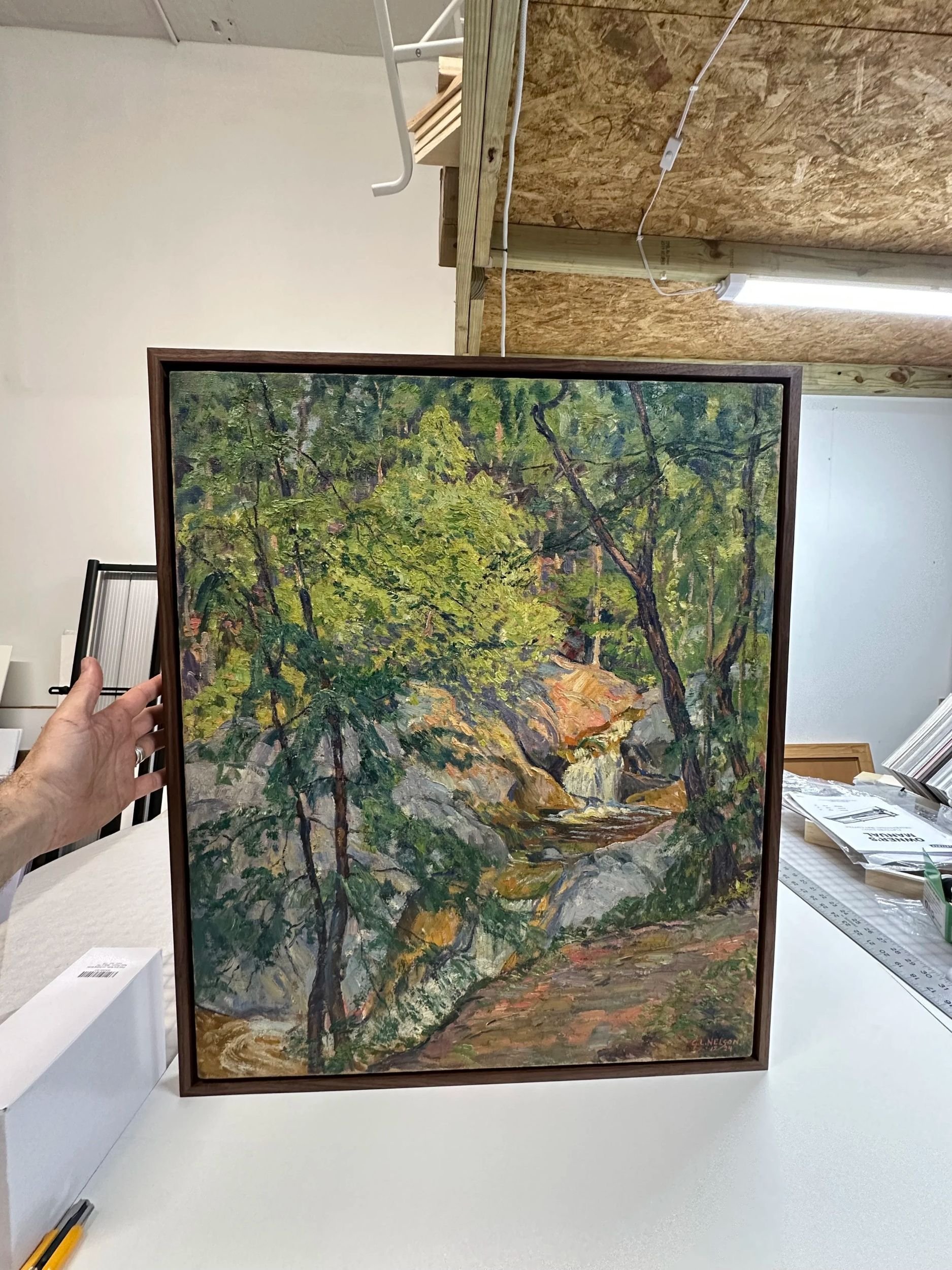
A floater frame holds a painting from behind and leaves a narrow gap around its edges. The canvas appears to sit inside the frame rather than under a lip, and the painted edges stay in view. Woodman Frames makes canvas floater frames in its Long Island City custom framing studio. Hardwood floaters are milled, joined, and finished in-house, and aluminum and metal floaters are assembled in the studio. Each frame is fitted to exact clearances around the painting it will hold.
The effect depends on precision. A gap that is uneven by a small amount is visible all the way around the work. That is why every floater is built around the painting it will hold.
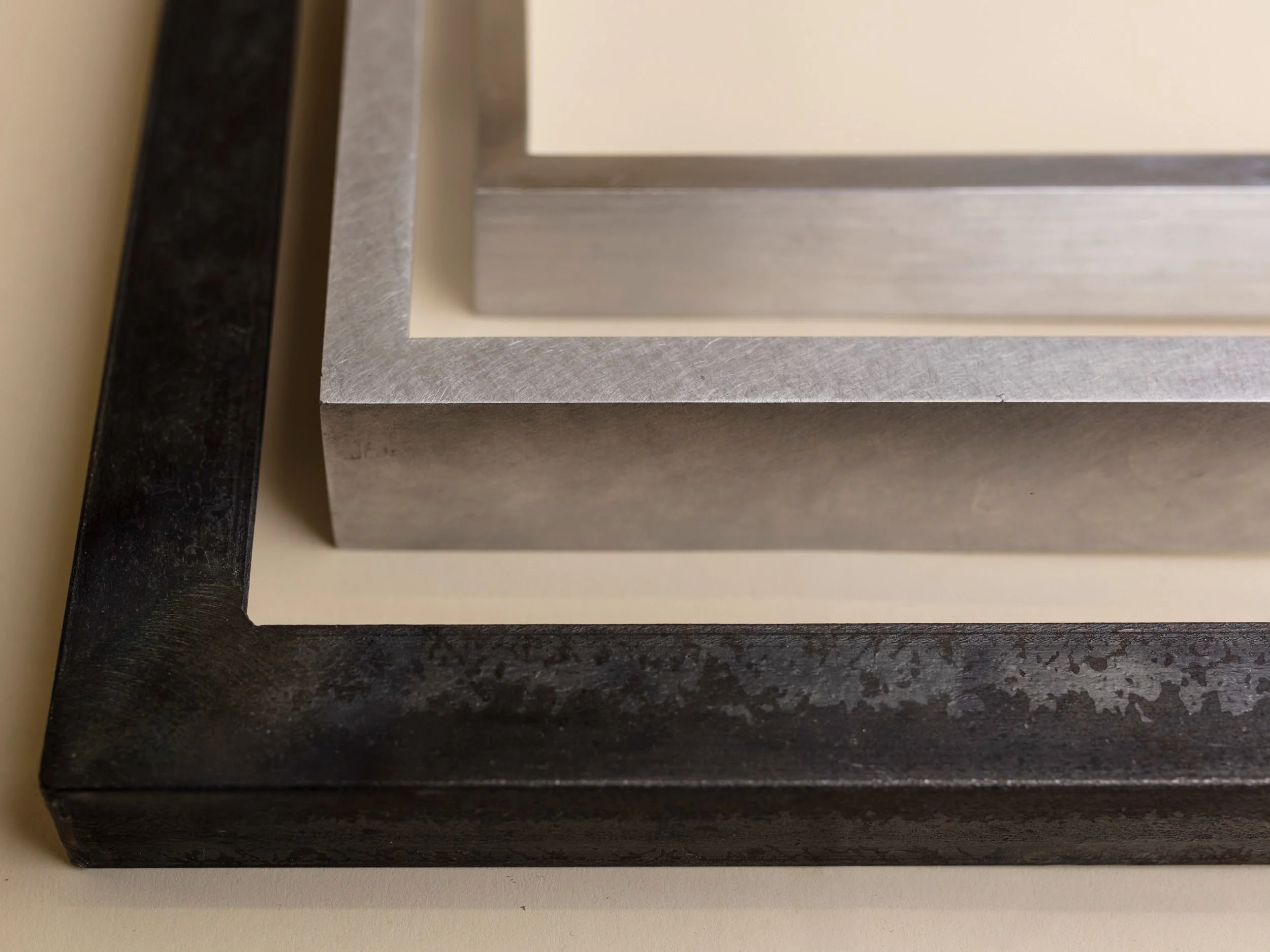
Some artwork calls for a different material language than wood. Woodman Frames designs metal frames in precision-fabricated aluminum, along with hybrid designs that pair metal with wood.
A metal frame can be very restrained, drawing a thin line around the image. It can also carry more presence where the piece and the room call for it.
What We Frame
Woodman Frames is a specialized custom frame shop focused on fine art, photography, collections, and exhibition-level work.
In-house canvas stretching, custom strainers, and canvas floaters developed for the scale, medium, and structure of the painting.
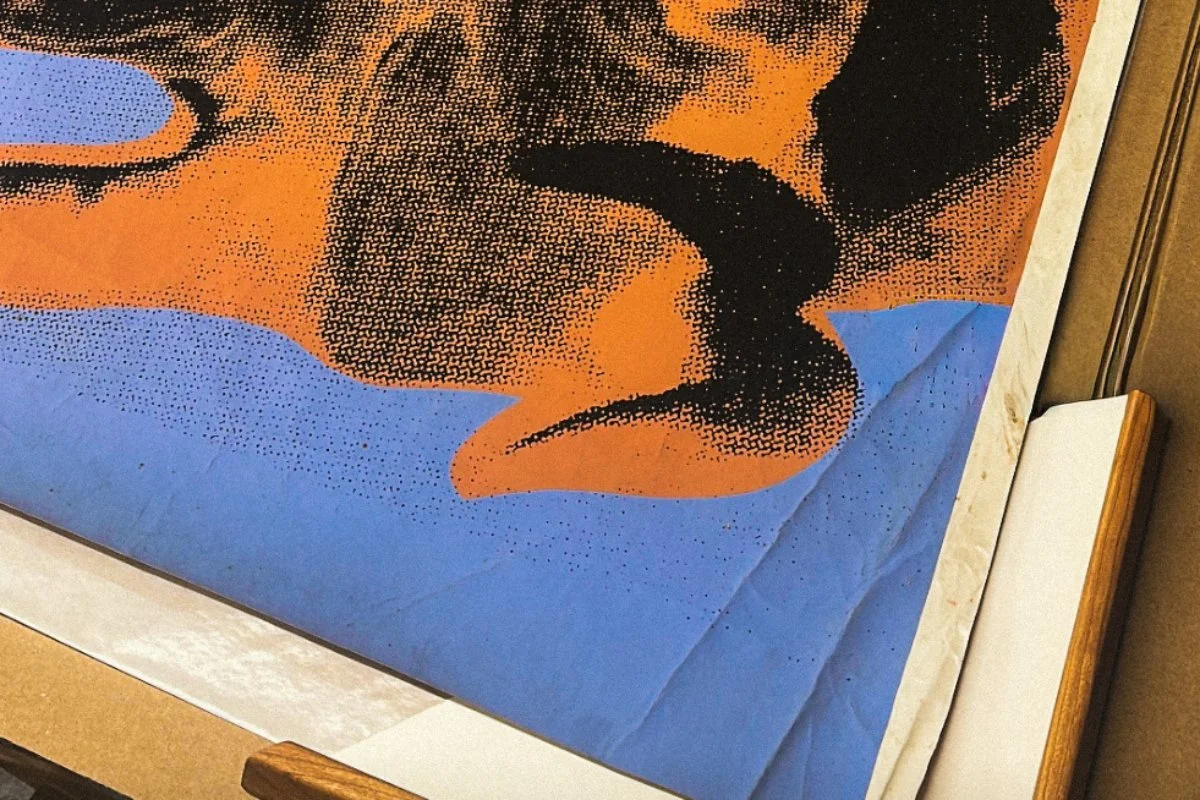
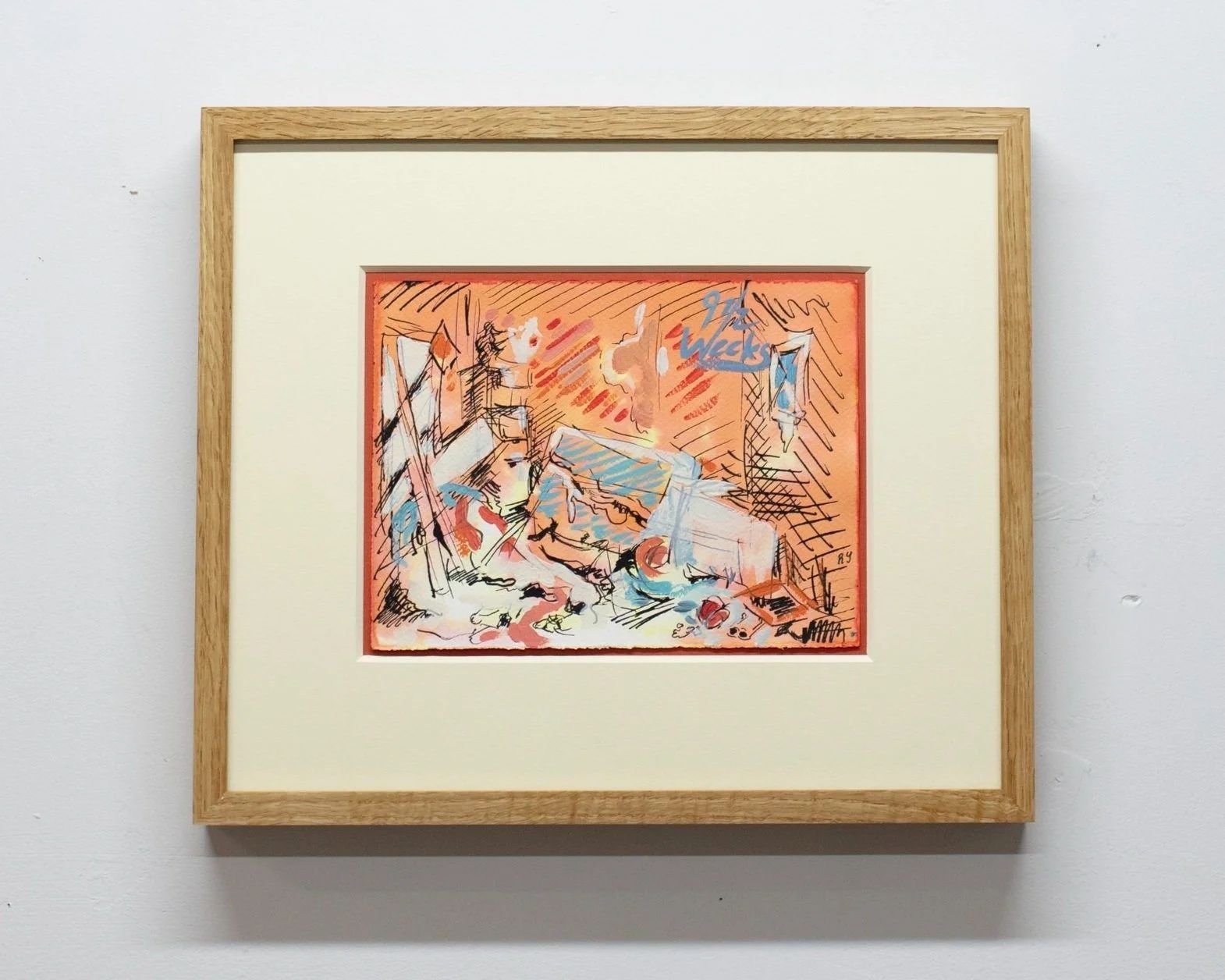
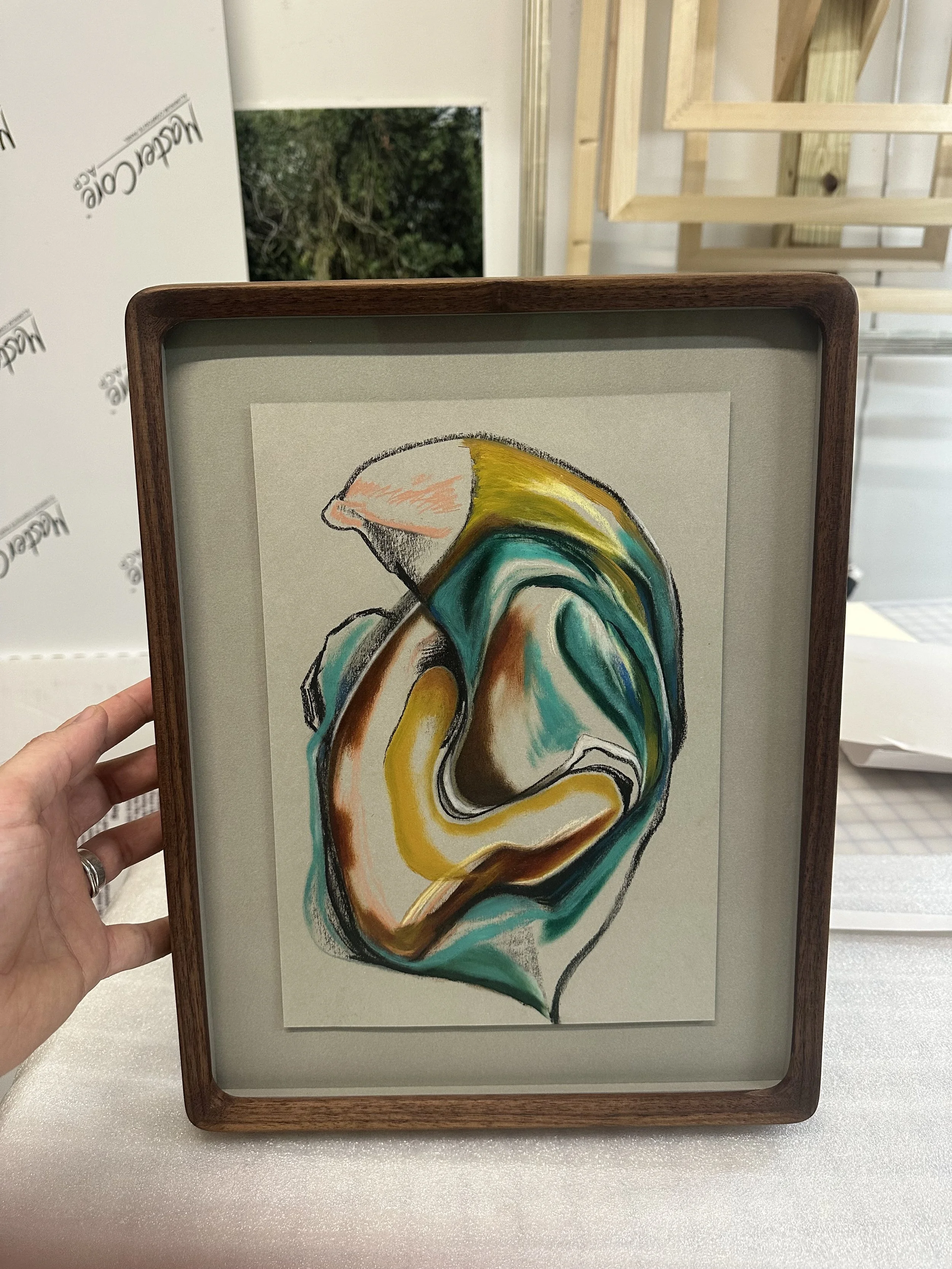
Paper responds to everything around it. Light, the materials it touches, and the way it is held all affect how a drawing, print, or watercolor changes over time. Woodman Frames approaches framing works on paper with that sensitivity in mind, choosing every material and method for the specific sheet.
The aim is a frame that presents the work clearly and leaves it free to be removed, treated, or reframed later. Nothing in the frame should become part of the artwork.
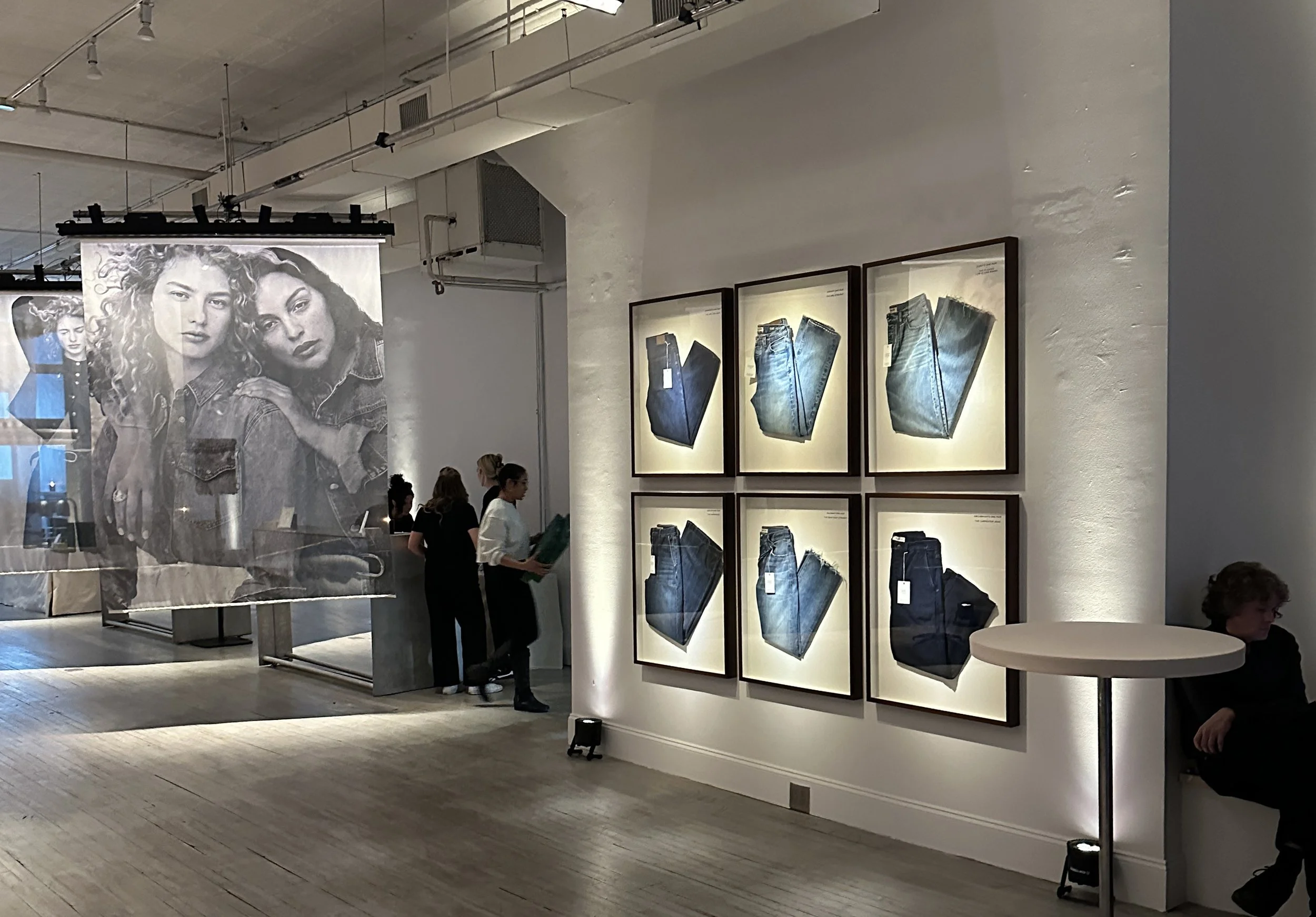
Framing systems developed around the materials, depth and structural requirements of mixed media work.

Archival mounting and framing for fine art photography, C prints, RC papers and contemporary photographic editions.
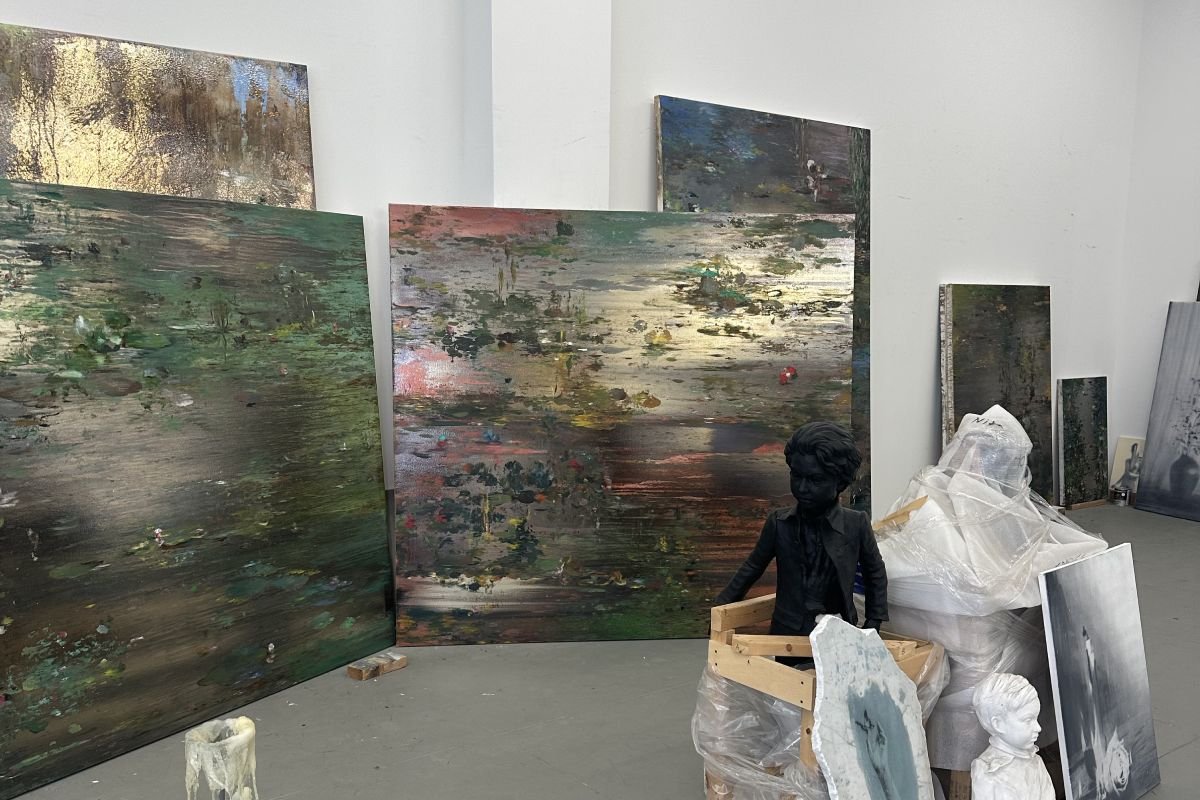
Custom strainers, reinforced backing systems and carefully planned fabrication for large-scale and exhibition-size artworks.

Considered framing for limited edition prints and photographs requiring precise mounting, matting, glazing and presentation.
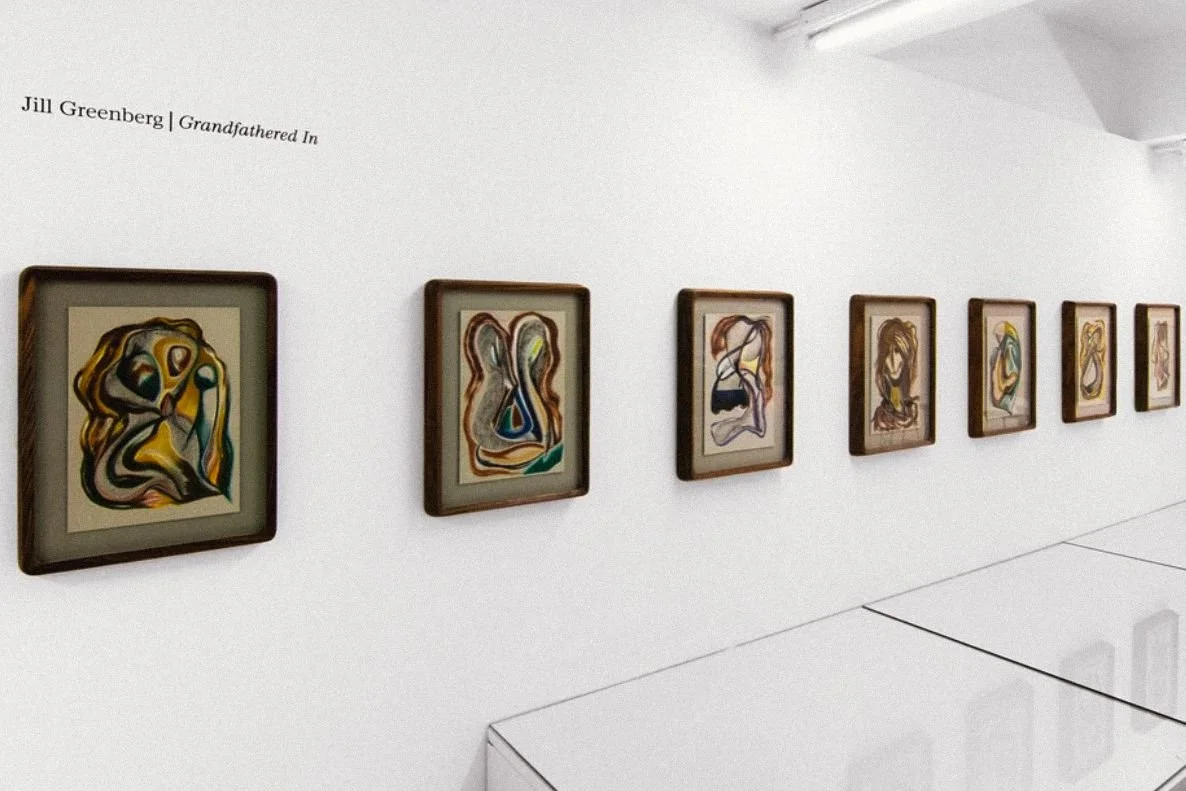
Consistent frame profiles, materials and finishes for private, gallery, corporate and exhibition collections.
Who We Work With
Woodman Frames works with clients who require specialist framing, considered design, and conservation-level presentation.
Archival framing for individual acquisitions and wider collections, with each solution developed according to the artwork’s requirements.
Custom framing for artists preparing work for exhibitions, gallery presentation, collectors or permanent display.
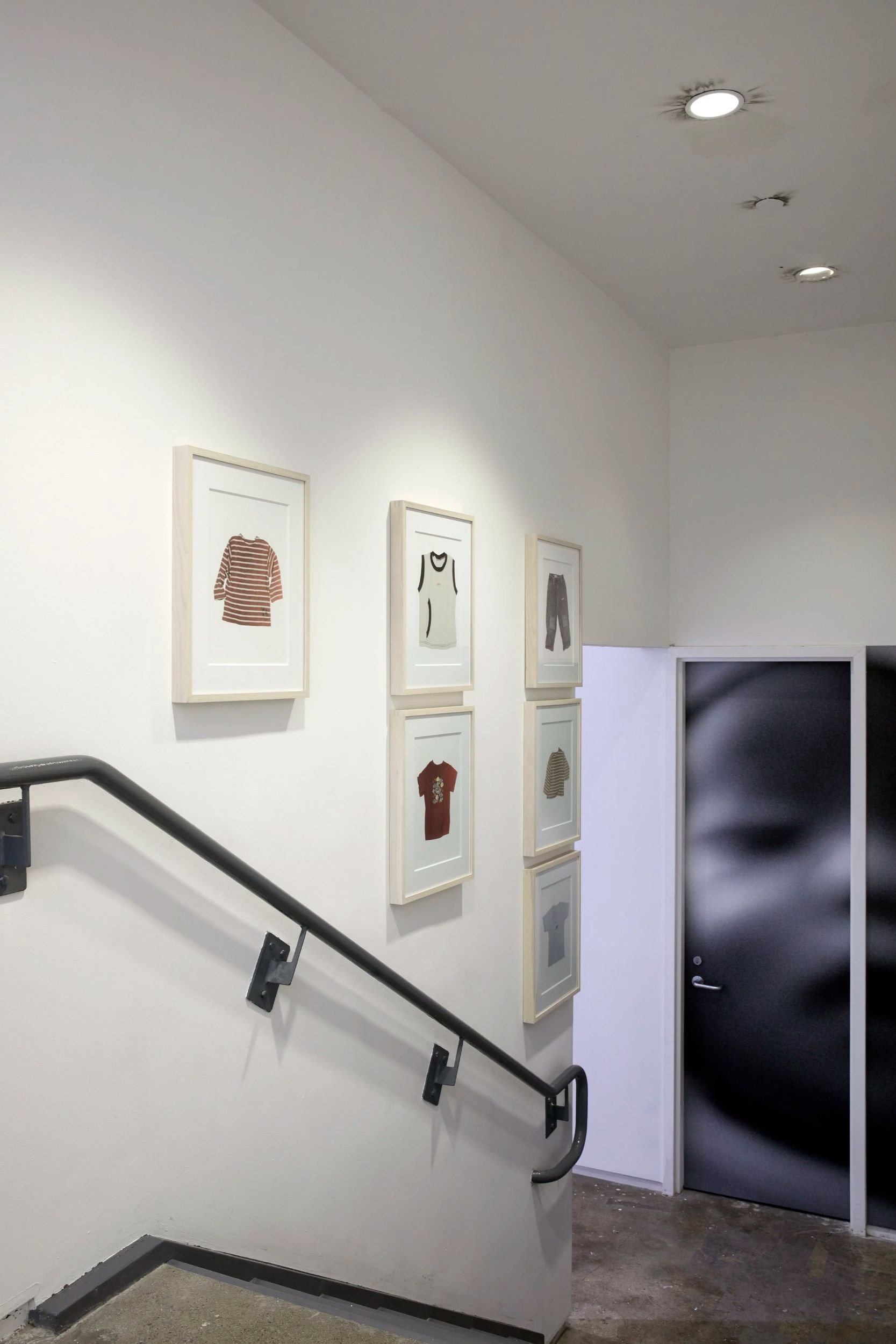
A gallery show is judged as a whole. When the frames in a room vary in finish, depth, or proportion, visitors notice before they know why. As a Long Island City custom framing studio, Woodman Frames provides framing services for galleries that need a body of work to read as one group. We build every frame to a shared specification.
We design, mill, join, and finish each wooden frame in-house, so the specification agreed at the start is the one that reaches the wall.
A specialist framing partner for advisors coordinating acquisitions, installations and private collections.
Custom profiles and finishes developed to support both the artwork and the wider interior environment.
Framing and display solutions considered in relation to materials, scale and architectural context.
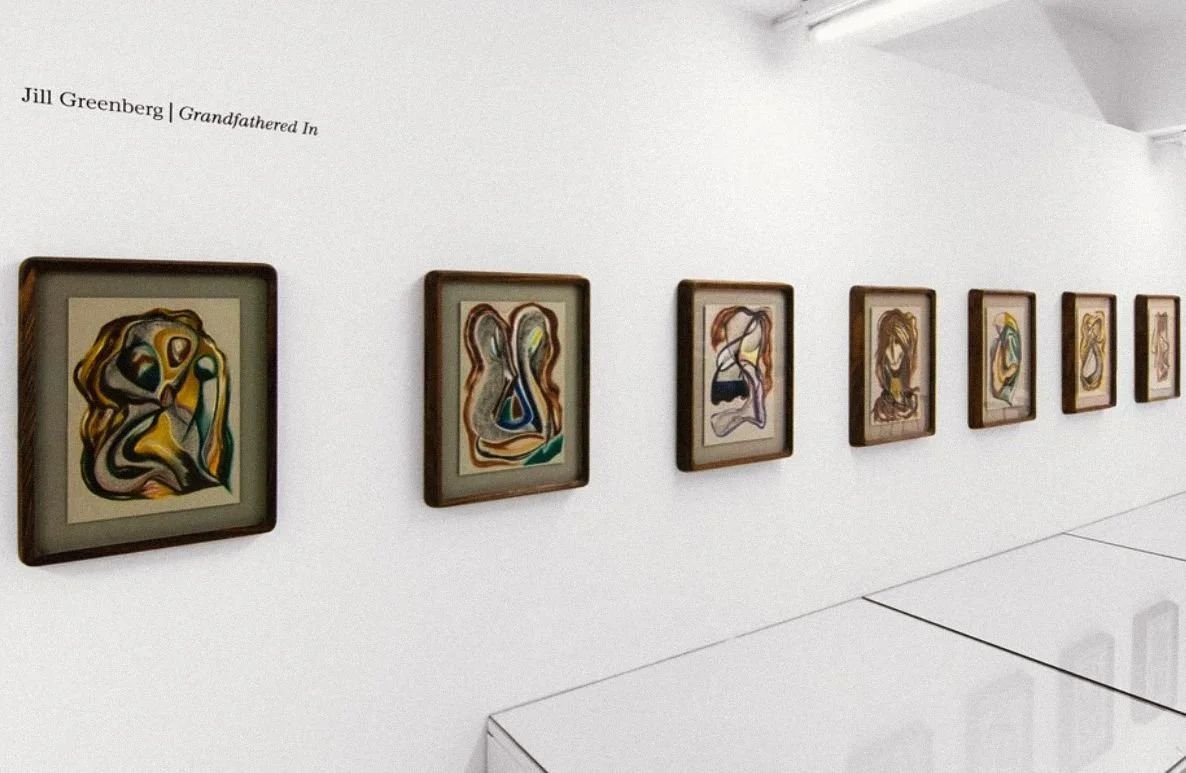
A corporate collection is seen every day by staff, clients, and visitors, often across several floors or offices. Woodman Frames provides corporate art framing for companies that want their collection presented with consistency and cared for to the same standard as a private collection. All work is designed and built at our Long Island City custom framing studio, which serves companies throughout New York City.
Each wooden frame is designed, milled, joined, and finished in-house, which makes it practical to repeat one specification across many pieces.
How Our Custom Framing Process Works
We review the artwork, presentation goals, scale, budget, and project timeline, considering its framing needs, preservation requirements, and final display.
Frame profiles, woods, finishes, mats, mounting methods, spacers, and glazing are selected according to the artwork and its preservation requirements.
The frame is milled, joined, sanded, and finished in-house to precise tolerances, with each stage developed around the artwork and selected materials.
The artwork is mounted using archival methods, then assembled in a dust-free environment with glazing selected according to the artwork.
Finished work is packaged for pickup from the studio, and we can coordinate with professional art handlers on request.
Glazing That Protects Without Distracting
Glazing creates a protective barrier in front of the artwork. The appropriate option must protect while allowing the work to remain clearly visible.
The glazing is chosen according to the artwork type, size, frame construction, mounting method, and intended presentation environment.
Mounting, Float Mounting and Photo Mounting
Mounting plays an important role in both artwork presentation and preservation.
The method is selected according to the artwork type, substrate, stability, scale and intended visual result. Depending on the piece, this may include reversible hinging, float mounting, shadow mounting or archival photographic mounting.
Japanese tissue and wheat paste may be used for reversible hinging, with BEVA hinges used where appropriate. Photographs and contemporary editions may require specialist mounting methods selected according to the work and its substrate.
All mounting is completed in a dust free environment using conservation-appropriate materials. The objective is to provide a secure, precise presentation without compromising the artwork.
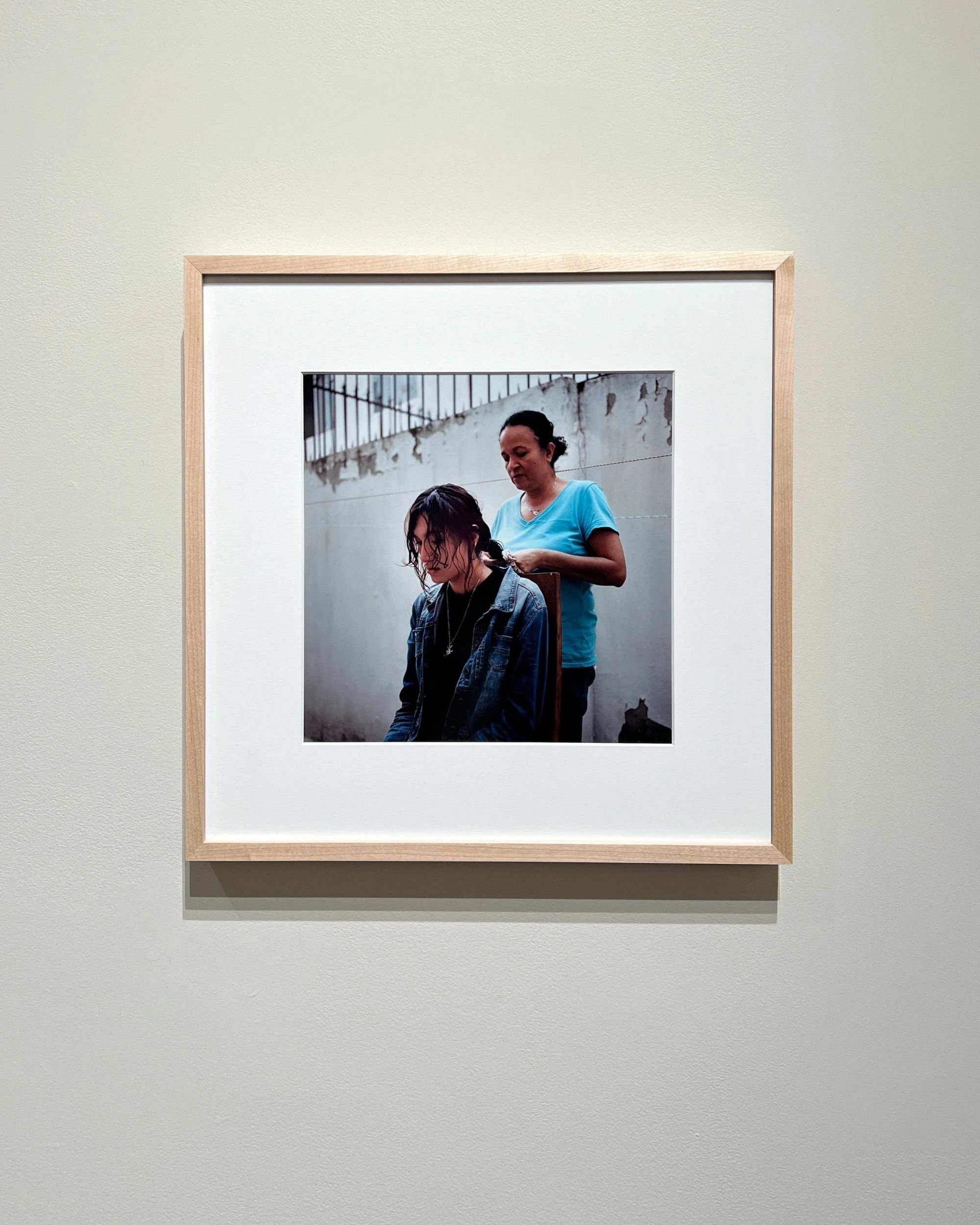
Museum Glass is a UV-filtering glass chosen when clarity and reflection control matter most. Woodman Frames offers Museum Glass framing as part of a complete archival frame package, built in our Long Island City custom framing studio. We recommend it where those qualities make a visible difference.
The right glazing depends on the piece, its size, and the room it will hang in. For some works, UV acrylic is the better fit, and we say so.
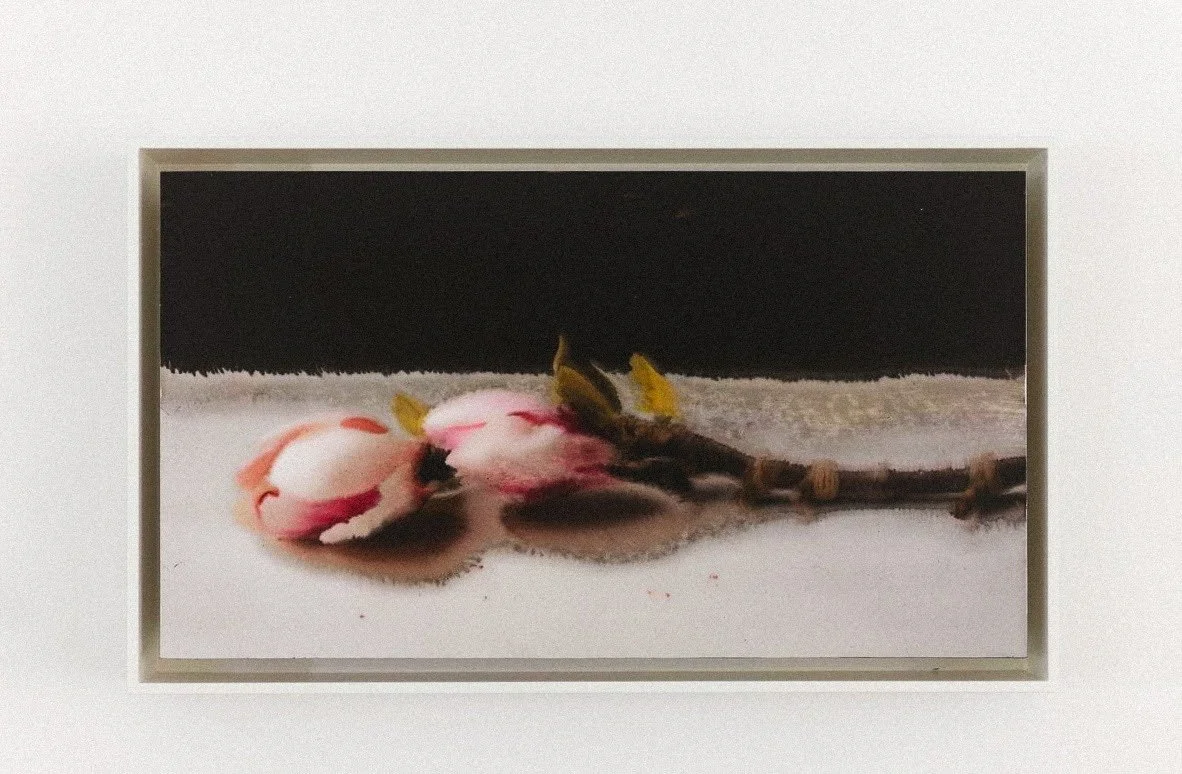
Glazing is the layer between the artwork and the room, and the choice of material affects clarity, weight, and how the frame is built. Woodman Frames offers UV acrylic as a conservation glazing option alongside Museum Glass. We select it when a piece’s size, weight, or setting makes it the better fit.
There is no single best glazing for every piece. The choice is made for the artwork.
Optium Museum Acrylic may be selected for projects requiring lightweight, anti-reflective and static-resistant glazing for selected conservation projects.
Framing Built for Collectors and Art Professionals
Woodman Frames serves collectors, artists, galleries, art advisors, interior designers, architects, and corporate collections.
Every project receives the same focus on conservation-level materials, precise fabrication, and thoughtful frame design.
Whether framing a single artwork, preparing an exhibition, or establishing consistent specifications across a collection, the objective remains the same: protect the artwork and present it with clarity.
For Designers, Advisors, Galleries & Trade Professionals
Woodman Frames provides structured support for professionals managing exhibitions, installations, collections, and recurring framing projects.
Support may include:
Standard framing specifications
Trade pricing
Coordinated project timelines
Consistent frame profiles and finishes
Recurring project support
Consultations at the studio or over Zoom
Coordination with professional art handlers on request
The objective is to provide dependable framing support while maintaining consistent fabrication and finish quality across every project.
FAQs About Custom Framing
-
A custom framing service may include consultation, frame design, profile selection, material selection, fabrication, matting, mounting, glazing, and final assembly.
At Woodman Frames, these components are considered together as one complete framing system developed around the artwork.
-
Conservation framing uses stable, conservation-grade materials intended to protect the artwork.
-
No. Conservation-level framing is the baseline for all work completed by Woodman Frames.
-
Materials may include solid hardwoods, precision-fabricated aluminum, cotton rag matboards, acid-free backing, archival spacers, reversible mounting materials, Museum Glass, and UV acrylic.
The final selection depends on the artwork and framing design.
-
Museum Glass provides high clarity and reduced reflection. UV acrylic is a lightweight protective alternative that may be appropriate for large-scale or specialist framing projects.
The most suitable option is selected according to the artwork, size, construction and presentation requirements.
-
The cost is influenced by the size of the artwork, frame material, profile, finish, mounting method, matting, glazing and fabrication requirements.
Budget is reviewed during the initial consultation so the framing design can be developed accordingly.
-
The timeline depends on the scale, selected materials, finish, mounting requirements, and complexity of the project.
The expected timeline is reviewed during the consultation before fabrication begins.
-
All mounting methods are reversible except cold mounting, which is permanent. Artwork mounted with a reversible method can be removed from the frame later.
-
The consultation reviews the artwork, presentation goals, scale, budget and timeline. Frame profiles, materials, finishes, mounting, matting, spacers, and glazing can then be considered according to the requirements of the work.
Book a Consultation