
Museum Quality Custom Framing Service for Fine Art, Photography and Collections
Woodman Frames provides museum-quality custom framing for fine art, photography, and collections. Every project combines thoughtful frame design, precise in-house craftsmanship, and conservation-level materials selected to protect the artwork.
Every frame is built entirely in-house from raw, solid hardwoods, never utilizing pre-cut, pre-finished, or pre-joined moulding. From the initial consultation through milling, joinery, mounting, glazing, and final assembly, each element is developed around the artwork, its scale, and its long-term preservation requirements.
What Our Custom Framing Service Includes
Professional custom framing involves more than placing artwork inside a frame. The profile, materials, mounting method, glazing, and construction must work together to support the artwork visually and physically.
Woodman Frames approaches every project as a complete framing system.
The process begins with a review of the artwork, presentation goals, scale, budget, and timeline. These details guide the design and technical decisions that follow.
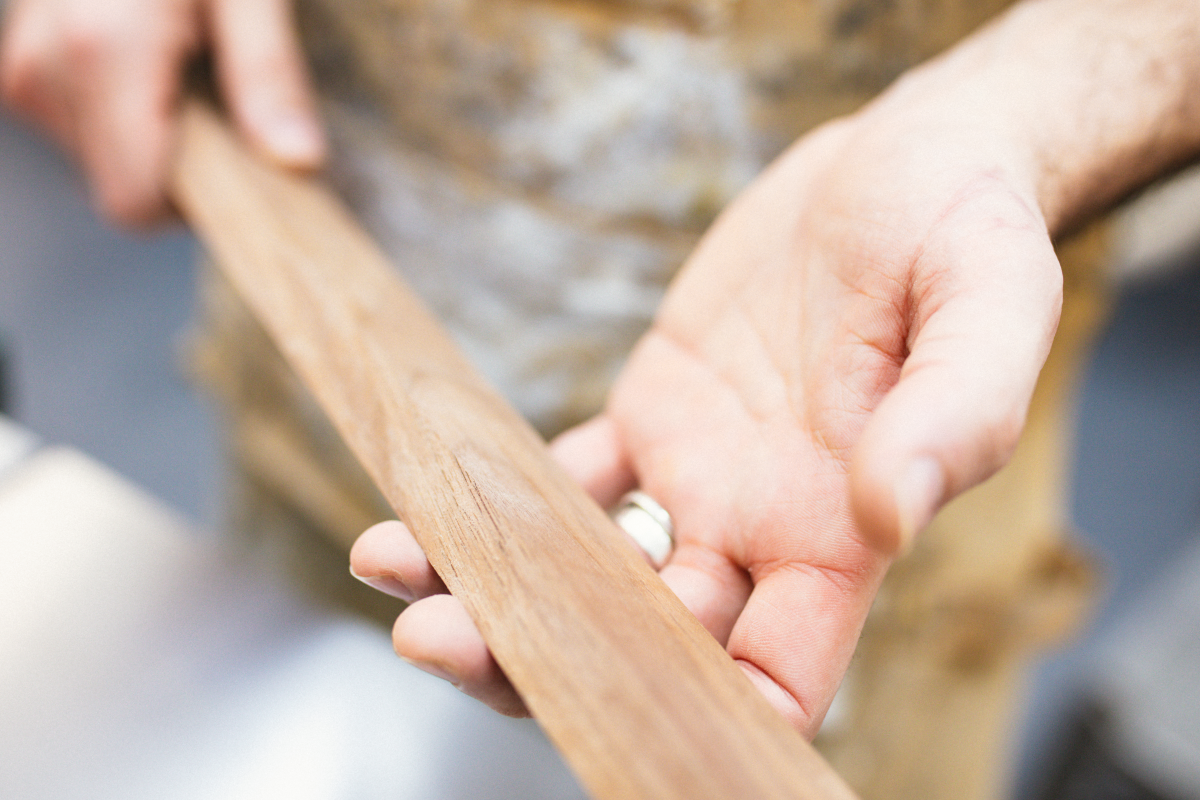
The frame profile is selected or designed according to the artwork’s proportions, depth, medium, and visual character. Wood, metal, spacers, liners and finishes are considered as part of the overall presentation.
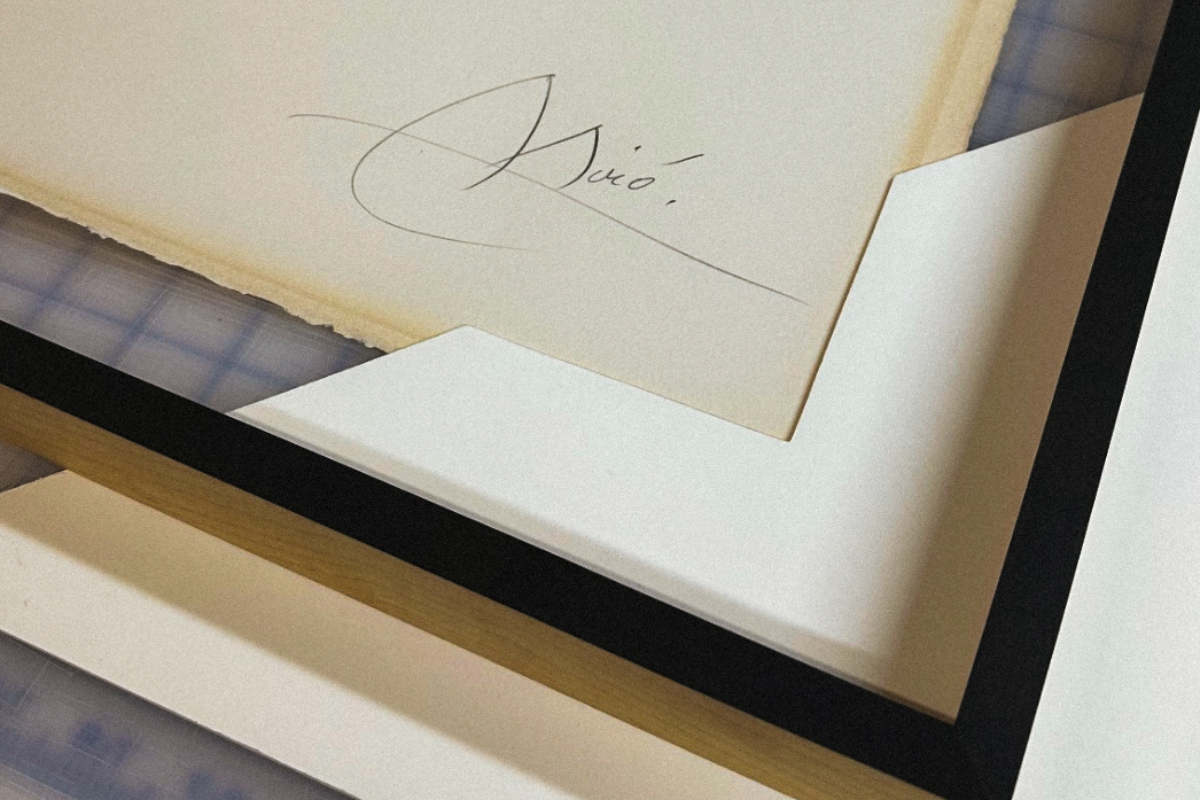
Every material that touches or surrounds the artwork is selected according to conservation requirements. Conservation-grade and fully reversible framing methods are the standard for every project.
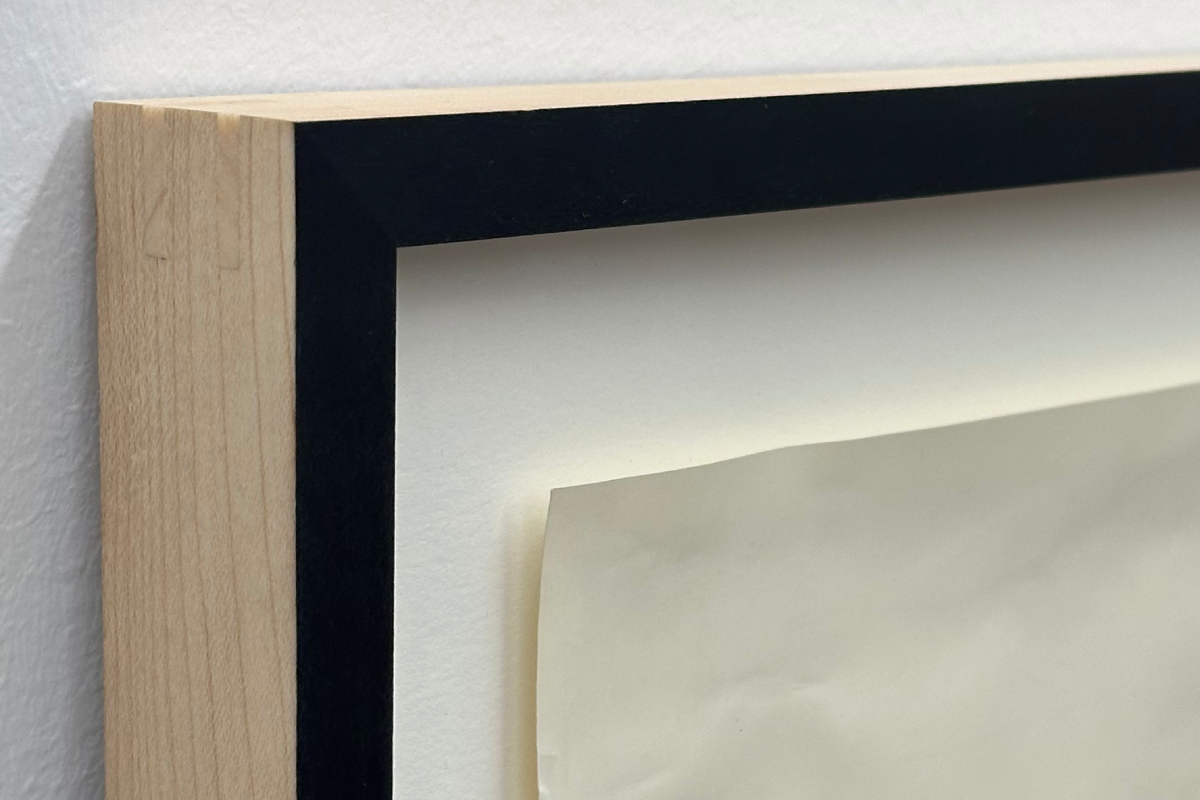
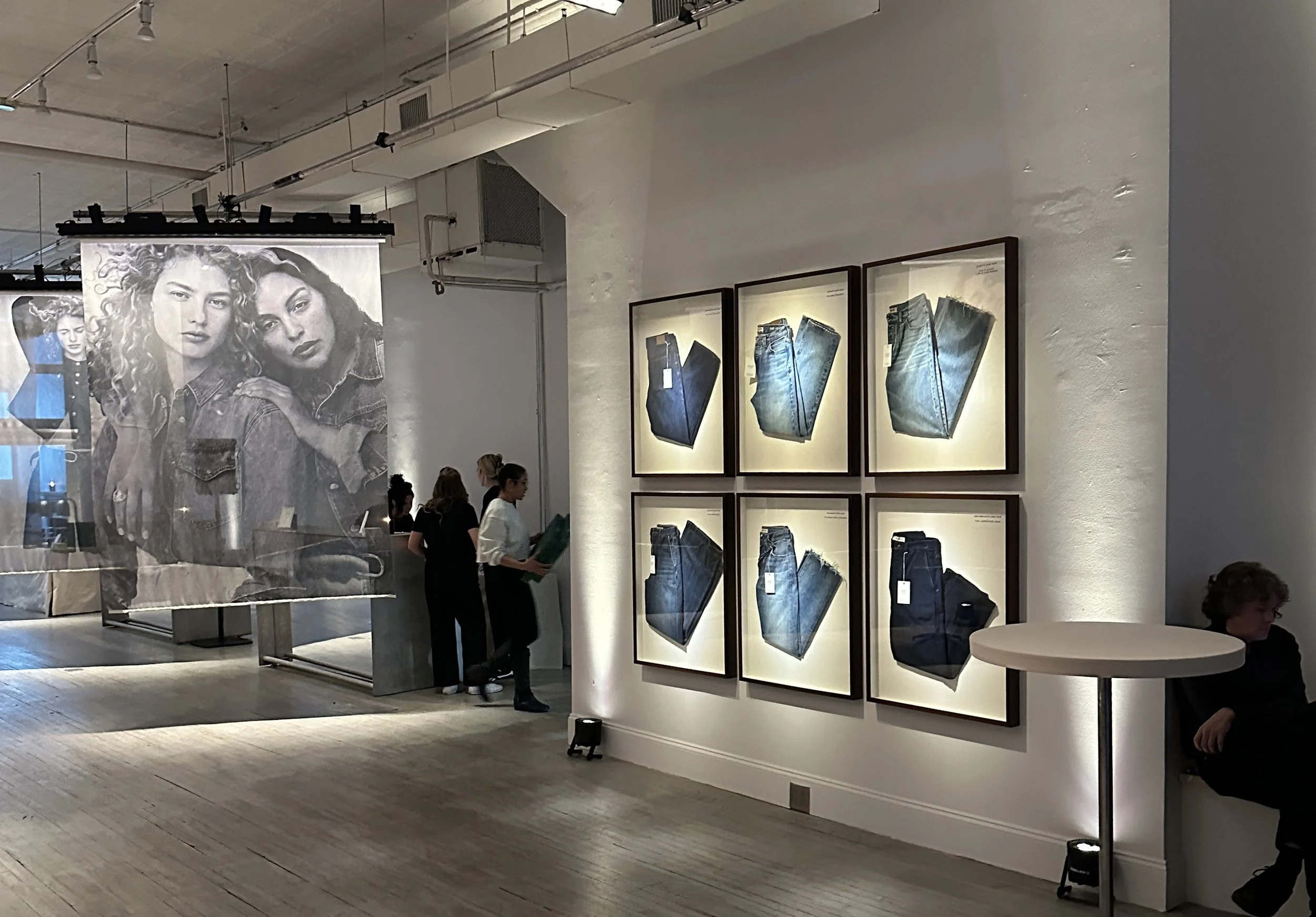
Matting and mounting methods are selected according to the artwork type, stability, and intended presentation. Options may include reversible hinging, float mounting, shadow mounting, and archival photo mounting.
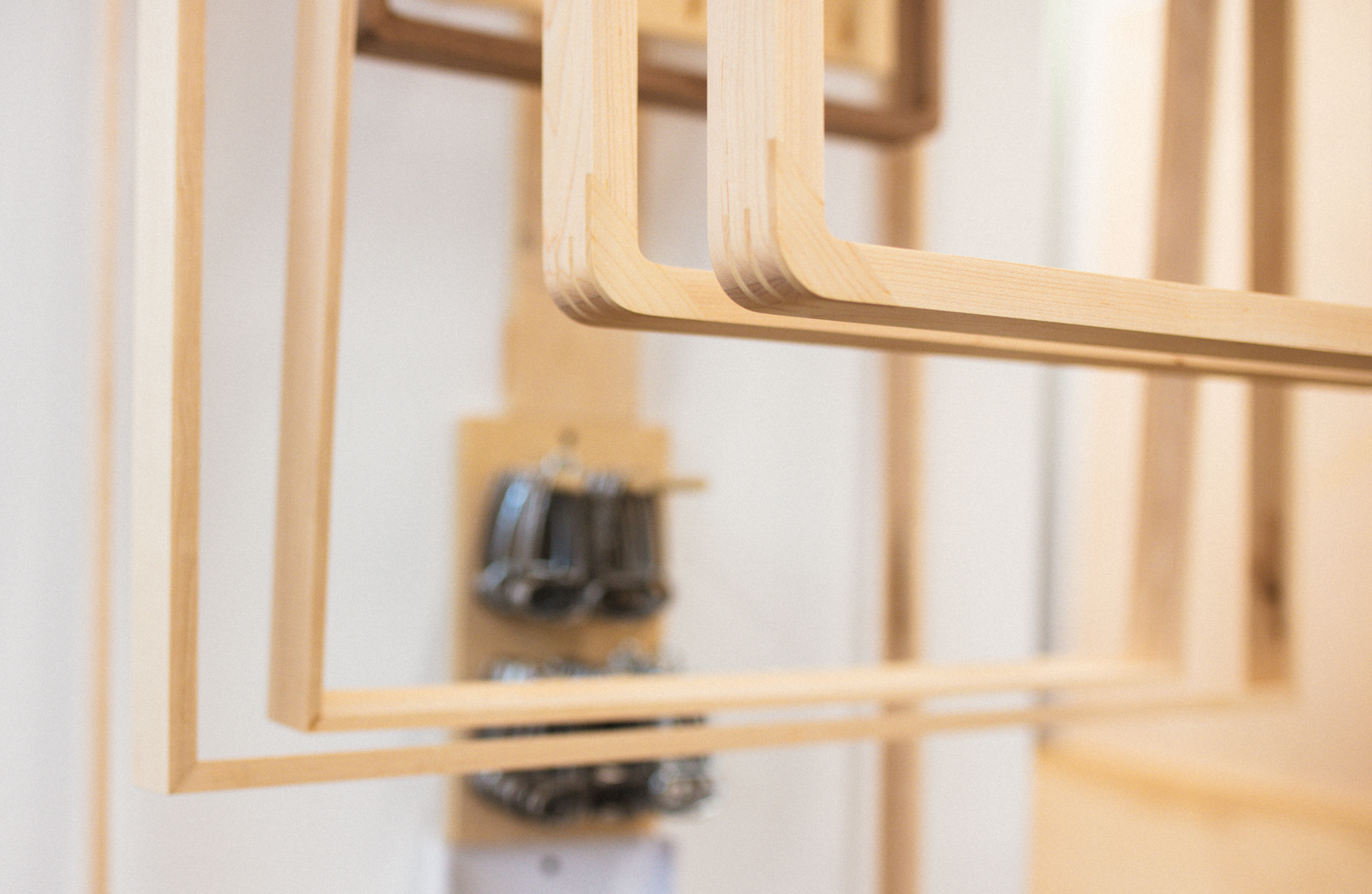
Custom canvas stretching is performed in-house using heavy-duty strainers or adjustable stretchers, ensuring proper tension, corner folds, and structural support before framing.

Museum Glass and UV acrylic are considered according to the artwork, scale, frame construction, and presentation requirements.
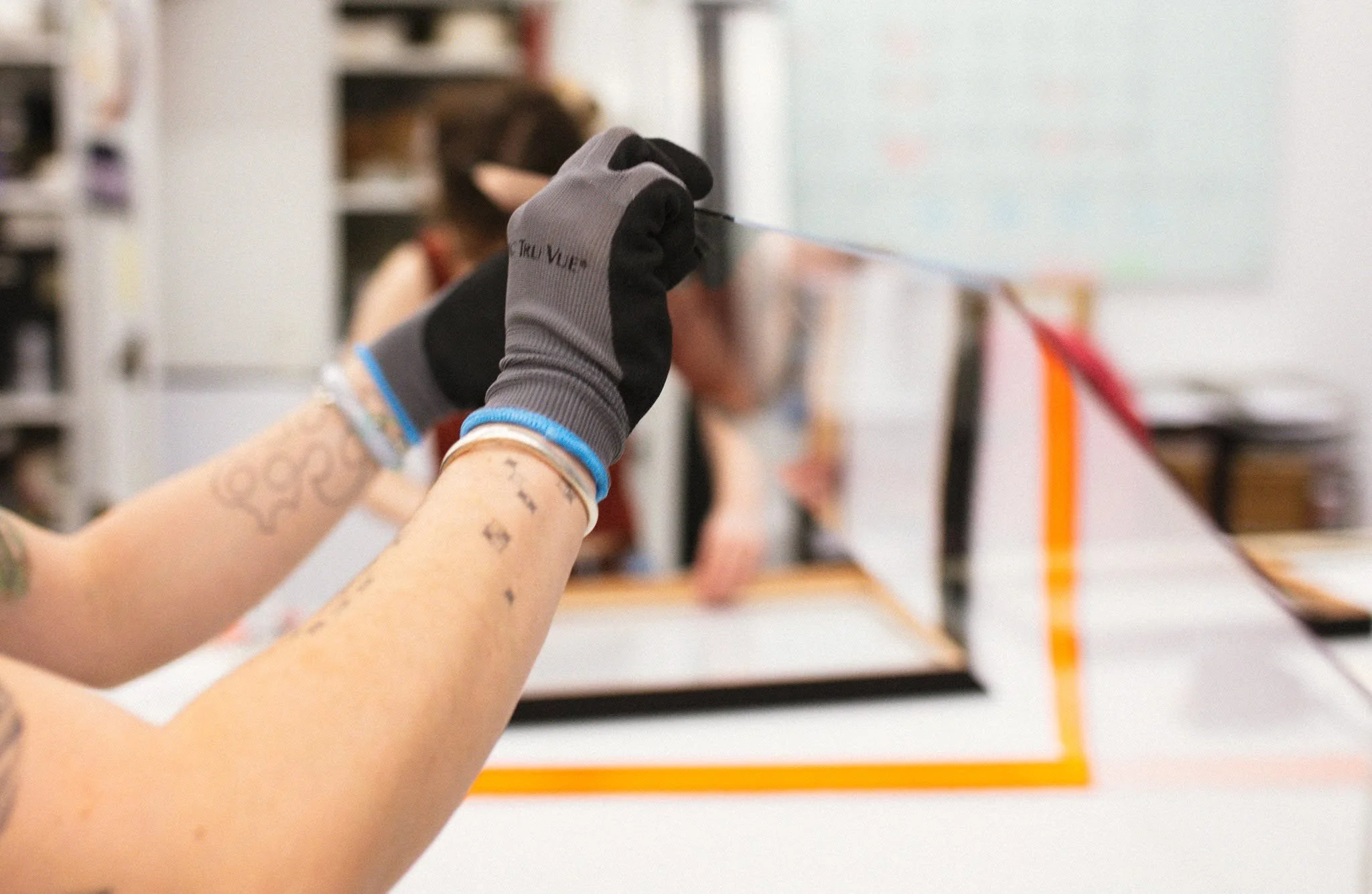
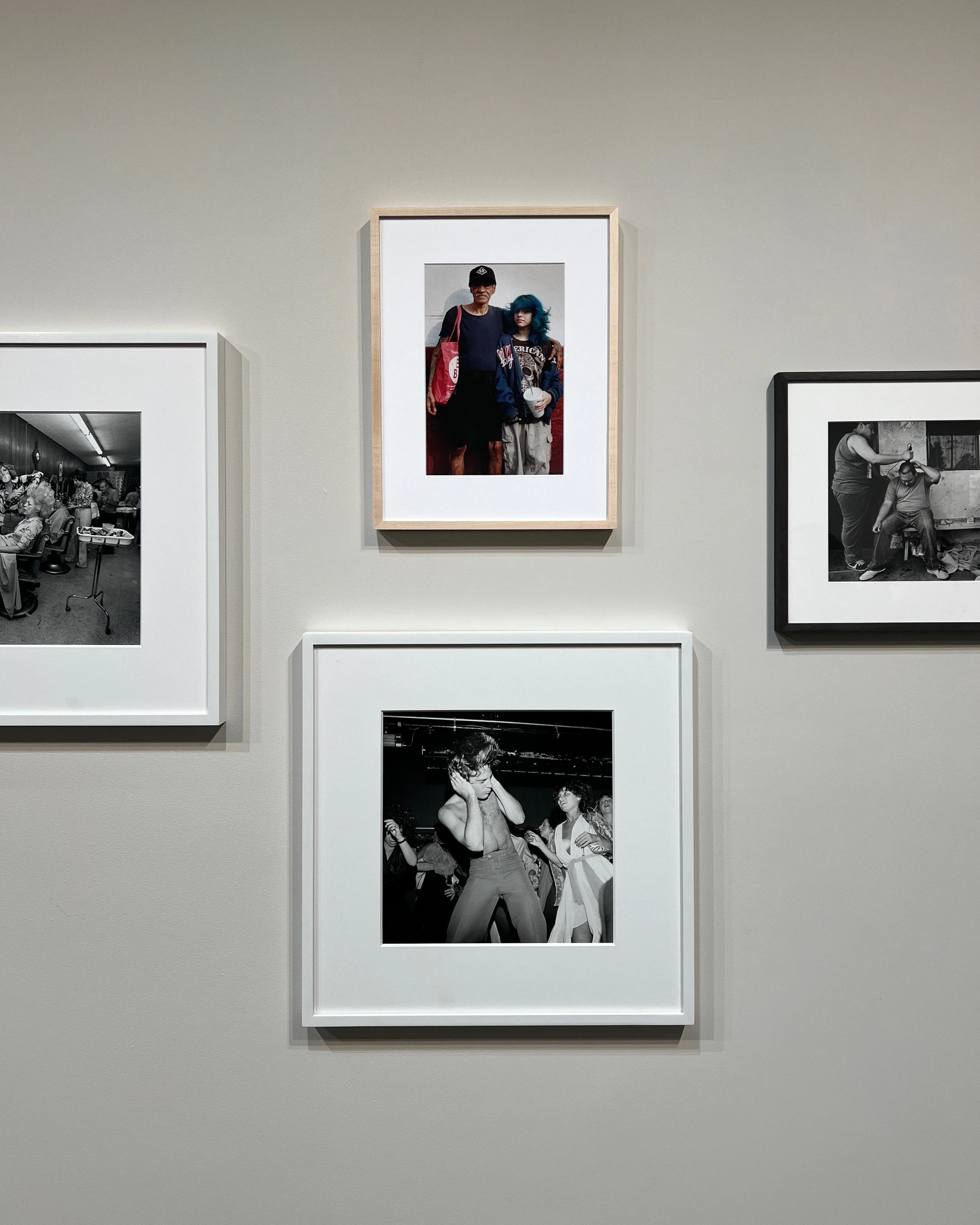
Custom wood frames are milled, joined, sanded and finished in-house. This provides greater control over the proportions, construction and final finish.
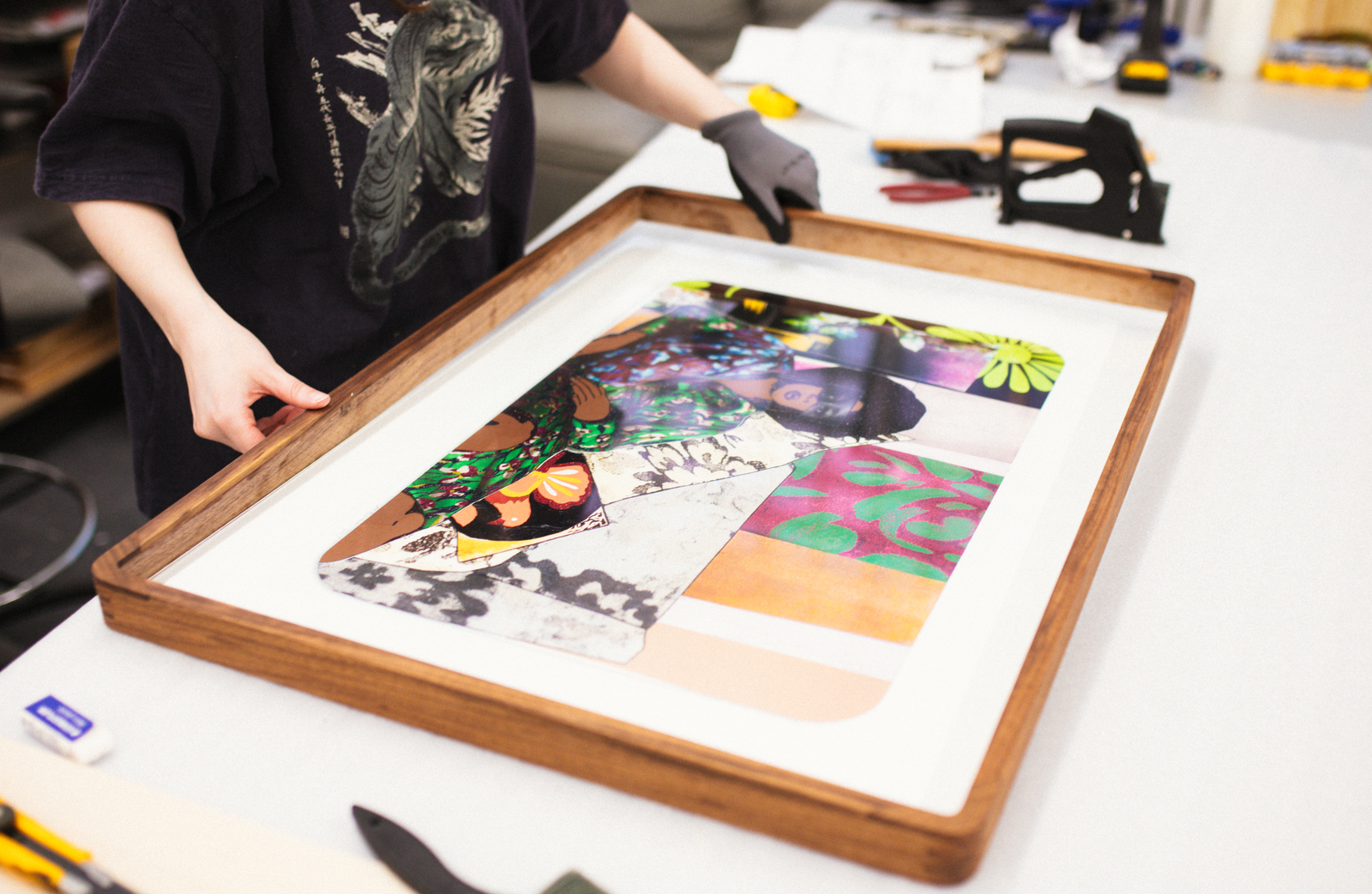
The frame, artwork, mounting, matting, spacers and glazing are assembled as one complete presentation in a dust-free environment.
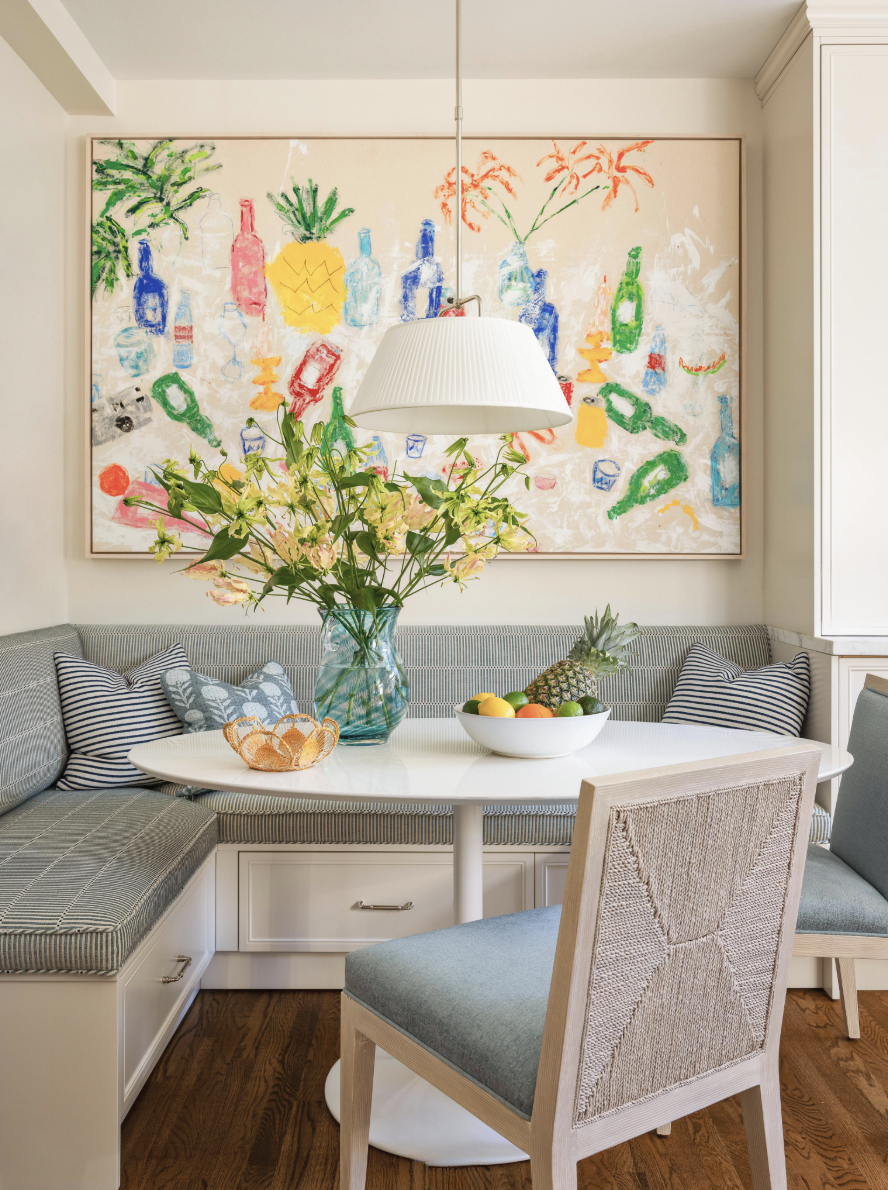
Conservation First Framing
At Woodman Frames, conservation framing is not an optional upgrade. It is the baseline for every project.
Every layer that touches the artwork is conservation-grade, and the framing methods are fully reversible. The framing system is designed to support and protect the artwork without permanently altering it.
Depending on the artwork, the framing package may include:
100% cotton rag matboards
Acid-free backing materials
Archival spacers
Museum Glass or UV acrylic
Reversible hinging methods
Float or shadow mounting
Controlled space between the artwork and glazing
The materials and methods are selected according to the specific requirements of the artwork rather than applied as a standard package.
The result is a framing system that balances long-term preservation with a carefully considered presentation.

Built In-House, Not Assembled Off the Shelf
Woodman Frames builds every custom frame entirely in-house, starting from raw, solid hardwoods.
Pre-cut or pre-joined commercial mouldings are never used. Raw timber is milled, shaped, joined, and hand-finished within the studio to ensure complete structural integrity and precise proportions tailored strictly to the artwork.
Solid hardwoods are milled with care and precision to create profiles that respond to the artwork’s scale, proportions, and presentation requirements.
Tiger maple
Mahogany
Sapele
Wenge
Rosewood
Available woods may include:
Maple
Ash
Cherry
Oak
White oak
Walnut
Each piece of wood is considered for its grain, tone, stability, and relationship to the artwork.

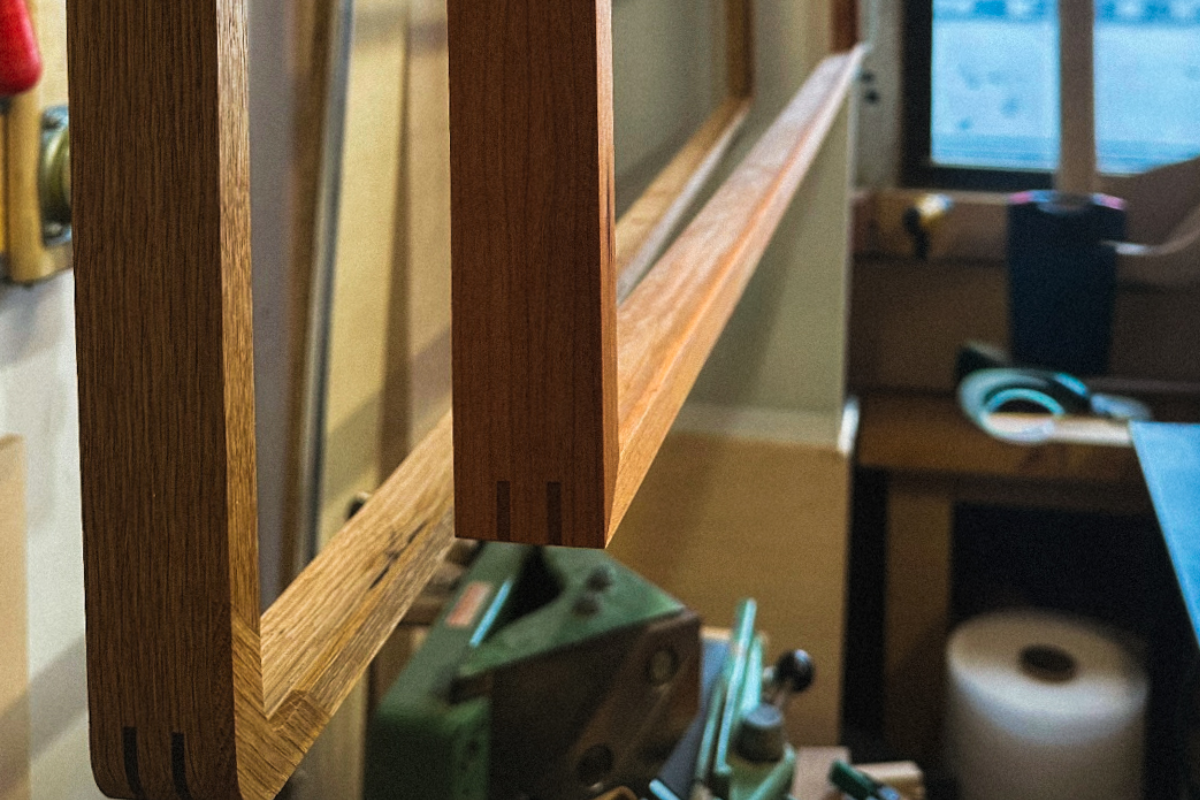
Custom frame profiles are constructed using precision spline joinery to ensure exceptional corner strength, stability, and seamless corner transitions. Each frame is then meticulously sanded and hand-finished in-house.
Finishing options may include:
Natural oils
Archival waxes
Lacquer
Painted finishes
Custom stains
Whitewash
Pigmented tones
Profiles can also include rounded, ripple, or sculpted forms, along with custom spacers or liners.
This process allows the frame to be developed around the artwork instead of forcing the artwork into an off-the-shelf solution.
Materials That Protect the Artwork
Profiles can also include rounded, ripple, or sculpted forms, along with custom spacers or liners.
This process allows the frame to be developed around the artwork instead of forcing the artwork into an off-the-shelf solution.
Every material is considered as part of the complete framing system rather than as an isolated decorative choice.
Solid domestic and selected specialty hardwoods are milled in-house. Precision fabricated aluminum may also be used for metal and mixed-material frames.
Cotton rag matboards and acid-free backing materials create stable support around and behind the artwork within a conservation-grade framing system.
Reversible hinging, archival spacers, and conservation-appropriate mounting materials are selected according to the artwork.
Museum Glass and UV acrylic provide protective glazing while maintaining clear artwork visibility, selected according to the artwork and framing needs.
Frames may be completed using oils, archival waxes, stains, lacquer, painted finishes or pigmented tones selected to complement the artwork and frame.
Frame Profiles Designed Around the Artwork
The frame profile affects the depth, visual weight, and overall balance of the presentation.
Rather than treating the frame as a separate object, Woodman Frames develops each profile in relation to the artwork.
Slim profiles create a restrained border that defines the artwork without introducing unnecessary visual weight. The profile can be developed around the artwork’s scale, proportions, and overall presentation.
Deeper profiles create greater physical and visual depth. They may also provide space for float mounting, shadow mounting, spacers or dimensional artwork. The additional depth can be considered alongside the artwork and the requirements of the finished frame.
Custom wood profiles can be milled in different widths, depths and shapes. The wood grain and finish are considered alongside the artwork’s color, scale and medium. Each profile is developed to complement the individual artwork.
Spacers and liners introduce controlled depth, separation, and visual structure within the finished frame. They can be developed to match the artwork and the depth required in the framing design.
Hardwood or aluminum floater frames are built to exact clearances around the canvas. The controlled space between the canvas and frame creates a clean separation while keeping the artwork visible.
Precision-fabricated aluminum frames may be produced in brushed, anodized, or powder-coated finishes. Mixed material designs can combine metal construction with wood reveals or spacers, allowing the materials and proportions to be developed around the artwork.
What We Frame
Woodman Frames is a specialized custom frame shop focused on fine art, photography, collections, and exhibition-level work.
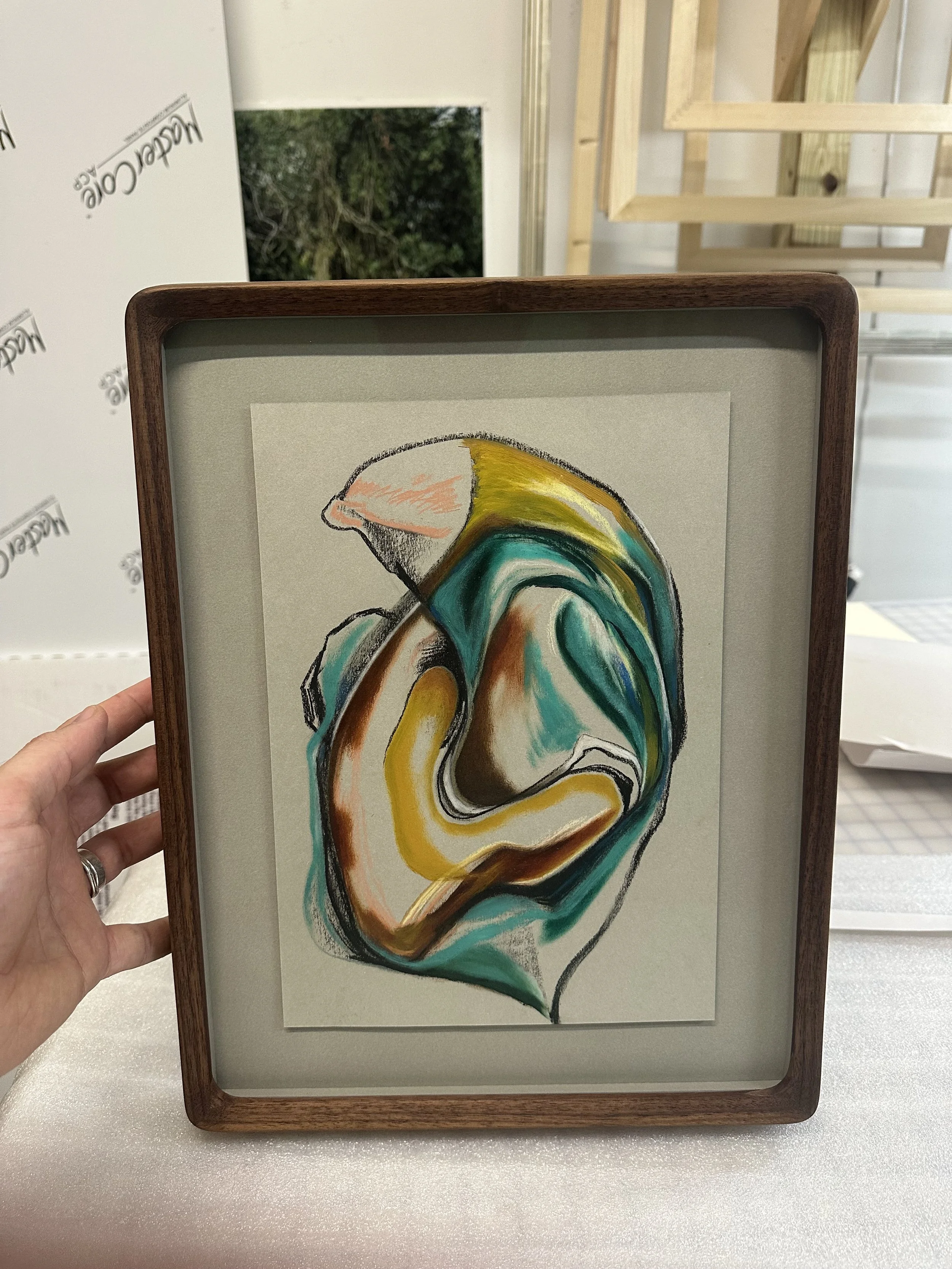
In-house canvas stretching, custom strainers, and canvas floaters developed for the scale, medium, and structure of the painting.
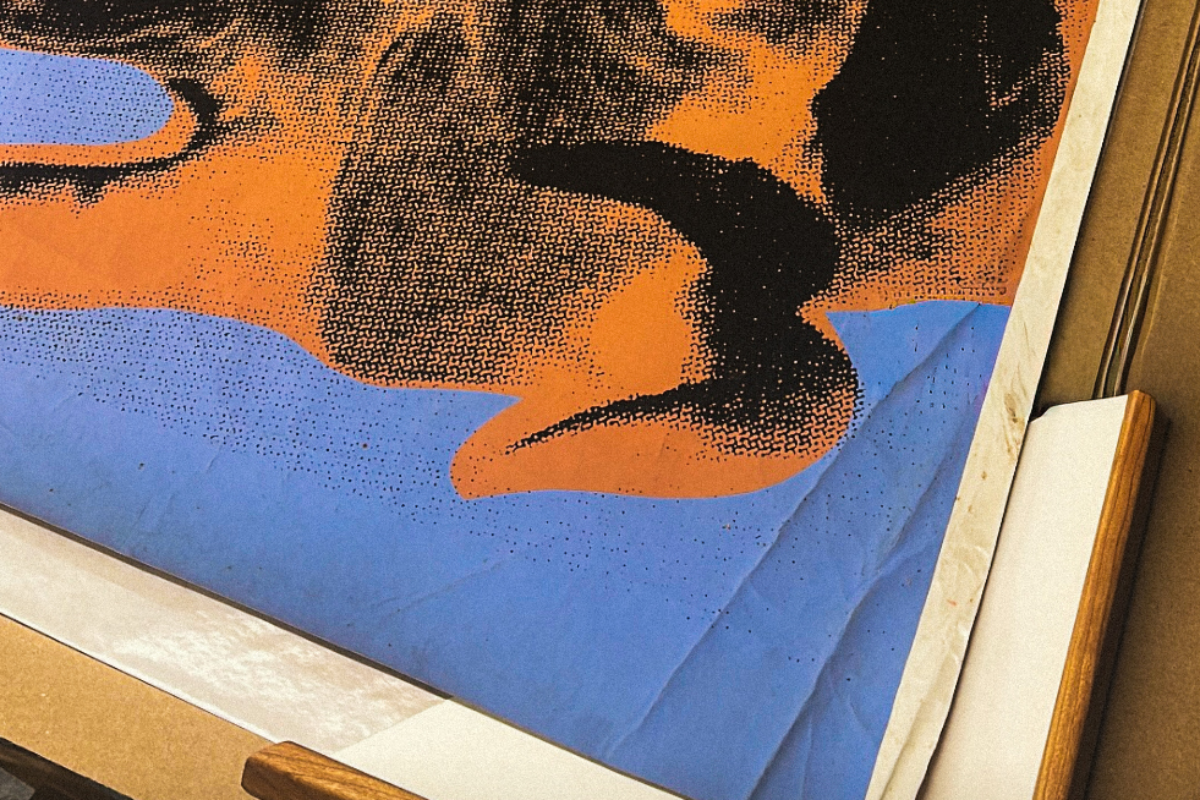
Custom support and framing solutions for textiles and other delicate materials requiring careful handling and controlled spacing.
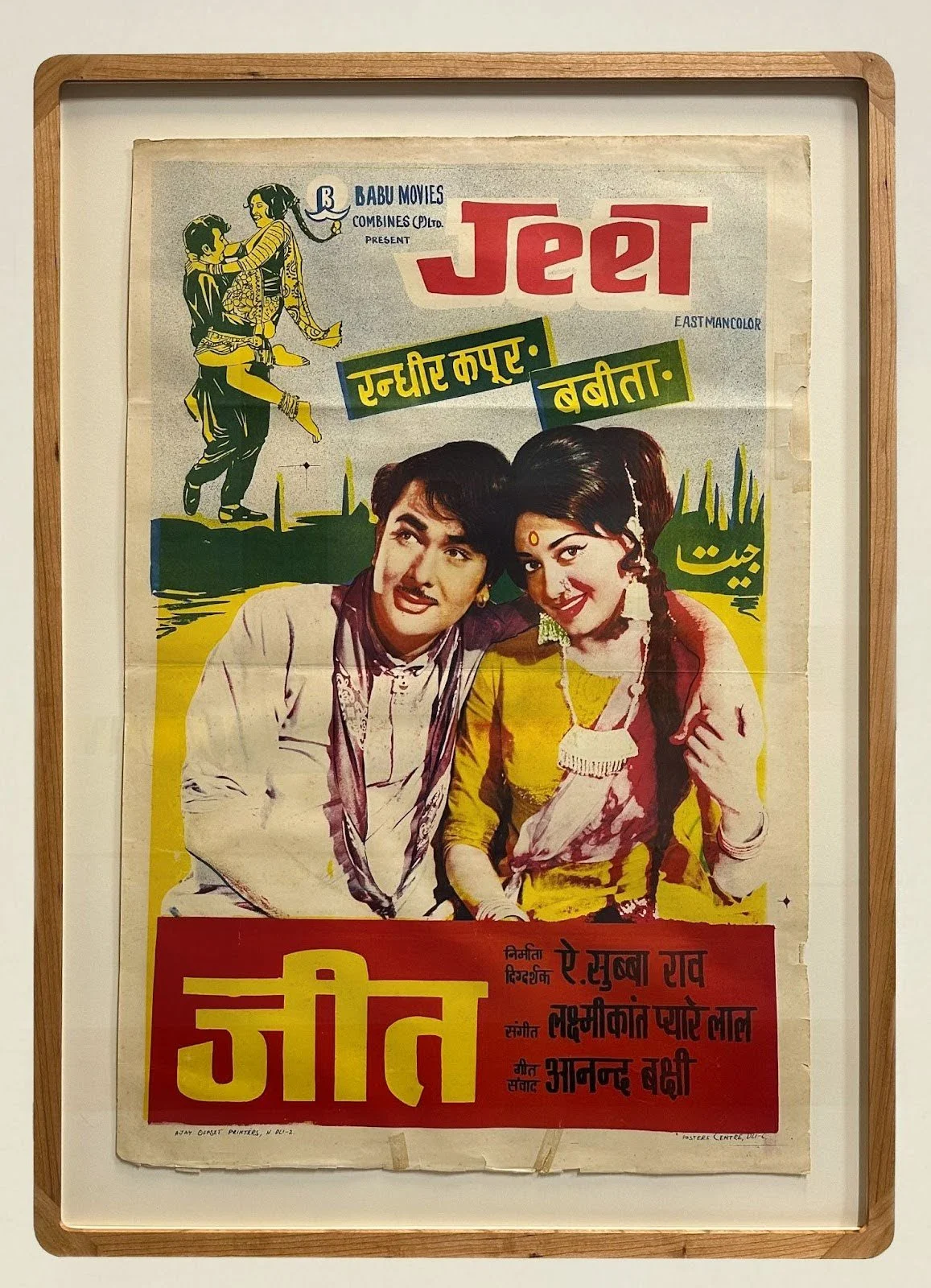
Conservation framing for drawings, prints, and other paper-based artworks using archival materials and fully reversible mounting methods.
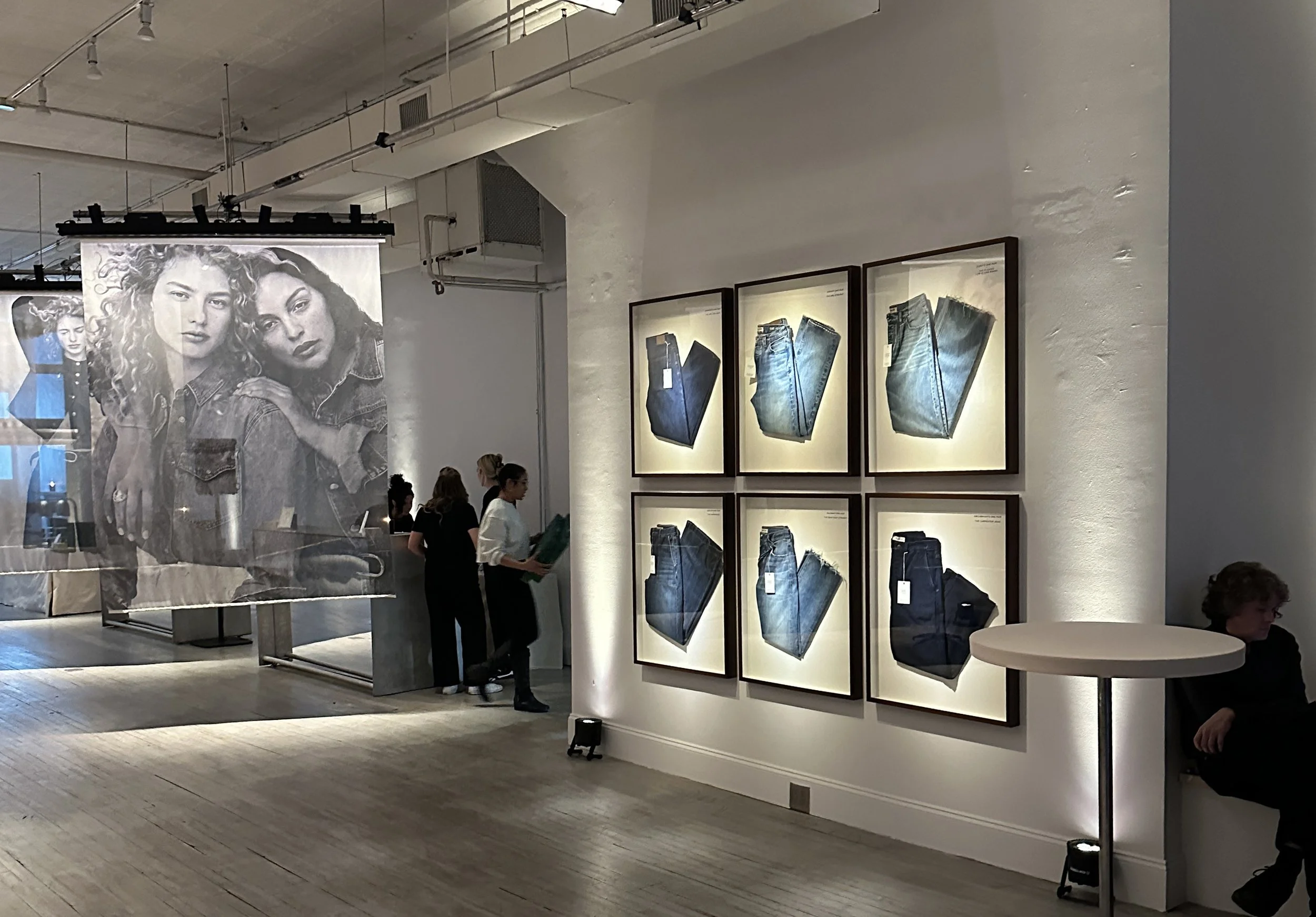
Framing systems developed around the materials, depth and structural requirements of mixed media work.

Archival mounting and framing for fine art photography, C prints, RC papers and contemporary photographic editions.
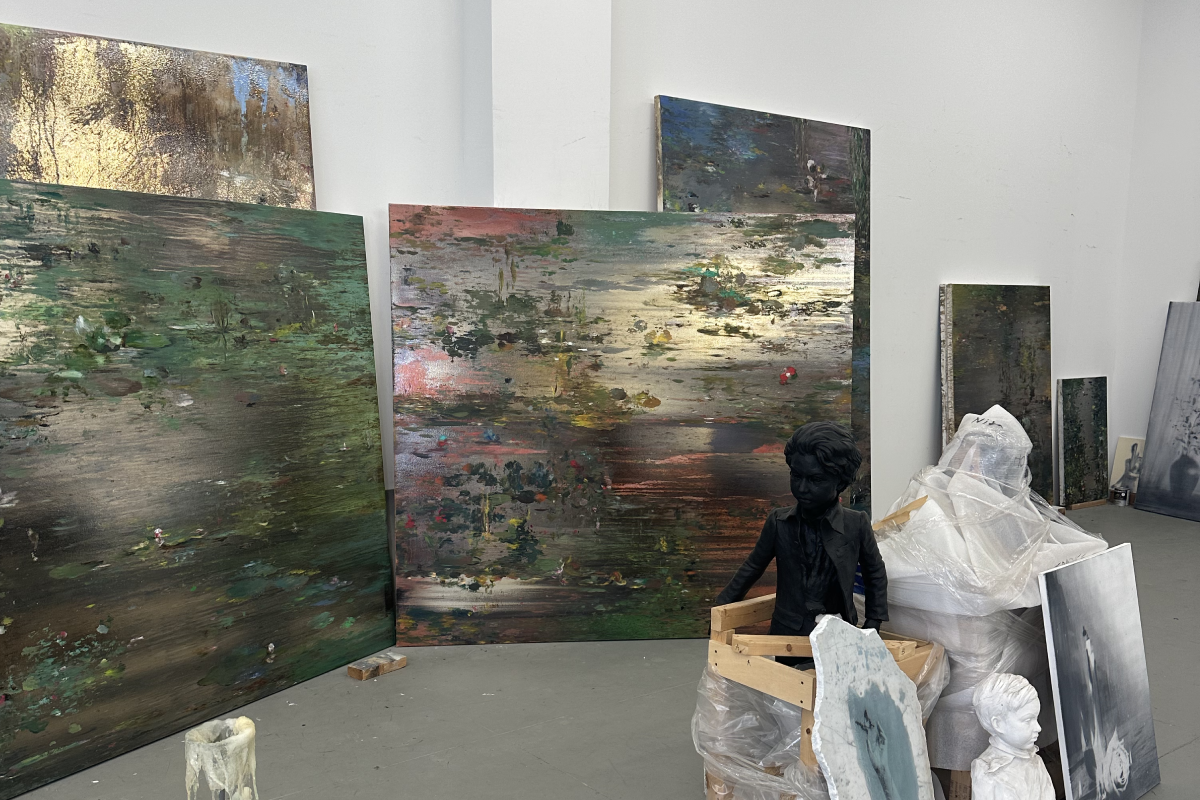
Custom strainers, reinforced backing systems and carefully planned fabrication for large-scale and exhibition-size artworks.

Considered framing for limited edition prints and photographs requiring precise mounting, matting, glazing and presentation.

Consistent frame profiles, materials and finishes for private, gallery, corporate and exhibition collections.
Who We Work With
Woodman Frames works with clients who require specialist framing, considered design, and conservation-level presentation.
Archival framing for individual acquisitions and wider collections, with each solution developed according to the artwork’s requirements.
Custom framing for artists preparing work for exhibitions, gallery presentation, collectors or permanent display.
Reliable framing support for exhibitions, recurring projects and collections requiring consistent specifications and finish quality.
A specialist framing partner for advisors coordinating acquisitions, installations and private collections.
Custom profiles and finishes developed to support both the artwork and the wider interior environment.
Framing and display solutions considered in relation to materials, scale and architectural context.
Professional framing for corporate artwork, collections, installations and recurring projects.
How Our Custom Framing Process Works
We review the artwork, presentation goals, scale, budget, and project timeline, considering its framing needs, preservation requirements, and final display.
Frame profiles, woods, finishes, mats, mounting methods, spacers, and glazing are selected according to the artwork and its preservation requirements.
The frame is milled, joined, sanded, and finished in-house to precise tolerances, with each stage developed around the artwork and selected materials.
The artwork is mounted using archival and fully reversible methods, then assembled in a dust-free environment with glazing selected according to the artwork.
The completed work is securely packaged. We can advise on safe handling and professional art handling coordination where needed for transport and display.
Glazing That Protects Without Distracting
Glazing creates a protective barrier in front of the artwork. The appropriate option must protect while allowing the work to remain clearly visible.
The glazing is chosen according to the artwork type, size, frame construction, mounting method, and intended presentation environment.
Mounting, Float Mounting and Photo Mounting
Pre-cut or pre-joined commercial mouldings are never used. Raw timber is milled, shaped, joined, and hand-finished within the studio to ensure complete structural integrity and precise proportions tailored strictly to the artwork.
Solid hardwoods are milled with care and precision to create profiles that respond to the artwork’s scale, proportions, and presentation requirements.
Museum Glass provides high clarity and reduced reflection, helping prevent glare from distracting from the artwork with UV protection for framed artworks.
UV acrylic provides a lightweight protective option that may be appropriate for larger works where the weight and breakability of glass must be considered.
Optium Museum Acrylic may be selected for projects requiring lightweight, anti-reflective and static-resistant glazing for selected conservation projects.
Framing Built for Collectors and Art Professionals
Woodman Frames serves collectors, artists, galleries, art advisors, interior designers, architects, and corporate collections.
Every project receives the same focus on conservation-level materials, fully reversible methods, precise fabrication, and thoughtful frame design.
Whether framing a single artwork, preparing an exhibition, or establishing consistent specifications across a collection, the objective remains the same: protect the artwork and present it with clarity.
For Designers, Advisors, Galleries & Trade Professionals
Woodman Frames provides structured support for professionals managing exhibitions, installations, collections, and recurring framing projects.
Support may include:
Standard framing specifications
Trade pricing
Coordinated project timelines
Consistent frame profiles and finishes
Recurring project support
Studio consultations
Safe packaging
Guidance on professional art handling where needed
The objective is to provide dependable framing support while maintaining consistent fabrication and finish quality across every project.
FAQs About Custom Framing
-
A custom framing service may include consultation, frame design, profile selection, material selection, fabrication, matting, mounting, glazing, and final assembly.
At Woodman Frames, these components are considered together as one complete framing system developed around the artwork.
-
Conservation framing uses stable, conservation-grade materials and fully reversible methods intended to protect the artwork without permanently altering it.
-
No. Conservation-level framing is the baseline for all work completed by Woodman Frames.
-
Materials may include solid hardwoods, precision-fabricated aluminum, cotton rag matboards, acid-free backing, archival spacers, reversible mounting materials, Museum Glass, and UV acrylic.
The final selection depends on the artwork and framing design.
-
Museum Glass provides high clarity and reduced reflection. UV acrylic is a lightweight protective alternative that may be appropriate for large-scale or specialist framing projects.
The most suitable option is selected according to the artwork, size, construction and presentation requirements.
-
The cost is influenced by the size of the artwork, frame material, profile, finish, mounting method, matting, glazing and fabrication requirements.
Budget is reviewed during the initial consultation so the framing design can be developed accordingly.
-
The timeline depends on the scale, selected materials, finish, mounting requirements, and complexity of the project.
The expected timeline is reviewed during the consultation before fabrication begins.
-
Yes. Woodman Frames uses fully reversible framing methods. The artwork can be removed without the mounting process becoming a permanent alteration to the piece.
-
The consultation reviews the artwork, presentation goals, scale, budget and timeline. Frame profiles, materials, finishes, mounting, matting, spacers, and glazing can then be considered according to the requirements of the work.
Book a Consultation